

Reflex Sympathetic Dystrophy: Symptoms, Causes and Treatment

Key Takeaways
- RSD is an older name for a condition now commonly called complex regional pain syndrome, or CRPS.
- It often develops after an injury, surgery, or immobilization, but sometimes the trigger is minor or not obvious.
- Symptoms may include burning pain, swelling, temperature changes, color changes, stiffness, and sensitivity to touch.
- Diagnosis is based mainly on symptoms, examination, and ruling out other causes of pain or swelling.
- Treatment usually combines pain management, physical or occupational therapy, and gentle movement-based rehabilitation.
- Early assessment and consistent follow-up can help preserve function and reduce long-term disability.
Medically reviewed by the Acıbadem clinical team — August 19, 2026
RSD, also called reflex sympathetic dystrophy, is an older term often used for a pain condition known today as complex regional pain syndrome. It can cause ongoing pain, swelling, and changes in skin or movement after an injury, and early evaluation can help protect function and improve day-to-day comfort.
Overview
RSD is a term many people still recognize, even though clinicians more often use the name complex regional pain syndrome, or CRPS. It describes a pain condition that can affect an arm, leg, hand, or foot, usually after an injury, fracture, surgery, stroke, or another event that irritates the nervous system.
What makes RSD different from ordinary healing pain is that the symptoms seem out of proportion to the original injury and may linger well after the tissue should have recovered. The area may feel painful, swollen, warm or cold, and unusually sensitive, and the person may gradually avoid using it because movement becomes uncomfortable.
For international patients, the most practical question is often not the name but the next step: how to confirm the diagnosis and start care that protects mobility. Because symptoms can overlap with infection, blood vessel problems, arthritis, or nerve injury, a careful assessment is important before treatment begins.
Symptoms

RSD symptoms can vary from one person to another and may change over time. Pain is usually the most noticeable feature, and many people describe it as burning, aching, throbbing, or deep and persistent. Even light touch, a breeze, or clothing can feel surprisingly uncomfortable.
Other common signs involve the skin, circulation, and movement. The affected limb may swell, become stiff, sweat more or less than usual, or look red, blotchy, pale, or blue. Some people notice that the skin feels warmer at one point and colder at another, or that hair and nail growth changes over time.
- Persistent pain after an injury or surgery
- Sensitivity to touch or temperature
- Swelling in the affected area
- Stiffness, weakness, or reduced range of motion
- Skin color or temperature changes
- Shiny, thin, or texture-changed skin
Because symptoms can be subtle at first, they are sometimes dismissed as part of normal recovery. If the pain pattern becomes more intense, spreads, or begins interfering with sleeping, walking, using the hand, or returning to work, it deserves medical attention.
Causes & Risk Factors

RSD is thought to involve an abnormal response in the nervous system, inflammation, and changes in blood flow and pain signaling. In some people, the body’s recovery system appears to stay switched on after the initial injury has already healed, leading to pain and sensitivity that continue without a clear structural cause.
Common triggers include fractures, sprains, soft-tissue injuries, surgery, prolonged immobilization in a cast, and, less often, nerve injury. It can also occur after events such as a stroke or heart attack, though those situations are less common. Not everyone with an injury develops RSD, and many people recover normally.
Certain factors may increase the chance of developing it or make it more noticeable. These include a recent injury to an arm or leg, delayed movement after injury, more severe pain early in healing, and a personal history of pain sensitivity. RSD can affect adults and children, and it may be more common in women, although it can occur in anyone.
Diagnosis
There is no single test that confirms RSD. Diagnosis usually depends on a doctor’s review of the symptom pattern, a physical examination, and the exclusion of other explanations for pain, swelling, or weakness. This is one reason a detailed history matters, especially for people traveling for care and trying to understand whether they need imaging, laboratory tests, or a specialist opinion.
During the examination, a clinician may check skin temperature, swelling, color changes, tenderness, movement, strength, and how the limb responds to touch. They may also ask when the symptoms started, whether they followed an injury, and whether the pain has spread or changed over time.
Tests are sometimes used to rule out problems such as fracture complications, infection, arthritis, blood clots, or nerve compression. Depending on the situation, a doctor may suggest imaging studies, nerve testing, or blood tests, but these are generally used to support the evaluation rather than confirm RSD on their own.
Treatment Options
Treatment works best when it addresses pain and function together. The overall goal is not only to calm symptoms but also to keep the limb moving, prevent stiffness, and help the person return to daily activities as safely as possible. For many patients, a rehabilitation-based approach is central from the start.
Physical therapy and occupational therapy often play a major role. Gentle, guided movement can help reduce guarding and maintain joint flexibility, while hand therapy or functional retraining may improve the ability to dress, write, walk, or use the arm or hand again. Therapists may also use desensitization techniques to help the nervous system tolerate touch and movement more comfortably.
Medications may be considered to ease pain and support participation in therapy. A doctor may discuss pain-relieving medicines, nerve-targeted treatments, or medicines used for inflammation or mood-related symptoms when appropriate. In some cases, specialists may consider injections, nerve blocks, or other pain-management procedures as part of a broader plan.
Treatment is usually individualized because RSD does not respond in exactly the same way for everyone. A multidisciplinary team may include rehabilitation specialists, pain physicians, neurologists, orthopedists, occupational therapists, and psychologists, especially when pain has affected sleep, mobility, or confidence in movement for a long period.
Prevention & Self-care
Not every case of RSD can be prevented, but early movement and careful follow-up after an injury can support better recovery. When a doctor says it is safe, gradual use of the affected area is often preferable to long periods of complete rest. This is especially important after fractures or surgery, when people may be tempted to protect the limb too much.
At home, people often benefit from a calm, structured routine rather than pushing through severe pain. Short, regular exercises recommended by a therapist, elevation if swelling is present, and attention to sleep and stress can all support rehabilitation. Keeping the area neither too hot nor too cold may also help if temperature sensitivity is part of the condition.
- Follow the prescribed rehabilitation plan consistently
- Use gentle movement instead of complete avoidance when cleared by a doctor
- Protect the skin if touch sensitivity is severe
- Track changes in pain, swelling, and function
- Seek advice early if symptoms seem to be worsening
For people recovering in another country, clear written instructions can be especially helpful. It is wise to ask for a therapy plan, medication summary, and follow-up schedule before travel so continuity of care remains smooth after returning home.
When to See a Doctor
Medical review is advisable when pain is persistent, disproportionate to the original injury, or accompanied by swelling, color change, stiffness, or difficulty using the limb. Early evaluation is especially important if the symptoms are making it hard to walk, grasp objects, return to work, or sleep normally.
It is also sensible to seek care if symptoms begin after a fracture, surgery, cast removal, or another recent procedure and do not improve as expected. Because several other conditions can mimic RSD, a timely assessment helps make sure nothing more urgent is being missed.
Patients who travel for diagnosis or treatment often appreciate a coordinated plan that includes both the medical workup and the rehabilitation strategy. At Acibadem Health Point, multidisciplinary specialists and JCI-accredited hospitals support international patients with diagnosis, treatment, and follow-up planning for conditions such as RSD.
Living With RSD
Living with RSD can be frustrating because the condition may affect more than pain alone. It can change how a person moves, sleeps, works, and participates in family life, which is why support that includes physical recovery and emotional reassurance matters.
Progress is often gradual rather than immediate. Many people do best when they focus on small, measurable goals such as tolerating more touch, improving range of motion, or using the affected hand for brief tasks again. These gains can be important signs that treatment is helping, even if discomfort has not disappeared completely.
Staying engaged with follow-up care is important because treatment plans sometimes need adjustment. If symptoms change, flare, or spread, the doctor may refine therapy, review medications, or investigate whether another condition is contributing to the problem.
Frequently asked questions
Is RSD the same as CRPS?
RSD is an older term that is now usually grouped under complex regional pain syndrome, or CRPS. Many people still use the older name, especially when describing symptoms after an injury or surgery. A doctor may use either term depending on the context.
What usually triggers RSD?
RSD often starts after an injury, fracture, surgery, or a period of immobilization such as casting. In some cases, the trigger is minor or not obvious. The condition reflects an abnormal pain and healing response rather than a simple muscle strain.
Can RSD go away on its own?
Some people improve over time, but many do better with early assessment and active treatment. Rehabilitation, pain control, and regular movement can help reduce stiffness and preserve function. Waiting too long can make recovery more difficult.
How is RSD diagnosed?
There is no single definitive test for RSD. Doctors usually diagnose it by examining the symptom pattern, checking the affected limb, and ruling out other causes such as infection, clotting problems, nerve compression, or joint disease.
What kind of specialist treats RSD?
RSD is often managed by a team that may include rehabilitation physicians, pain specialists, neurologists, orthopedists, and therapists. The exact team depends on the symptoms and how the condition is affecting movement and daily life.
Is exercise safe with RSD?
Gentle, guided movement is often an important part of treatment, but it should be matched to the person’s stage of recovery and pain level. A therapist or doctor can recommend the safest way to move without overdoing it. Sudden intense exercise is usually not the goal.
References
- National Institute of Neurological Disorders and Stroke
- Mayo Clinic
- Cleveland Clinic
- American Academy of Orthopaedic Surgeons
- NHS
This article is for general information only and is not a substitute for professional medical advice. Please consult a qualified doctor about your individual situation.
Joint and spine care in Turkey — expert assessment & treatment
JCI-accredited · board-certified surgeons · reply within 24h
Add us as a Preferred Source to see more of our trusted health content across Google Search, AI Overviews and Discover.
More from the Health Library



Related Specialists
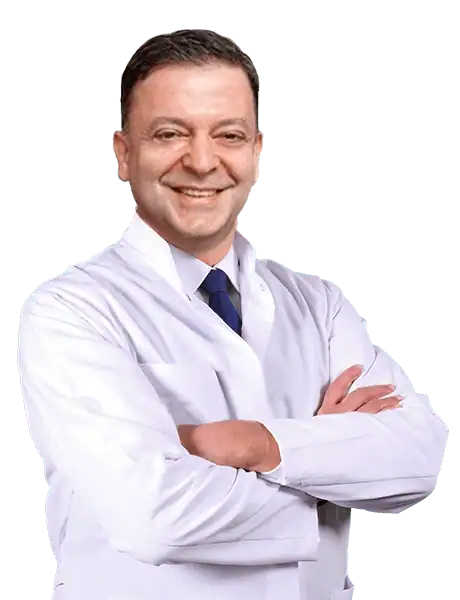
Prof. Dr. Ahmet Alanay
Orthopedic Surgery & Traumatology
Dr. Sinan Aksu
Orthopedic Surgery & Traumatology
Dr. Sirri Baştürk
Orthopedic Surgery & Traumatology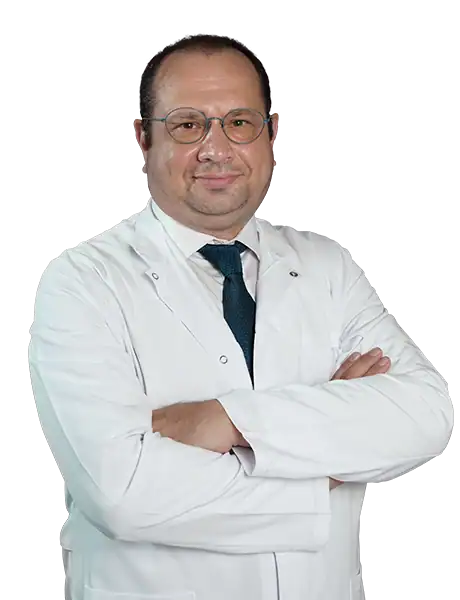
Prof. Dr. Korhan Özkan
Orthopedic Surgery & Traumatology