Rectum

Key Takeaways
- The rectum stores stool temporarily and helps control bowel movements.
- Rectal symptoms can come from many causes, including hemorrhoids, inflammation, infection, or growths.
- Rectal bleeding or persistent pain should be evaluated rather than assumed to be minor.
- Diagnosis may involve an exam, stool tests, endoscopy, or imaging depending on symptoms.
- Treatment depends on the cause and may include medicines, lifestyle changes, or procedures.
The rectum is the final part of the large intestine, and it plays an important role in storing stool before bowel movements. Problems affecting this area can cause bleeding, pain, changes in bowel habits, or a feeling that the bowel is not fully empty.
Overview
The rectum is the short final section of the large intestine, connecting the colon to the anal canal. Its job is more practical than most people realize: it acts as a temporary holding area for stool and helps the body recognize when a bowel movement is needed.
Because the rectum sits at the end of the digestive tract, symptoms from this area are often noticeable. A person may see blood on toilet paper, feel pressure, notice mucus, or struggle with an urge to pass stool even when the rectum is already empty. These symptoms can be uncomfortable, but they do not always point to a serious disease.
For international patients considering care abroad, rectal symptoms can be especially disruptive because they may already be managing symptoms far from home. Clear evaluation matters, since many rectal conditions are treatable once the cause is identified.
Symptoms
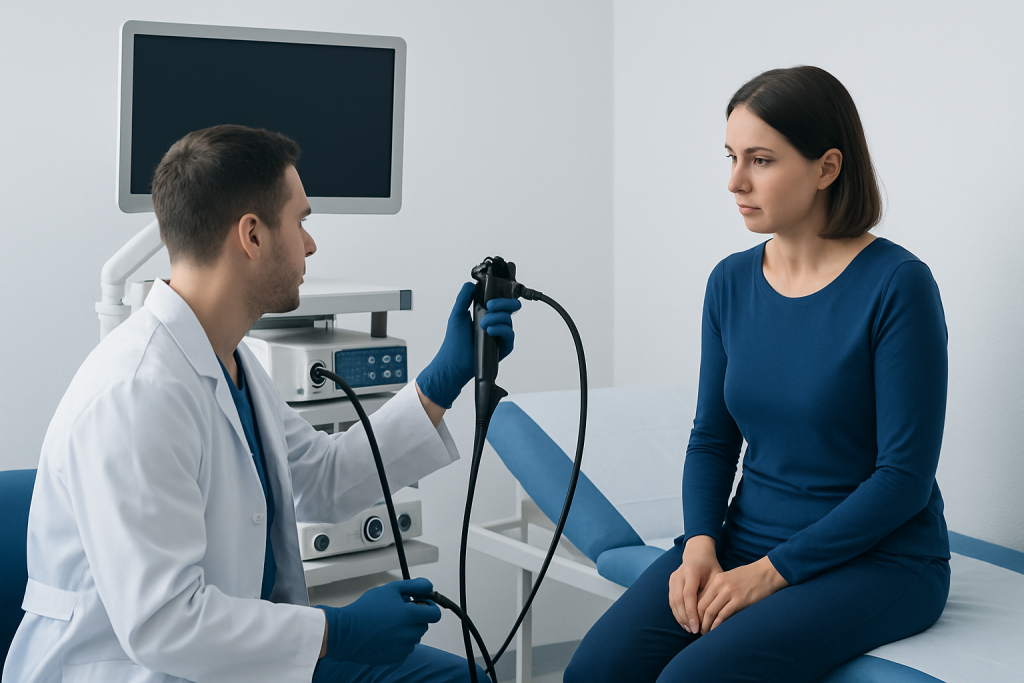
Rectal problems do not always feel the same. Some create sharp or burning pain, while others cause only subtle changes in bowel habits. One person may notice bleeding after a bowel movement; another may describe a constant sense of fullness or a frequent need to use the toilet.
Common rectal symptoms include:
- Rectal bleeding, such as bright red blood on tissue or in the toilet bowl
- Pain, burning, or discomfort during or after bowel movements
- A feeling of incomplete emptying
- Rectal pressure or urgency
- Mucus discharge
- Changes in stool caliber, frequency, or consistency
Some symptoms are linked to irritation or inflammation, while others may suggest a structural issue such as a fissure, hemorrhoids, prolapse, polyp, or tumor. The pattern of symptoms helps doctors decide which tests are most useful.
Causes & Risk Factors
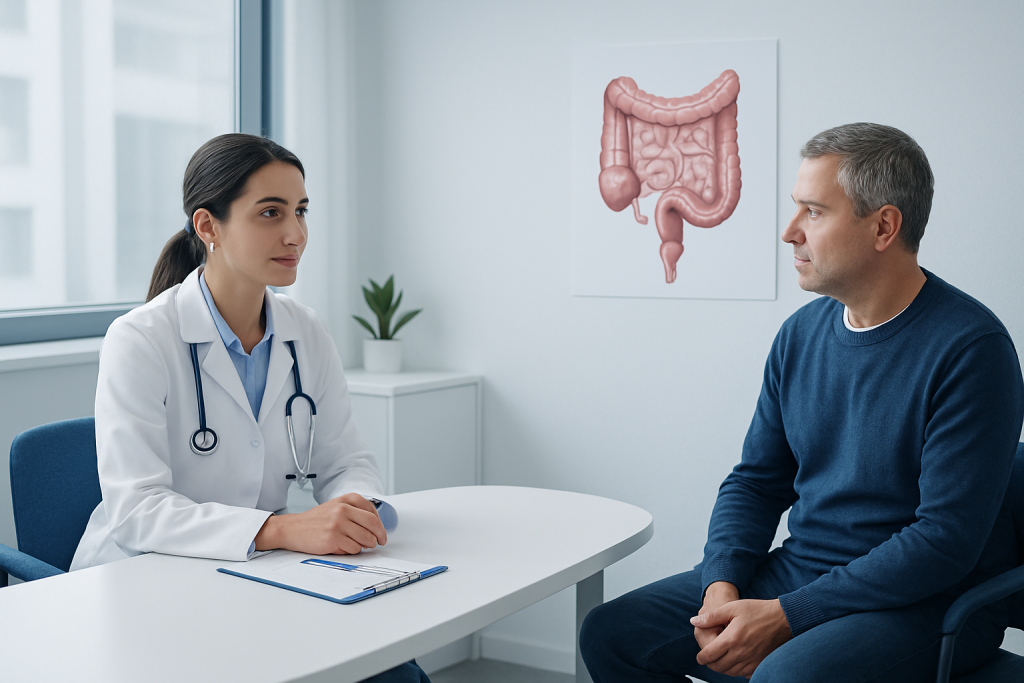
Many different conditions can affect the rectum, and the cause is not always obvious from symptoms alone. Common causes include hemorrhoids, anal fissures, proctitis (inflammation of the rectal lining), infections, inflammatory bowel disease, constipation-related strain, and rectal prolapse.
Less commonly, rectal symptoms may be related to polyps or rectal cancer. That is one reason ongoing bleeding, unexplained bowel changes, or new pain should not be ignored, even if the symptoms seem mild at first.
Risk factors depend on the condition. Constipation, chronic straining, dehydration, low-fiber eating patterns, inflammatory bowel disease, certain sexually transmitted infections, prior pelvic surgery, and older age may increase the likelihood of rectal complaints. A history of colorectal polyps or cancer also deserves careful follow-up.
Travel and schedule changes can make bowel symptoms worse. Long flights, altered diets, reduced fluid intake, and delayed bathroom access may aggravate constipation and hemorrhoids, which can complicate recovery while away from home.
Diagnosis
Diagnosis begins with a conversation about symptoms, bowel habits, medical history, and any recent changes. Doctors also ask about pain, bleeding, mucus, fever, weight loss, and family history because these details help separate a simple irritation from a more serious cause.
A physical examination may include inspection of the anal area and a digital rectal exam. Depending on the symptoms, the doctor may recommend stool tests, blood tests, anoscopy, flexible sigmoidoscopy, or colonoscopy to look directly at the rectum and nearby bowel.
When deeper structural concerns are suspected, imaging studies such as CT or MRI may be used. The exact workup depends on the person’s age, symptom pattern, and risk profile, and the goal is always to identify the cause while avoiding unnecessary testing.
Treatment Options
Treatment is guided by the diagnosis rather than by the symptom alone. A rectal fissure may improve with stool-softening measures and local treatments, while hemorrhoids may respond to dietary changes, topical therapy, or office procedures. Inflammatory conditions may require prescription anti-inflammatory or immune-directed medicines.
Infections are treated according to the organism involved, and constipation often improves with more fluid, fiber, and bowel-habit adjustments. If a polyp or growth is found, endoscopic removal or surgery may be recommended depending on size, appearance, and pathology results.
For more advanced conditions, treatment may involve colorectal surgeons, gastroenterologists, oncologists, or pelvic floor specialists. When patients travel for care, coordinated follow-up is particularly important so recovery instructions, pathology review, and medication plans remain clear after returning home.
Prevention & Self-care
Not every rectal condition can be prevented, but some everyday habits can reduce irritation and support bowel comfort. Regular hydration, a fiber-rich diet, and avoiding prolonged straining on the toilet can help lower the risk of constipation-related problems.
Helpful self-care steps often include:
- Responding to the urge to pass stool instead of delaying it
- Avoiding heavy straining during bowel movements
- Using gentle hygiene and avoiding harsh wiping
- Staying active as tolerated
- Following bowel-friendly dietary habits during travel
If symptoms are already present, self-care should be gentle rather than aggressive. Over-the-counter products can sometimes help, but persistent bleeding, severe pain, or repeated bowel changes should be assessed by a qualified clinician rather than treated only at home.
When to See a Doctor
Medical evaluation is advisable if rectal bleeding is new, recurrent, or accompanied by pain, dizziness, weakness, or changes in bowel habits. A doctor should also be consulted if there is unexplained weight loss, fever, a family history of colorectal cancer, or symptoms that do not improve after a short period of simple measures.
Urgent assessment may be needed for heavy bleeding, severe pain, inability to pass stool or gas, or signs of infection such as fever and swelling. Even when symptoms are not severe, a timely check can prevent delay in diagnosing conditions that are easier to treat early.
For people seeking care from another country, it helps to bring prior test results, medication lists, and any pathology reports. Acibadem Health Point’s multidisciplinary specialists and JCI-accredited hospitals diagnose and treat rectal and colorectal conditions for international patients, with attention to coordinated evaluation and follow-up.
Living With Rectal Symptoms
Rectal symptoms can affect confidence, travel plans, work routines, and even eating habits. Many people hesitate to mention them, yet these complaints are common in clinical practice and are often manageable once the underlying cause is identified.
Keeping a simple symptom record can be useful: note when bleeding occurs, whether pain is linked to bowel movements, and whether constipation, diarrhea, or certain foods seem to trigger symptoms. This information can make consultations more efficient, especially when care is being arranged from abroad.
Recovery is usually easier when follow-up is planned in advance. Clear instructions about medications, diet, warning signs, and the timing of repeat exams help patients feel more in control and reduce uncertainty after treatment.
Frequently asked questions
Is rectal bleeding always serious?
Not always. Common causes include hemorrhoids or a small anal fissure, but any new or recurring bleeding should still be evaluated. A doctor can help confirm the cause and decide whether tests are needed.
What is the difference between rectal pain and anal pain?
The two can feel similar because the areas are close together and conditions may overlap. Rectal pain often feels deeper or more internal, while anal pain is usually felt at the opening of the bowel. A clinical exam helps distinguish them.
Can constipation cause rectal problems?
Yes. Constipation and straining can contribute to hemorrhoids, fissures, rectal discomfort, and a feeling of incomplete emptying. Improving hydration, fiber intake, and bowel habits often helps, but ongoing symptoms should be checked.
How do doctors examine the rectum?
They may start with questions about symptoms and a physical exam, including inspection and a digital rectal exam. Depending on the concern, tests such as stool studies, sigmoidoscopy, colonoscopy, or imaging may be recommended.
When should rectal symptoms be checked urgently?
Urgent care is appropriate for heavy bleeding, severe pain, fever, or trouble passing stool or gas. These symptoms do not always mean something dangerous, but they should be assessed promptly.
Can diet alone fix rectal symptoms?
Diet can improve some symptoms, especially those linked to constipation or irritation. However, diet cannot treat every cause, and persistent bleeding or pain should not be managed with self-care alone.
References
- World Health Organization
- National Institute of Diabetes and Digestive and Kidney Diseases
- American College of Gastroenterology
- NHS
- Mayo Clinic
This article is for general information only and is not a substitute for professional medical advice. Please consult a qualified doctor about your individual situation.