Rectal Prolapse: Symptoms, Causes and Treatment

Key Takeaways
- Rectal prolapse happens when the rectum loses support and slides out of its usual position.
- Symptoms may include a visible bulge, mucus leakage, bleeding, or a feeling of incomplete bowel emptying.
- Chronic straining, constipation, weakened pelvic floor support, and certain health conditions can raise risk.
- Diagnosis usually relies on a careful history, physical examination, and sometimes imaging or bowel tests.
- Treatment ranges from bowel habit changes to surgical repair, depending on severity and overall health.
Medically reviewed by the Acıbadem clinical team — August 19, 2026
Rectal prolapse is a condition in which the rectum slips from its normal position and may protrude through the anus. It can be uncomfortable and disruptive, but it is treatable, and the right evaluation helps guide the safest and most effective option.
Overview
Rectal prolapse is a structural problem, not just a bowel habit issue. It occurs when the rectum, the final section of the large intestine, slips downward and may extend through the anus. For some people, the prolapse appears only with bowel movements; for others, it can become more persistent and easier to notice during everyday activities.
The condition can be distressing because it affects comfort, continence, and confidence in daily life. Yet it is important to know that rectal prolapse is a recognized medical condition with established treatment pathways. A careful evaluation can clarify whether symptoms are due to full-thickness prolapse, a related pelvic floor problem, or another bowel condition that needs a different approach.
In international-patient care, this is often one of those problems that people have carried for a long time before seeking help. Many travel only after repeated episodes, worsening leakage, or discomfort with sitting and bowel movements make the condition difficult to ignore. That is why a clear diagnosis and a practical plan matter so much.
Symptoms
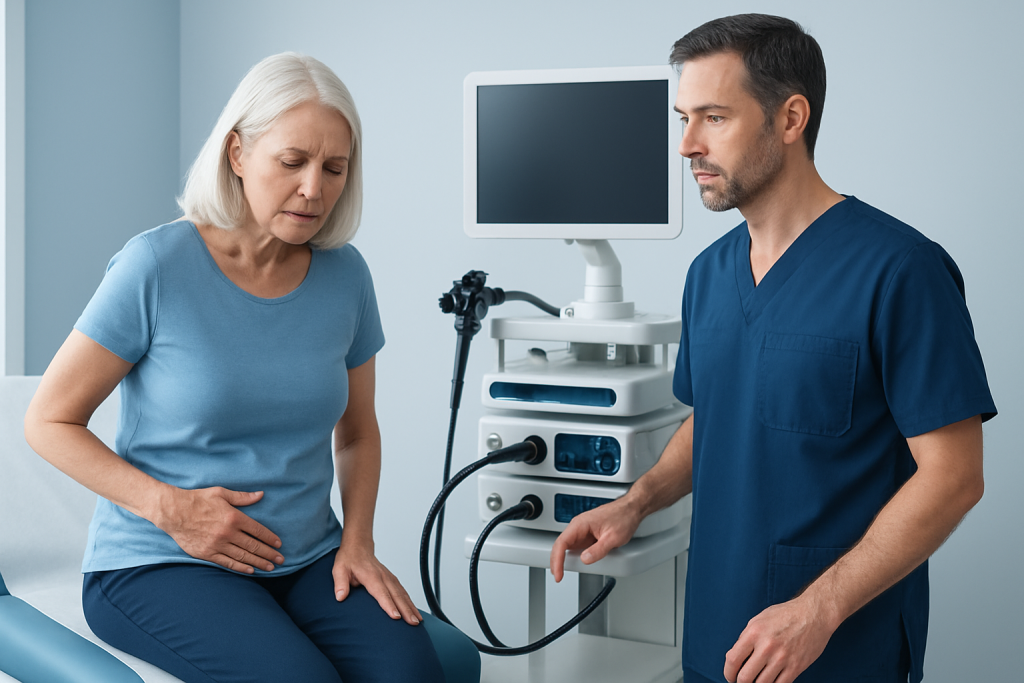
The most recognizable sign is a soft, reddish bulge coming from the anus during or after a bowel movement. At first, the tissue may go back in on its own. Over time, it may need to be gently pushed back or may remain outside longer before reducing.
Symptoms can vary, and not everyone experiences all of them. Common complaints include mucus discharge, minor bleeding, a feeling of pressure in the rectum, and the sense that the bowel has not emptied fully. Some people also report discomfort when walking, sitting, or standing for long periods.
Because the rectum and pelvic floor work together during bowel movements, prolapse may also be associated with constipation, straining, or fecal leakage. In children, symptoms can appear after prolonged diarrhea or constipation, while in adults the problem is often linked to long-term strain or pelvic support weakness.
- Visible or felt bulge at the anus
- Mucus or stool leakage
- Rectal bleeding or irritation
- Difficulty controlling bowel movements
- Sensation of incomplete evacuation
Causes & Risk Factors
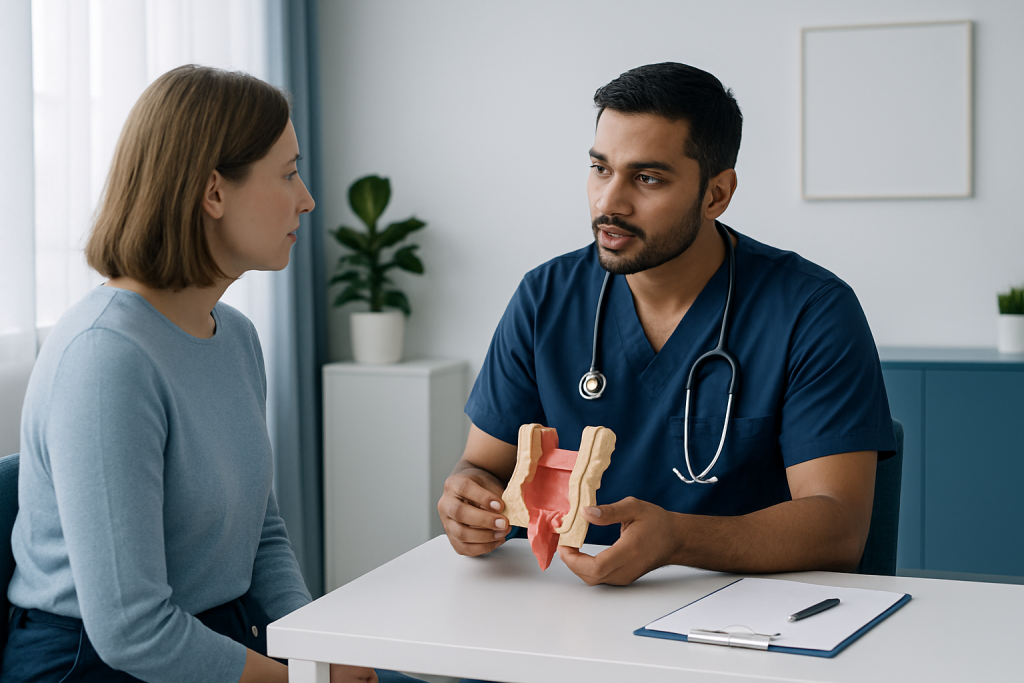
Rectal prolapse usually develops when the tissues and muscles that normally hold the rectum in place become weaker or are repeatedly stretched. Over time, that support can fail, allowing the rectum to slide downward. In many cases, more than one factor contributes.
Chronic constipation and repeated straining are among the most common contributors, especially when bowel movements are hard or infrequent. Persistent coughing, heavy lifting, pelvic floor injury, aging-related tissue weakness, and previous childbirth can also play a role. Some neurologic or connective tissue disorders may increase vulnerability by affecting muscle control or support structures.
Risk is not limited to one age group, although the pattern differs by age. In adults, rectal prolapse is more often associated with long-standing bowel dysfunction or pelvic floor disorders. In children, it may follow diarrhea, constipation, malnutrition, or conditions that affect the tissues and nerves of the bowel.
- Long-term constipation or straining
- Weak pelvic floor muscles
- Previous pregnancy or childbirth-related injury
- Older age and tissue laxity
- Neurologic or connective tissue conditions
- Chronic cough or repeated pressure on the abdomen
Diagnosis
Diagnosis begins with a conversation about what the bulge looks and feels like, when it appears, and whether bowel habits, leakage, or bleeding are changing. A doctor may ask the person to strain during an examination because the prolapse may be easier to see at that moment. When possible, the pattern of prolapse helps distinguish it from hemorrhoids or other anal conditions.
A physical exam is usually the key step, but further tests may be recommended to understand why the prolapse happened and whether other pelvic floor problems are present. These may include colonoscopy, imaging studies, or specialized bowel-function testing. The aim is not only to confirm the diagnosis, but also to plan treatment that fits the person’s anatomy and symptoms.
For people traveling from abroad, diagnosis is often organized efficiently so that several assessments can be completed in a short window. That can be especially helpful when coordinating care across borders, because a clear report supports both treatment decisions and follow-up after returning home.
- Detailed symptom and medical history
- Physical and rectal examination
- Observation during straining, if needed
- Colonoscopy or other bowel evaluation in selected cases
- Pelvic floor or imaging tests when indicated
Treatment Options
Treatment depends on whether the prolapse is mild, how often it occurs, and how much it affects bowel control and daily life. In some early or limited cases, improving bowel habits and reducing straining can ease symptoms, especially in children. However, true rectal prolapse in adults often requires surgery for lasting correction.
Conservative measures focus on making bowel movements easier and less forceful. This may include increasing fiber and fluid intake, reviewing medications that worsen constipation, using stool-softening strategies if recommended by a clinician, and learning better toileting habits. Pelvic floor therapy can be useful in selected patients, particularly when muscle coordination is part of the problem.
Surgical treatment is considered when symptoms persist, the prolapse is recurrent, or quality of life is affected. The exact operation depends on age, overall health, bowel function, and whether the surgeon recommends an abdominal or perineal approach. The goal is to restore normal anatomy, improve bowel control, and reduce the chance of recurrence, while keeping recovery as safe and straightforward as possible.
- Diet and bowel habit changes
- Pelvic floor physiotherapy in selected cases
- Medication review to reduce constipation triggers
- Procedures to repair and support the rectum
- Personalized surgical planning based on health and anatomy
Prevention & Self-care
Not every case of rectal prolapse can be prevented, especially when pelvic tissues have already weakened. Still, lowering strain on the bowel can be helpful for people at risk or those recovering after treatment. The practical goal is to keep stools soft, reduce effort, and avoid habits that repeatedly increase pressure on the rectum.
Simple day-to-day steps can make bowel movements less stressful. A diet with enough fiber, regular hydration, and responding to the urge to pass stool without delay can all help. If constipation is persistent, it is sensible to discuss safe options with a clinician rather than relying on repeated straining.
After treatment, self-care is also about giving the repaired area time to settle and following the care plan closely. People returning to another country should make sure they leave with clear instructions on diet, wound care if applicable, activity limits, and who to contact if new symptoms appear. Good follow-up planning can make recovery smoother and less uncertain.
- Use fiber and fluids to support softer stools
- Avoid prolonged straining on the toilet
- Address constipation early with medical guidance
- Keep up with pelvic floor exercises if advised
- Follow post-treatment instructions carefully, especially after surgery
When to See a Doctor
Any new rectal bulge, repeated prolapse, or unexplained rectal bleeding deserves medical assessment. Even if the tissue goes back in on its own, the condition may progress over time, and early evaluation can prevent longer-term problems with continence or irritation.
Urgent medical attention is appropriate if the prolapse cannot be reduced, becomes very painful, changes color, or is accompanied by significant bleeding. These signs can suggest trapped or compromised tissue and should be checked promptly. Severe constipation with abdominal swelling or vomiting also needs prompt review.
People who are considering treatment abroad may find it helpful to seek a specialist team that can evaluate the prolapse, explain options clearly, and coordinate perioperative care. Acibadem Health Point brings together multidisciplinary specialists and JCI-accredited hospitals to diagnose and treat rectal prolapse for international patients, with an emphasis on clear planning and follow-up.
Living With Rectal Prolapse: What Patients Often Want to Know
Many people first wonder whether rectal prolapse is the same as hemorrhoids. They can look similar to someone trying to describe the problem, but they are different conditions. Hemorrhoids involve swollen veins, while rectal prolapse involves the rectum itself slipping downward.
Another common question is whether the condition will always get worse. Not every case progresses in the same way, but ongoing strain, constipation, and untreated prolapse can make symptoms more frequent. That is one reason doctors often look beyond the visible bulge and ask about bowel habits, continence, and pelvic floor symptoms.
It is also natural to ask whether treatment will restore normal bowel function. Many people improve after appropriate management, but the degree of recovery varies with the cause, the duration of symptoms, and whether leakage or constipation has other contributing factors. A realistic conversation with a specialist helps set expectations and choose the safest path forward.
Frequently asked questions
Is rectal prolapse the same as hemorrhoids?
No. Hemorrhoids are swollen blood vessels in the anal area, while rectal prolapse is when the rectum slips downward and may protrude through the anus. Because the two can look similar to patients, a medical exam is often needed to tell them apart.
Can rectal prolapse go away on its own?
A mild prolapse may temporarily reduce on its own, but the underlying weakness usually does not fully resolve without treatment. If the problem keeps returning, a doctor should assess it to prevent worsening symptoms.
Does rectal prolapse always need surgery?
Not always, but surgery is commonly recommended for persistent rectal prolapse in adults. Some people, especially children or those with very mild symptoms, may improve with bowel management and treatment of constipation or diarrhea.
What makes rectal prolapse worse?
Repeated straining, untreated constipation, and prolonged time on the toilet can worsen the problem. Anything that increases abdominal pressure, such as chronic coughing, may also contribute.
How is rectal prolapse diagnosed?
Diagnosis usually starts with a doctor’s history and a physical examination, often while the person is straining. Additional tests may be used to look for related bowel or pelvic floor problems and to help plan treatment.
Can people travel for rectal prolapse treatment?
Yes. Many patients travel for specialist evaluation and surgery when they want coordinated care or a second opinion. It is helpful to arrange follow-up instructions before returning home so recovery can continue smoothly.
References
- Mayo Clinic
- Cleveland Clinic
- NIDDK National Institute of Diabetes and Digestive and Kidney Diseases
- American Society of Colon and Rectal Surgeons
- NHS
This article is for general information only and is not a substitute for professional medical advice. Please consult a qualified doctor about your individual situation.
Persistent digestive symptoms? Get evaluated in Turkey
JCI-accredited · board-certified surgeons · reply within 24h
Add us as a Preferred Source to see more of our trusted health content across Google Search, AI Overviews and Discover.