Recessed Maxilla: Symptoms, Causes and Treatment

Key Takeaways
- A recessed maxilla means the upper jaw is positioned further back than usual.
- It can affect appearance, bite, chewing, speech, and sometimes breathing.
- Causes may include genetics, growth patterns, trauma, or certain childhood habits and conditions.
- Diagnosis usually combines a dental exam, imaging, and bite analysis.
- Treatment ranges from orthodontics and growth guidance to jaw surgery in selected cases.
Medically reviewed by the Acıbadem clinical team — August 19, 2026
A recessed maxilla is when the upper jaw sits further back than expected, which can affect facial balance, breathing, and bite alignment. Many people first notice it through orthodontic concerns, while others seek help because of speech, sleep, or chewing issues.
Overview
A recessed maxilla, also called maxillary retrusion or maxillary deficiency, describes an upper jaw that sits farther back than expected in relation to the rest of the face and lower jaw. In practical terms, this can change how the teeth meet, how the lips and midface look, and sometimes how air moves through the nose and throat.
Not every recessed maxilla needs treatment, and not every facial profile difference is a medical problem. For some people, it is mainly an orthodontic concern; for others, it becomes relevant because of chewing difficulty, speech changes, mouth breathing, or sleep-related symptoms. A careful evaluation helps determine whether the issue is mild, moderate, or part of a broader bite or jaw relationship.
For international patients who are weighing care abroad, the first step is usually understanding whether the concern is dental, growth-related, or surgical. That distinction shapes the treatment plan, the expected timeline, and whether care can begin with braces or aligners, or whether a jaw specialist should be involved from the start.
Symptoms
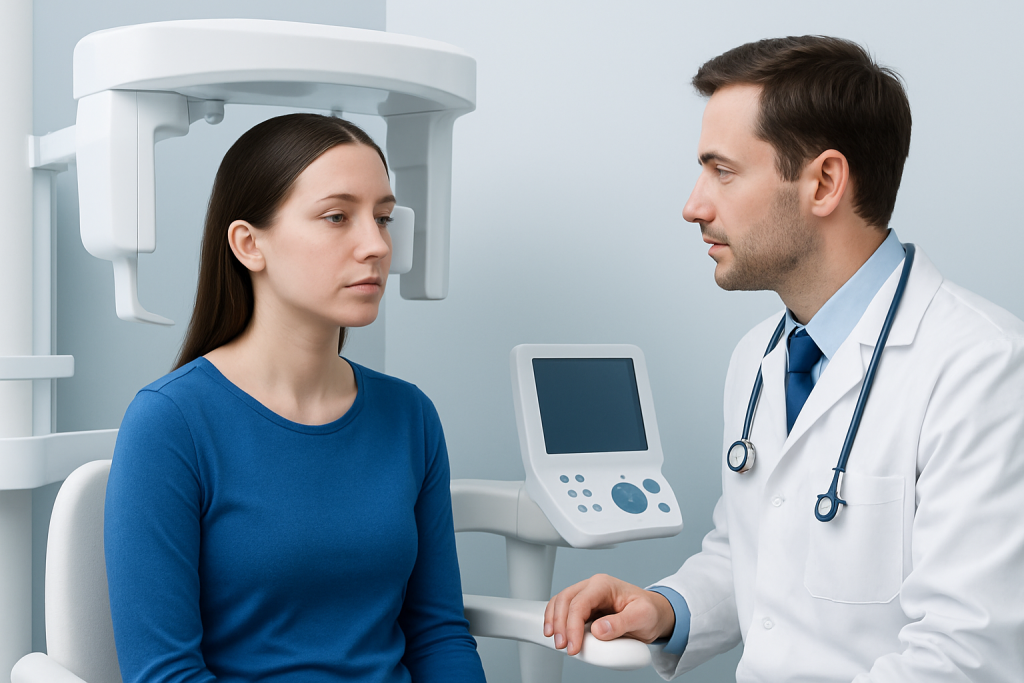
The signs of a recessed maxilla are not always dramatic. Some people notice a flatter midface, a sunken look beneath the eyes, or the upper lip appearing less prominent than expected. Others are first told about it during a routine dental visit because their bite does not fit together comfortably.
Common functional symptoms may include:
- An overbite or other bite mismatch
- Difficulty biting or chewing certain foods
- Speech sounds that feel less clear
- Mouth breathing or a dry mouth, especially at night
- Jaw strain or uneven wear on the teeth
- Snoring or other sleep-related concerns in some cases
Symptoms can vary with age. In children and teens, the upper jaw may still be growing, so early signs may show up as crowding, a narrow upper arch, or a bite that seems to “slip” backward. In adults, the jaw position is fixed, so attention often turns to how the structure affects daily comfort, dental health, and facial harmony.
Causes & Risk Factors
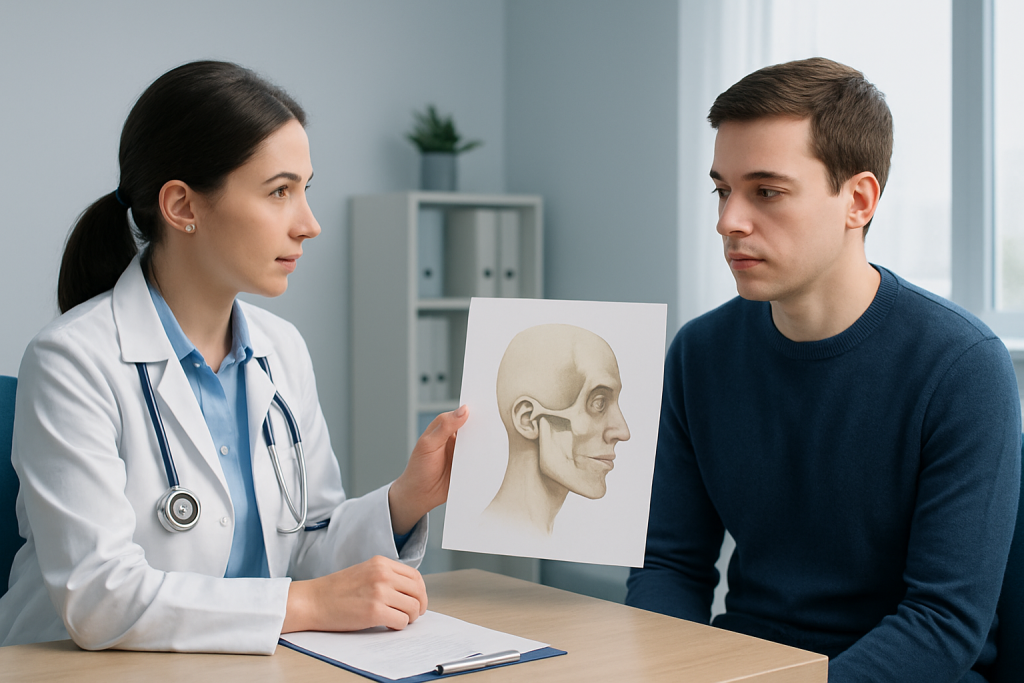
A recessed maxilla usually develops over time, and several factors may contribute. Genetics plays a major role, since jaw size and facial proportions often run in families. Some people inherit a growth pattern in which the upper jaw develops more slowly than the lower jaw or the rest of the face.
Other contributors can include childhood habits or conditions that influence facial growth, such as prolonged thumb sucking, chronic mouth breathing, enlarged adenoids or allergies, or certain cleft and craniofacial conditions. Trauma to the face, previous surgery, or developmental disorders can also affect the upper jaw’s position or growth.
Risk is higher when multiple factors overlap. For example, a child with both inherited jaw imbalance and long-term nasal obstruction may be more likely to develop a noticeable mismatch between the upper and lower jaws. That is why a team approach can matter: dental, ENT, orthodontic, and surgical perspectives may all be useful when symptoms extend beyond one specialty.
Diagnosis
Diagnosis begins with a conversation about concerns, followed by a detailed examination of the teeth, jaw relationship, facial profile, and bite. A dentist or orthodontist will usually check how the upper and lower teeth meet, whether there is crowding or narrowing in the upper arch, and whether the jaw position seems to be the main issue or part of a larger alignment problem.
Imaging is often part of the evaluation. Depending on the case, this may include panoramic and cephalometric X-rays, photographs, and sometimes 3D imaging. These tools help the specialist measure jaw position, assess growth patterns, and plan whether orthodontic treatment alone is realistic or whether surgery should be considered later.
In some patients, the assessment is broader than the mouth. If mouth breathing, snoring, or sleep disruption is present, the care team may also look at nasal airflow, airway size, and ENT-related factors. For people coming from abroad, it is helpful when records, scans, and prior orthodontic notes are reviewed together so the treatment plan is efficient and coordinated before travel.
Treatment Options
Treatment depends on age, severity, and whether the goal is to improve function, appearance, or both. In growing children and adolescents, orthodontic appliances may sometimes guide growth or improve the bite while the jaw is still developing. Braces or aligners may also be used to align the teeth, though they cannot fully change the position of the upper jaw by themselves.
In adults, non-surgical treatment may still help if the issue is mainly dental rather than skeletal. Orthodontic treatment can improve tooth position and bite coordination, but it has limits when the upper jaw is significantly retruded. In those cases, orthognathic surgery, also called jaw surgery, may be recommended to reposition the upper jaw and create a more balanced relationship with the lower jaw.
When surgery is part of the plan, it is usually coordinated with orthodontic treatment before and after the procedure. The sequence matters: teeth are often aligned first so the jaws can be positioned correctly during surgery. Recovery planning should also take into account travel, follow-up visits, dietary changes, and the practical support a patient will need after returning home.
Other care may be added depending on associated issues. For example, ENT treatment for nasal obstruction, management of allergies, or therapy for speech or sleep concerns may complement dental or surgical care. A multidisciplinary plan is often the most realistic way to address both appearance and function without overpromising what one treatment alone can achieve.
Prevention & Self-care
Not all cases of recessed maxilla can be prevented, especially when genetics are the main driver. Still, early attention to oral and facial growth can reduce the chance that a developing mismatch becomes more difficult to manage later. Regular dental checkups in childhood are valuable because small changes in bite and arch shape are easier to track when they are seen over time.
Self-care focuses on habits that support overall oral and airway health. Good dental hygiene helps protect teeth that may already be under uneven pressure from a bite imbalance. Treating chronic nasal blockage, allergies, or enlarged adenoids when appropriate may also support healthier breathing patterns in children.
Helpful general measures include:
- Keeping up with routine dental and orthodontic follow-up
- Addressing persistent mouth breathing or snoring with a clinician
- Avoiding habits that may interfere with oral development in children when advised by a doctor
- Maintaining excellent oral hygiene if the bite makes certain areas harder to clean
- Following post-treatment instructions carefully after orthodontic care or surgery
For patients traveling for treatment, self-care also includes planning well. Bringing prior records, allowing enough time for evaluation, and arranging local follow-up at home can make care smoother and more predictable.
When to See a Doctor
A dental or orthodontic evaluation is reasonable if the bite feels off, the upper teeth do not line up well with the lower teeth, or facial changes seem to be affecting confidence or comfort. A specialist should also be consulted if chewing is difficult, speech is affected, or there is visible crowding, narrowness, or asymmetry in the upper jaw.
Medical review becomes especially important when a recessed maxilla is paired with snoring, mouth breathing, daytime fatigue, or sleep disruption. These symptoms do not prove a breathing disorder on their own, but they do deserve assessment because jaw position may be only one part of the picture.
Children with suspected jaw growth issues benefit from earlier evaluation, since timing can influence which treatments are possible. Adults may need a consultation with both an orthodontist and an oral and maxillofacial surgeon to understand whether a non-surgical plan is enough or whether combined treatment would be more effective. Acibadem Health Point’s multidisciplinary specialists and JCI-accredited hospitals diagnose and treat this condition for international patients as part of coordinated dental and surgical care.
Frequently asked questions
Is a recessed maxilla the same as an overbite?
No. A recessed maxilla refers to the upper jaw being positioned farther back, while an overbite describes how the upper front teeth overlap the lower front teeth. The two can occur together, but they are not the same thing.
Can a recessed maxilla improve without surgery?
Sometimes, especially if the issue is mild or mainly dental rather than skeletal. In growing children, orthodontic appliances may help guide development, while adults may still benefit from orthodontics if the jaw discrepancy is limited.
Does a recessed maxilla always affect breathing?
No, not always. Some people have no breathing symptoms at all, while others notice mouth breathing, snoring, or sleep-related problems; a proper evaluation can clarify whether the jaw position is contributing.
What kind of doctor treats a recessed maxilla?
Dentists, orthodontists, and oral and maxillofacial surgeons may all be involved. If nasal obstruction or sleep symptoms are present, an ENT specialist may also be helpful.
How is surgery decided for a recessed maxilla?
Surgery is usually considered when the jaw position is significantly affecting bite, function, or facial balance and orthodontics alone cannot correct it. The decision is based on examination, imaging, and the person’s goals and overall health.
Is early treatment better for children?
Often, yes, because jaw growth is still changing during childhood and adolescence. Early assessment does not always mean immediate treatment, but it can make future planning more precise and may expand the treatment options.
References
- American Association of Orthodontists
- American Association of Oral and Maxillofacial Surgeons
- Mayo Clinic
- National Institute of Dental and Craniofacial Research
This article is for general information only and is not a substitute for professional medical advice. Please consult a qualified doctor about your individual situation.
Explore treatments in Turkey — costs, top hospitals & a free quote
JCI-accredited · board-certified surgeons · reply within 24h
Add us as a Preferred Source to see more of our trusted health content across Google Search, AI Overviews and Discover.