Transverse Plane

Key Takeaways
- The transverse plane divides the body into upper and lower portions.
- Rotational movements such as turning the head or trunk happen in the transverse plane.
- Healthcare professionals use body planes to describe injuries, imaging findings, and rehabilitation goals.
- A clear understanding of anatomy can support safer exercise and more informed treatment decisions.
- The transverse plane is only one part of a complete movement assessment.
The transverse plane is one of the three main anatomical planes used to describe the body and its movements. Understanding it helps explain rotation, twisting motions, and how clinicians assess posture, exercise, and recovery.
Overview
The transverse plane is a basic concept in anatomy, but it becomes especially useful when a person is trying to understand movement, exercise, or a diagnosis. It is the horizontal plane that divides the body into upper and lower sections. When a movement happens around this plane, it is usually a rotational motion.
For patients, the idea can sound abstract at first. In practice, it helps explain everyday actions such as turning the head to look behind, rotating the trunk to reach across a seatbelt, or swinging a bat. In rehabilitation and sports medicine, clinicians use the transverse plane to describe how a joint, muscle, or spine is moving and whether that motion is balanced and controlled.
Because the term appears in imaging reports, physical therapy notes, anatomy lessons, and surgical discussions, it helps to understand it in plain language. That clarity can make follow-up visits, exercise instructions, and recovery plans easier to follow, especially for international patients who may be navigating care across different healthcare systems.
What the transverse plane means
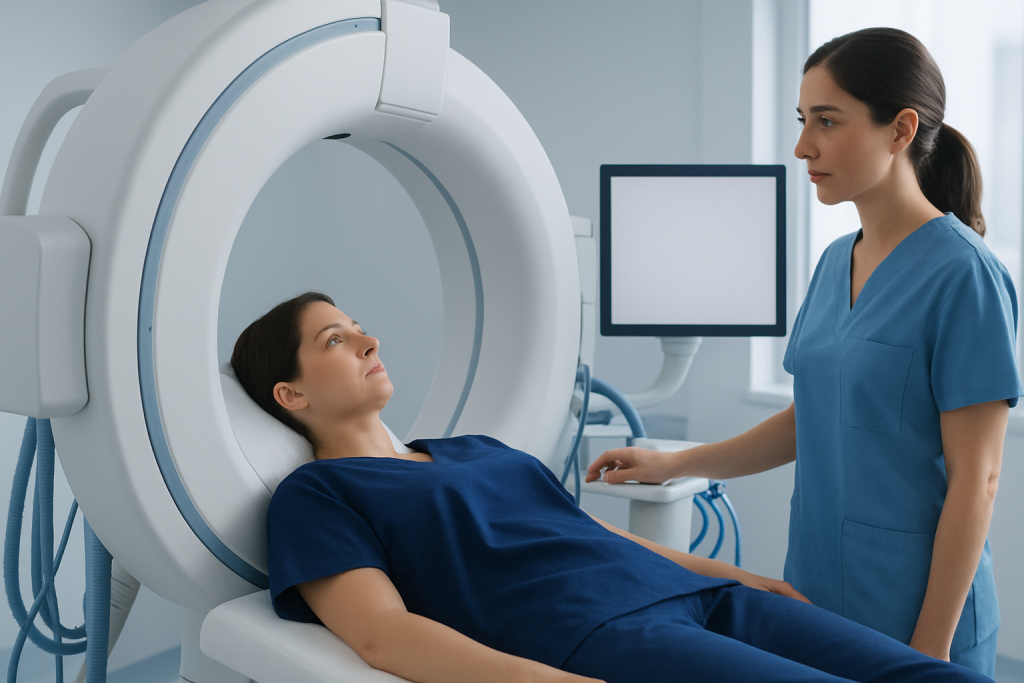
Anatomically, the transverse plane runs horizontally through the body. If the body were sliced into top and bottom parts, the cut would follow the transverse plane. This is different from the sagittal plane, which divides left and right, and the frontal plane, which divides front and back.
Movements in the transverse plane are typically rotations. The shoulder rotating outward, the pelvis turning during a walk, or the spine twisting gently to one side are common examples. These movements often involve several muscles and joints working together rather than one structure acting alone.
The transverse plane also matters in describing body position. A clinician may refer to a structure, injury, or imaging slice in the transverse plane to explain where it sits in relation to other anatomy. That shared language supports more precise communication among doctors, therapists, radiologists, and patients.
Common movements in the transverse plane

Not every twist looks dramatic. Many transverse-plane movements are small, automatic, and repeated throughout the day. The neck turning to check traffic, the shoulder rotating during dressing, and the torso rotating while walking all use this plane in different ways.
Several activities depend heavily on rotational control. Examples include:
- Golf, tennis, baseball, and similar sports
- Throwing and reaching across the body
- Turning in bed
- Changing direction while walking or running
- Twisting to lift or place an object
Movement quality matters as much as movement range. A smooth rotation usually reflects coordinated muscle control, while stiffness, pain, or asymmetry may suggest that one area is compensating for another. That is why therapists often observe how the trunk, hips, and shoulders share rotational work rather than looking at a single joint in isolation.
Why clinicians pay attention to it
Healthcare professionals use the transverse plane as a practical tool for assessment. It can help them describe how well a joint rotates, whether a spine is moving evenly, or whether one side of the body is overworking during an activity. In musculoskeletal care, that information guides both diagnosis and rehabilitation planning.
The plane is also useful in imaging and surgery. CT and MRI scans are often viewed in transverse slices, which allows clinicians to examine structures layer by layer. In operative planning, knowing the exact relationship between tissues in the transverse plane can support safer, more accurate procedures.
For patients preparing for Varicose Vein Treatment Abroad: When Stockings Are Enough and When Procedures Help More" class="ahp-ilk">treatment abroad, this shared anatomical vocabulary can be reassuring. It helps create a common framework during consultations, second opinions, and follow-up care, even when providers speak different languages or work in different systems.
Causes and risk factors for limited transverse-plane motion
Reduced rotational movement does not usually come from one single cause. It may develop because of muscle tightness, joint stiffness, inflammation, poor posture, scar tissue, spinal conditions, or a recent injury. Sometimes the body limits rotation to protect a painful area, even if the original cause has already improved.
Risk factors depend on the person’s age, activity level, and medical history. A sedentary lifestyle, repeated strain from work or sport, arthritis, previous surgery, and nerve-related conditions can all affect how smoothly the body moves in the transverse plane. Limited trunk rotation may also appear when hip mobility is reduced, since the body often compensates by twisting elsewhere.
It is important to remember that restricted motion is a clue, not a diagnosis on its own. A qualified clinician considers the full picture, including pain pattern, strength, flexibility, neurological findings, and imaging when needed, before deciding what is contributing to the problem.
Diagnosis and assessment
Assessment usually starts with a conversation and a physical examination. A doctor or physiotherapist may ask when the limitation began, what activities make it worse, and whether the person feels pain, stiffness, weakness, or a sense of catching or locking. They may also observe posture, gait, and how the shoulders, hips, and spine move together.
Specific tests can help reveal whether rotation is limited at the neck, thoracic spine, pelvis, shoulder, or hip. The clinician may compare both sides, check muscle strength, and look for signs that the body is compensating in other planes of motion. If there is concern about structural injury, nerve involvement, or an internal problem, imaging studies may be ordered.
Common diagnostic tools may include X-rays, CT scans, MRI, or ultrasound depending on the suspected issue. These tests do not assess the transverse plane in isolation; rather, they help the care team understand why motion is altered and how best to address it.
Treatment options and rehabilitation
Treatment depends on the underlying reason for reduced motion or pain. In many cases, the first step is conservative care such as activity modification, guided exercise, manual therapy, heat or cold as appropriate, and pain control recommended by a doctor. The goal is usually to restore comfortable rotation while protecting healing tissues.
Rehabilitation often focuses on mobility, stability, and coordination. A program may include trunk rotation exercises, hip mobility work, shoulder rotation drills, and strengthening of the deep core and back muscles. The clinician may also retrain movement patterns so the body can rotate efficiently without overloading one area.
When a patient is traveling for treatment, planning matters. It can help to ask about the expected recovery timeline, whether exercises can be continued at home, and how follow-up will be arranged after returning to another country. If a procedure is needed, the care team should explain what movements should be limited early on and when rotation can safely resume.
Prevention and self-care
Healthy transverse-plane movement is supported by regular motion, good posture, and balanced strength across the trunk, hips, and shoulders. Gentle twisting activities, walking, and mobility exercises can help keep rotation comfortable, especially for people who spend much of the day sitting.
Useful self-care habits include:
- Taking short movement breaks during long periods of sitting
- Warming up before sport or exercise
- Using controlled rotation rather than sudden twisting when lifting or reaching
- Maintaining core and hip strength
- Following a therapist’s exercise plan consistently
Self-care should stay within comfortable limits. Sharp pain, repeated clicking with discomfort, numbness, or worsening stiffness are signs to slow down and seek advice. For patients recovering after care abroad, it is especially helpful to keep written instructions, exercise illustrations, and contact details for the treating team.
When to see a doctor
Medical evaluation is sensible if rotation suddenly becomes painful, if the movement loss follows an injury, or if symptoms interfere with daily tasks. Persistent stiffness, recurring back or neck pain, or a feeling that one side of the body is not moving normally also deserves attention.
Urgent assessment is needed if limited transverse-plane movement appears together with weakness, numbness, severe trauma, fever, unexplained weight loss, loss of bowel or bladder control, or major changes in walking. These symptoms may indicate a more serious condition that needs prompt care.
For patients seeking a second opinion or coordinated rehabilitation plan, Acibadem Health Point’s multidisciplinary specialists and JCI-accredited hospitals diagnose and treat a wide range of musculoskeletal and neurological conditions for international patients. A qualified clinician can determine whether the concern is simple stiffness, a recovery issue, or something that needs further investigation.
Frequently asked questions
What is the transverse plane in simple terms?
The transverse plane is a horizontal anatomical plane that divides the body into upper and lower parts. It is commonly used to describe twisting or rotational movements.
Which movements happen in the transverse plane?
Rotation is the main type of movement in this plane. Examples include turning the head, rotating the trunk, and swinging the arms during sport.
How is the transverse plane different from the sagittal plane?
The transverse plane divides the body into top and bottom sections, while the sagittal plane divides it into left and right sections. They are used for different kinds of movement and body description.
Why do physical therapists talk about body planes?
Body planes help therapists describe how a person moves and where restrictions may be happening. That makes it easier to plan exercises and track progress.
Can poor transverse-plane motion cause pain?
It can contribute to discomfort if the body twists unevenly or compensates for stiffness elsewhere. A clinician can identify the underlying cause and recommend appropriate treatment.
Do imaging scans use the transverse plane?
Yes, many CT and MRI images are viewed in transverse slices. This helps clinicians examine anatomy layer by layer and locate abnormalities more precisely.
References
- Gray's Anatomy
- Mayo Clinic
- Cleveland Clinic
- National Institute of Arthritis and Musculoskeletal and Skin Diseases
This article is for general information only and is not a substitute for professional medical advice. Please consult a qualified doctor about your individual situation.