Malignant Hyperthermia

Key Takeaways
- Malignant hyperthermia is usually triggered by certain anesthetic gases and a muscle relaxant used during surgery.
- Early signs can include a rapidly rising body temperature, muscle rigidity, fast heart rate, and changes in breathing or carbon dioxide levels.
- It is often linked to inherited gene changes, so family history matters when planning anesthesia.
- Immediate treatment with dantrolene and supportive hospital care is essential.
- People who are at risk should tell every anesthesia team in advance and carry their medical alert information.
Malignant hyperthermia is a rare but serious reaction that can happen during or after exposure to certain anesthetic medicines. With early recognition, prompt treatment, and clear planning for future procedures, many people with susceptibility can receive safe care.
Overview
Malignant hyperthermia is not an allergy in the usual sense, but it can look dramatic and move quickly. It is a rare inherited susceptibility that may be triggered by some general anesthetic gases and by a muscle relaxant commonly used for intubation during surgery. When the reaction starts, the body’s muscles become overactive, heat production rises, and dangerous metabolic changes can develop within minutes.
Because the event often happens in the operating room, it is one of those conditions where preparation makes a major difference. A person may feel entirely well before surgery and still be at risk if they carry the genetic tendency. For international patients planning an operation abroad, sharing prior anesthesia records, family history, and any previous unexplained reactions is an important part of safe travel-based care.
Hospitals that perform surgery routinely keep a clear response pathway for this emergency. The diagnosis is made clinically during an episode, and the treatment team works quickly to stop the trigger, give the antidote, and support the heart, lungs, and kidneys while the body recovers.
Symptoms
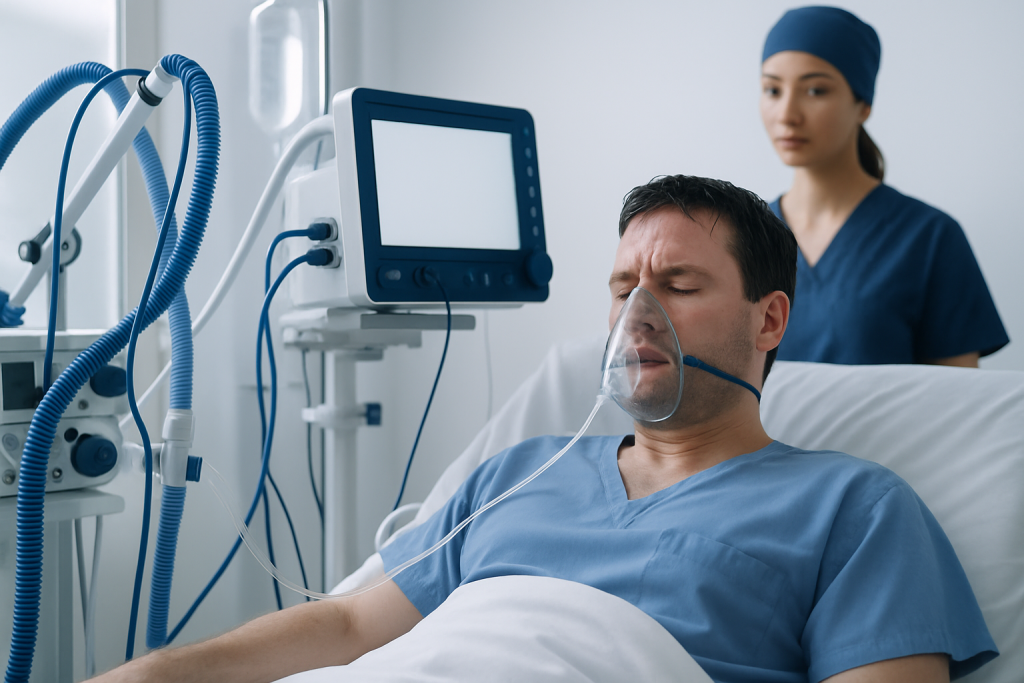
The first clues are often subtle rather than spectacular. Anesthesia teams may notice a rapid rise in carbon dioxide levels during the procedure, a fast heartbeat, or unexpected muscle stiffness, especially of the jaw or whole body. Fever can occur, but it may appear later, so waiting for a temperature spike can delay recognition.
Other signs may include fast breathing, dark urine from muscle breakdown, low oxygen levels, and unstable blood pressure. In some cases, the person remains under anesthesia and cannot report symptoms, which is why close monitoring is so important. After surgery, similar warning signs can appear in the recovery room or shortly afterward.
Common features seen during an episode include:
- Muscle rigidity or stiffness
- Rapid rise in end-tidal carbon dioxide
- Fast heart rate
- Fever or a rising core temperature
- Acidosis, or abnormal blood chemistry
- Signs of muscle injury, such as dark urine
Anyone who has had an unexplained high fever, severe rigidity, or emergency treatment during a previous anesthetic should mention it clearly before any future procedure.
Causes & Risk Factors

Malignant hyperthermia is usually caused by inherited changes in genes that help muscle cells control calcium. The most well-known genes are RYR1 and, less commonly, CACNA1S. When a triggering anesthetic is given, calcium floods the muscle cells in an uncontrolled way, causing the muscles to contract and generate excess heat and carbon dioxide.
The condition is not contagious and does not develop from lifestyle choices. It is present as a susceptibility, which means a person may never know about it until surgery or until a family pattern comes to light. That is why a family history of anesthesia complications, unexplained sudden death during surgery, or prior “bad reactions” to anesthetic medicines should never be overlooked.
People at higher risk may include:
- Those with a personal history of malignant hyperthermia
- Close relatives of someone with the condition
- People with certain inherited muscle disorders
- Individuals with prior unexplained anesthesia complications
Knowing the risk ahead of time allows the anesthesia team to choose safer medicines and prepare the operating room appropriately.
Diagnosis
During an episode, malignant hyperthermia is diagnosed based on the pattern of symptoms, surgical context, and laboratory findings. The anesthesia team may see a sudden rise in carbon dioxide, muscle rigidity, acidosis, elevated potassium, and signs that muscle tissue is breaking down. These findings together point to the condition and guide immediate treatment.
After the emergency has passed, specialists may recommend testing to confirm susceptibility and help protect the patient and family members in the future. One option is genetic testing, which may identify a known gene change. Another is a specialized muscle contracture test performed in a dedicated center, typically after referral by an expert.
For people traveling from another country, it can be helpful to keep copies of operative notes, anesthesia charts, and any emergency treatment records. Even if formal testing is planned later, those records may help doctors decide on the safest approach for future procedures in the meantime.
Treatment Options
Malignant hyperthermia is treated as a medical emergency. The first step is to stop the triggering anesthetic agents and switch to safe alternatives. The team then gives dantrolene, a medicine that helps calm the overactive muscle response, while also cooling the body and correcting the body’s chemistry.
Supportive care is just as important. The patient may receive oxygen, fluids, treatment for abnormal heart rhythms, and monitoring of blood tests that check for muscle injury, kidney stress, and electrolyte imbalance. In more severe cases, intensive care may be needed for ongoing observation after the initial crisis settles.
Recovery does not end when the temperature improves. The care team usually continues to watch for delayed complications such as muscle breakdown, kidney injury, or recurrence of symptoms. Before discharge, the patient should receive clear documentation explaining the episode and what anesthetic agents must be avoided in the future.
For someone arranging Varicose Vein Treatment Abroad: When Stockings Are Enough and When Procedures Help More" class="ahp-ilk">treatment abroad, this is where a well-coordinated hospital matters most: the right antidote must be available immediately, and the anesthesia, intensive care, laboratory, and pharmacy teams need to work in sync.
Prevention & Self-care
Prevention starts long before the day of surgery. A person with known or suspected susceptibility should inform every doctor, dentist, anesthesiologist, and emergency clinician about the risk. Wearing a medical alert bracelet and carrying written information can be especially helpful when care is needed away from home.
When a surgery or procedure is being planned, the anesthesia team can choose non-triggering medicines and prepare the equipment so that no residual triggering gas remains in the machine. This planning is routine in experienced centers and is one reason advanced preoperative assessment matters.
Practical steps that help protect future care include:
- Sharing any family history of anesthesia reactions
- Keeping a copy of prior anesthesia records
- Asking whether genetic counseling or testing is appropriate
- Reporting all previous surgical complications, even if they were never fully explained
- Telling family members they may also need evaluation
Self-care after a diagnosis is mainly about communication and organization. The goal is to make sure future clinicians have the information they need, even if treatment is sought in another city or country.
When to See a Doctor
Medical advice should be sought before any planned procedure if there is a personal or family history suggestive of malignant hyperthermia. A pre-anesthesia consultation is the right time to discuss prior operations, unusual fevers, muscle stiffness, or an anesthesia-related emergency in the family. This conversation can change the medication plan and reduce risk.
After an episode, follow-up with a specialist is important even if recovery seems complete. Patients may need guidance on genetic testing, family screening, and written instructions for future care. It is also wise to ask for a summary letter that states the diagnosis or suspected diagnosis in clear terms.
If symptoms appear during or after surgery, the situation should be treated as urgent and managed by the medical team immediately. For international patients, Acibadem Health Point’s multidisciplinary specialists and JCI-accredited hospitals can help diagnose and treat malignant hyperthermia and coordinate follow-up care with safety and clarity in mind.
Living With the Risk of Recurrence
Once malignant hyperthermia susceptibility is recognized, the main challenge is not day-to-day symptoms but planning for the future. Most people can live normally, exercise, work, and travel without ongoing illness, provided that their anesthesia risk is well documented and communicated.
It may help to keep a simple emergency file with the diagnosis, relevant test results, medication triggers to avoid, and contact details for a specialist center. This is especially useful for people who may need urgent treatment far from home, where medical teams must make rapid decisions with limited time.
Families often find reassurance in learning that the condition is manageable when it is identified in advance. The key is not fear, but preparedness: the right information shared with the right team at the right time.
Frequently asked questions
Is malignant hyperthermia the same as a severe allergic reaction to anesthesia?
No. It is usually an inherited reaction involving muscle metabolism, not a classic allergy. The practical result is similar in one respect: certain anesthetic medicines must be avoided once susceptibility is known.
Can malignant hyperthermia happen the first time someone has surgery?
Yes. A person may have no warning signs until they are exposed to a triggering anesthetic. That is why family history and careful preoperative questions are so important.
What medicines can trigger malignant hyperthermia?
Common triggers include some inhaled general anesthetic agents and the muscle relaxant succinylcholine. An anesthesia team can use alternative medicines when a patient is known or suspected to be at risk.
Can people with malignant hyperthermia susceptibility still have surgery safely?
Yes, many can. The procedure needs a modified anesthesia plan, proper machine preparation, and a team ready to respond if needed.
Should family members be tested too?
Often, yes, especially close relatives of someone with confirmed susceptibility. A doctor or genetic counselor can explain whether genetic testing or specialized muscle testing is appropriate.
How long does recovery take after an episode?
Recovery varies depending on how quickly the episode was recognized and how severe it became. Some patients need short hospital observation, while others require longer intensive care for muscle, kidney, or electrolyte issues.
References
- World Health Organization
- MHAUS (Malignant Hyperthermia Association of the United States)
- National Institute of General Medical Sciences
- MedlinePlus
- GeneReviews
This article is for general information only and is not a substitute for professional medical advice. Please consult a qualified doctor about your individual situation.