Quadriplegia: Symptoms, Causes and Treatment

Key Takeaways
- Quadriplegia usually results from damage to the neck region of the spinal cord, but other neurological conditions can contribute.
- Symptoms may include weakness or paralysis in the arms and legs, changes in sensation, breathing problems, and bladder or bowel difficulties.
- Early diagnosis and prompt treatment are important because the first medical decisions can influence recovery, complications, and rehabilitation planning.
- Care often includes emergency treatment, surgery when needed, rehabilitation, assistive devices, and support for daily living.
- Ongoing follow-up helps manage spasticity, pressure sores, infections, pain, and emotional adjustment.
- Families planning treatment across borders should ask about transfer safety, rehabilitation access, and coordinated follow-up before travel.
Medically reviewed by the Acıbadem clinical team — August 19, 2026
Quadriplegia is a condition in which movement and sensation are affected in all four limbs, usually because of an injury or disease involving the cervical spinal cord. Understanding the cause, urgent treatment needs, and long-term rehabilitation options helps patients and families plan care with greater confidence.
Overview
Quadriplegia, also called tetraplegia, refers to significant weakness or paralysis affecting both arms and both legs. It is most often linked to an injury in the cervical spinal cord, the part of the nervous system that carries signals between the brain and the body.
The term describes a pattern of impairment rather than a single disease. Some people experience complete loss of movement and sensation below the level of injury, while others retain partial function. Because the neck region also helps control breathing and swallowing, quadriplegia can affect more than mobility alone.
For many families, the first questions are practical: What caused this change, what can be reversed, and what kind of support will be needed next? The answers depend on the underlying cause, how quickly treatment begins, and the extent of spinal cord involvement.
Symptoms
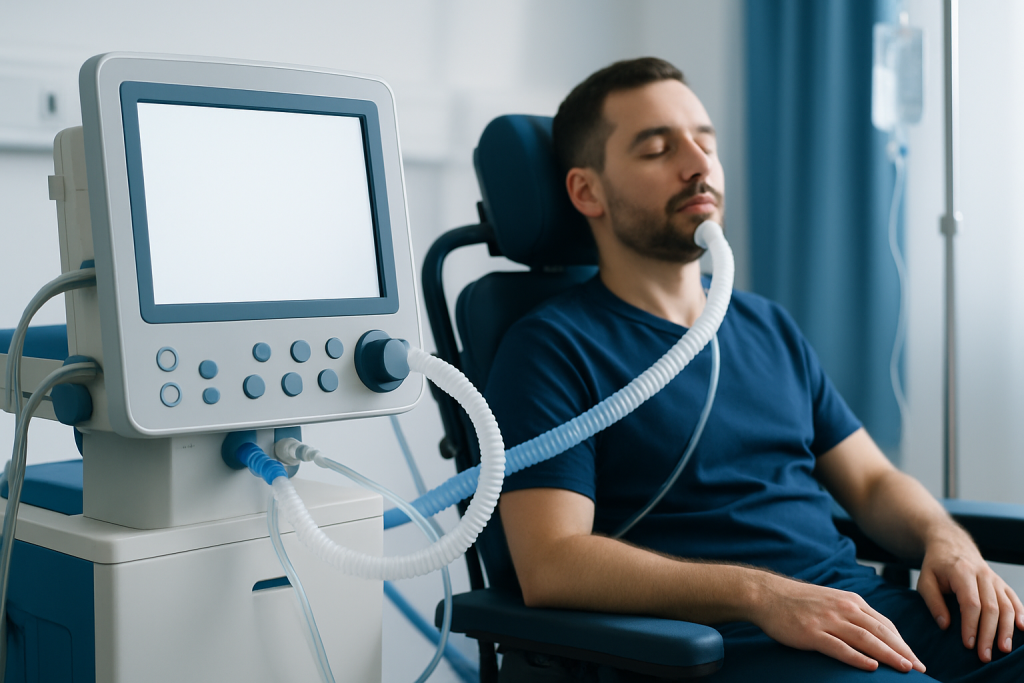
The signs of quadriplegia vary depending on the level and severity of nervous system damage. Some people notice sudden weakness after trauma, while others develop gradually progressive symptoms from a disease affecting the spinal cord or brain.
Common findings may include:
- Weakness or paralysis in both arms and both legs
- Numbness, tingling, or reduced sensation below the level of injury
- Difficulty breathing, coughing, or clearing secretions
- Loss of bladder or bowel control
- Changes in sexual function
- Muscle spasms or stiffness
- Low blood pressure, dizziness, or temperature regulation problems
Because the cervical spinal cord can influence several body systems, symptoms may extend beyond movement. A person may also have trouble speaking clearly, swallowing safely, or sitting upright without support, especially soon after the event that caused the injury.
Causes & Risk Factors

The most common cause of quadriplegia is trauma to the neck, such as from a road traffic accident, fall, diving injury, sports accident, or other high-impact event. The spinal cord may be compressed, bruised, stretched, or severed, and swelling can worsen the neurological deficit in the hours after injury.
Non-traumatic causes are also possible. These include tumors, infections, inflammatory conditions, congenital abnormalities, degenerative spine disease, and certain neurological disorders that damage the spinal cord or its pathways.
Risk is higher in situations that increase the chance of neck injury or delayed treatment. Examples include unsafe driving conditions, sports without proper protection, osteoporosis in older adults, and medical problems that weaken the spine. Even when the initial event seems minor, new numbness, weakness, or neck pain should be treated seriously.
Diagnosis
Diagnosis begins with a careful neurological examination and an urgent review of the circumstances surrounding symptom onset. Medical teams assess muscle strength, sensation, reflexes, breathing, and the function of the bladder and bowel to understand how much of the nervous system has been affected.
Imaging is central to the workup. CT scans are often used quickly in emergencies to look for fractures or bleeding, while MRI gives a more detailed view of the spinal cord, discs, ligaments, and soft tissues. In some cases, blood tests, nerve studies, or additional brain and spinal imaging may be needed to identify disease-related causes.
For international patients, diagnosis is often only the first step in planning care. Families should ask how the findings translate into transfer safety, surgical urgency, rehabilitation needs, and the expected level of support after discharge. Clear communication at this stage makes cross-border treatment much easier to coordinate.
Treatment Options
Treatment depends on the cause and severity of the neurological injury, but urgent stabilization is often the first priority. This may include protecting the airway, supporting breathing, immobilizing the neck, managing pain, and preventing further spinal cord damage.
When compression or instability is present, surgery may be recommended to relieve pressure, stabilize the spine, or repair structural damage. In other situations, careful medical management is the main approach, particularly when the condition is caused by inflammation, infection, or a non-surgical neurological process.
After the acute phase, rehabilitation becomes central. A team may include neurologists, rehabilitation physicians, physiotherapists, occupational therapists, speech and swallowing specialists, nurses, psychologists, and social workers. Treatment may focus on maintaining joint movement, improving strength where possible, preventing complications, teaching transfers and wheelchair skills, and adapting the home or hospital environment to the person’s needs.
Supportive care can also include management of spasticity, bowel and bladder programs, skin protection, respiratory therapy, nutritional support, and equipment such as braces, wheelchairs, communication aids, or pressure-relieving cushions. The overall plan is individualized, because the goals of care can differ widely from one patient to another.
Prevention & Self-care
Not every case of quadriplegia can be prevented, but reducing the risk of spinal cord injury is an important part of public and personal health. Seat belts, safe driving practices, proper sports equipment, fall prevention at home, and attention to neck safety during physical activity all lower the chance of severe trauma.
For people already living with quadriplegia, self-care is often about consistency rather than intensity. Regular skin checks, scheduled repositioning, hydration, bowel and bladder routines, and attention to respiratory health can help reduce complications. Stretching and guided therapy may also help preserve comfort and flexibility.
Emotional care matters too. Adjustment can be demanding for the patient and family, especially when recovery is uncertain or long-term assistance is needed. Support groups, counseling, and practical planning for daily routines often make the return home more manageable, whether that home is local or in another country.
When to See a Doctor
Urgent medical assessment is necessary if a person has sudden weakness, numbness, or loss of movement in the arms and legs, especially after a fall, collision, or other injury. Neck pain, breathing difficulty, confusion, or loss of bladder control after trauma should also be treated as an emergency.
Ongoing specialist follow-up is important when a person with quadriplegia develops fever, skin redness, worsening spasms, new pain, breathing changes, swallowing problems, or trouble with catheter or bowel care. These symptoms may signal complications that are easier to manage when addressed early.
Families seeking care abroad may benefit from a center that can handle both acute neurology and long-term rehabilitation in one coordinated pathway. Acibadem Health Point offers multidisciplinary specialists and JCI-accredited hospitals that diagnose and treat quadriplegia for international patients, with attention to safe transfer, inpatient care, and follow-up planning.
Living With Quadriplegia
Living with quadriplegia often means building a new routine around mobility, communication, and independence. Some people regain partial function and continue to improve with rehabilitation, while others adapt to permanent changes with the help of technology, caregivers, and structured support.
Daily life can be more manageable when care is organized into predictable steps. That may include medication review, therapy appointments, positioning schedules, equipment maintenance, and regular monitoring for complications. Families who understand the plan tend to feel more prepared during recovery, especially when treatment is taking place far from home.
Progress is measured in many ways, not only in movement. Better breathing, safer swallowing, improved sitting balance, fewer infections, and stronger self-management skills all matter. A well-designed care plan respects those gains and keeps the person’s comfort, dignity, and long-term safety at the center.
Frequently asked questions
Is quadriplegia always permanent?
Not always. The outlook depends on the cause, the extent of spinal cord damage, and how quickly treatment begins. Some people recover partial movement or function, while others have lasting paralysis.
What is the difference between quadriplegia and paraplegia?
Quadriplegia affects both arms and both legs, usually from injury higher in the spinal cord. Paraplegia mainly affects the legs and lower body.
Can someone with quadriplegia breathe on their own?
It depends on the level of spinal cord injury and how much the breathing muscles are affected. Some people breathe independently, while others need short-term or long-term respiratory support.
Why is early treatment so important after a neck injury?
The spinal cord can be injured further by swelling, bleeding, or instability after the first event. Fast medical care helps protect the spinal cord, assess the extent of damage, and reduce preventable complications.
What kind of rehabilitation is usually needed?
Rehabilitation may include physiotherapy, occupational therapy, speech and swallowing therapy, respiratory support, and training in daily activities. The plan is tailored to the person’s abilities, medical status, and goals.
How can families prepare for treatment in another country?
They should ask about medical transfer, expected length of stay, rehabilitation access, and follow-up after returning home. Having test results, imaging, and a clear summary of previous care helps the receiving team coordinate treatment smoothly.
References
- National Institute of Neurological Disorders and Stroke
- World Health Organization
- Mayo Clinic
- National Spinal Cord Injury Statistical Center
- American Association of Neurological Surgeons
This article is for general information only and is not a substitute for professional medical advice. Please consult a qualified doctor about your individual situation.
Joint and spine care in Turkey — expert assessment & treatment
JCI-accredited · board-certified surgeons · reply within 24h
Add us as a Preferred Source to see more of our trusted health content across Google Search, AI Overviews and Discover.