Purulent Drainage

Key Takeaways
- Purulent drainage usually means thick fluid that may look yellow, green, white, or cloudy and can be a sign of infection.
- It can come from wounds, skin abscesses, surgical sites, ear or dental infections, and other inflamed areas.
- A doctor may examine the area, ask about symptoms, and sometimes order tests or imaging to find the source.
- Treatment depends on the cause and may include wound care, drainage, antiseptic measures, or antibiotics when appropriate.
- Good hygiene, proper wound care, and early attention to worsening symptoms can help prevent complications.
Purulent drainage is a sign that the body may be dealing with an infection or an inflamed wound. Understanding what it looks like, what may cause it, and when medical care is needed can help a person respond calmly and appropriately.
Overview
Purulent drainage is a medical term for fluid that contains pus, usually because the body is responding to infection or significant inflammation. It may appear thick, cloudy, yellow, green, white, or sometimes beige, and it can have an odor depending on the source.
While the word itself may sound alarming, purulent drainage is not a diagnosis on its own. It is a clue that a clinician uses to look for the underlying problem, such as a skin infection, an infected cut, a draining abscess, or a wound that is not healing as expected.
For international patients, this symptom can be especially frustrating when it appears during travel or after a procedure in another country. The main priority is not to guess the cause, but to get the area assessed promptly so the right treatment can begin and the healing plan can be adjusted safely.
Symptoms
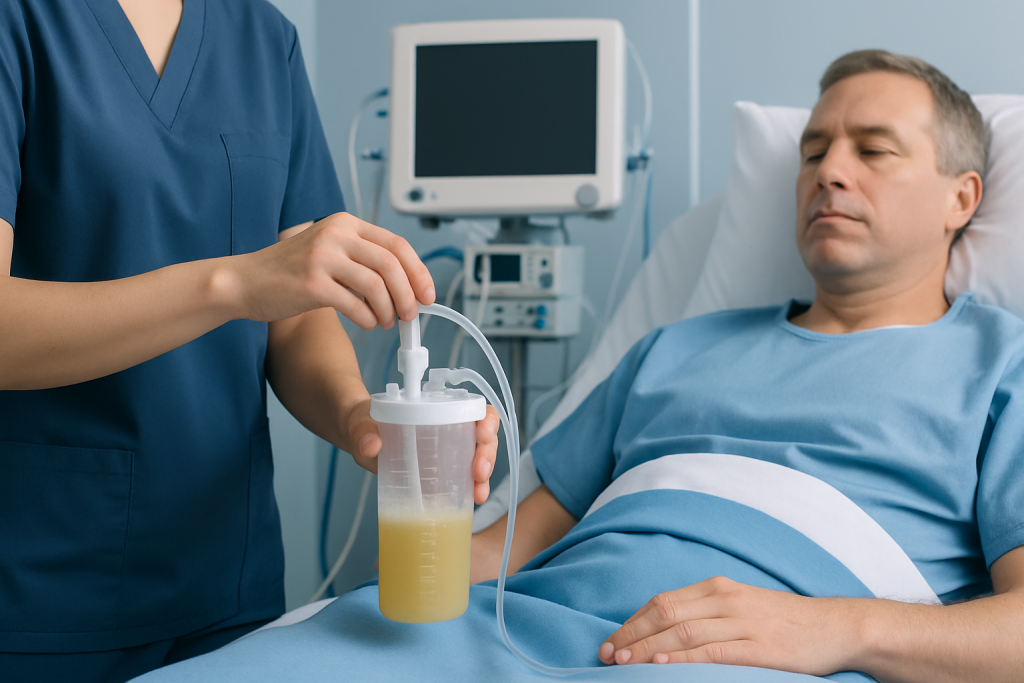
The most obvious sign is the drainage itself. Pus may be thick rather than watery, and it can collect on dressings, seep from a wound, or leak from an opening in the skin. The surrounding area may also look red, swollen, or warm.
Other symptoms often depend on where the drainage is coming from. A person may notice pain, tenderness, itching, limited movement, or a feeling of pressure. Fever, chills, fatigue, or swollen nearby lymph nodes can suggest that the body is dealing with a more active infection.
- Thick, cloudy, or colored discharge
- Redness or warmth around the area
- Increasing pain or tenderness
- Swelling, foul odor, or delayed healing
- Fever or general illness in some cases
If drainage follows surgery or a procedure, a change in color, amount, or smell should be mentioned to the care team, especially if it is different from what was expected during recovery.
Causes & Risk Factors

Purulent drainage usually develops when germs enter a wound or a body cavity and the immune system sends white blood cells to fight the infection. The fluid that results from this process is what people often call pus. In some cases, the cause is a blocked gland or a pocket of infection called an abscess.
Common sources include cuts, scrapes, surgical incisions, skin boils, infected hair follicles, bites, and pressure sores. Drainage can also arise from ear infections, dental infections, sinus infections, or infected cysts. Less commonly, it may occur around medical devices, drains, or catheter sites.
Certain factors make infection more likely or make healing slower. These include diabetes, poor blood flow, smoking, immune system problems, recent surgery, deep or contaminated wounds, and difficulty keeping the area clean and dry. A person who is traveling, changing climates, or moving between clinics may also find wound care harder to maintain consistently, which is why clear follow-up instructions matter.
Diagnosis
Diagnosis begins with a careful look at the drainage and the skin or tissue around it. A clinician will usually ask when the symptom started, whether it is changing, whether there is pain or fever, and whether any injury, procedure, or dental issue came first.
If needed, the clinician may take a sample of the drainage for laboratory testing. This can help identify the type of germ involved and guide treatment choices. In some situations, blood tests, imaging, or a physical examination of a deeper area are used to check whether an abscess, bone infection, or another source is present.
For patients seeking care away from home, bringing prior medical records, procedure notes, and a list of medicines can make evaluation faster and more accurate. Even a photo showing how the drainage has changed over time may help a clinician understand the course of the problem.
Treatment Options
Treatment depends on the source of the drainage. A simple infected wound may need cleaning, dressing changes, and close monitoring, while an abscess may need to be opened and drained by a clinician. If the infection is bacterial and antibiotics are appropriate, a doctor will choose the most suitable option based on the likely cause and test results when available.
It is important not to squeeze, pick, or try to puncture a draining area at home. That can push infection deeper or damage nearby tissue. Gentle cleaning and proper coverage are usually safer than aggressive handling.
When the cause is a surgical site, the care team may adjust dressings, recommend follow-up visits, or investigate whether a stitch reaction, fluid collection, or deeper infection is present. If foreign material, a dental source, or a blocked gland is involved, treatment may need to address that specific problem as well.
People who are receiving Varicose Vein Treatment Abroad: When Stockings Are Enough and When Procedures Help More" class="ahp-ilk">treatment abroad may benefit from a coordinated plan that includes translation of medical notes, clear wound-care instructions, and a follow-up appointment schedule before returning home. Acibadem Health Point’s multidisciplinary specialists and JCI-accredited hospitals diagnose and treat this condition for international patients.
Prevention & Self-care
Not every case can be prevented, but good basic care lowers the chance of infection and helps wounds heal. Clean cuts and scrapes with mild water and soap, keep them covered when advised, and change dressings as instructed. Hands should be washed before and after touching any draining area.
Supporting healing also means reducing the factors that slow recovery. Adequate nutrition, good hydration, and careful control of conditions such as diabetes can make a meaningful difference. Smokers are often encouraged to stop, since smoking can impair circulation and delay tissue repair.
- Follow the wound-care plan exactly as given
- Keep the area clean and dry unless told otherwise
- Use antibiotics only as prescribed, if they are recommended
- Avoid sharing towels, dressings, or personal items
- Watch for new redness, smell, pain, or fever
When a patient is recovering far from home, written instructions and a clear contact plan are especially useful. A simple photo log of the wound can also help a clinician track whether healing is improving or drifting in the wrong direction.
When to See a Doctor
Medical evaluation is advisable whenever purulent drainage appears for the first time, after surgery, or after a wound that seemed to be healing suddenly changes. A doctor should also be contacted if the drainage increases, becomes foul-smelling, or is accompanied by worsening pain or redness.
Urgent care may be needed if there is fever, spreading redness, severe swelling, confusion, trouble moving the affected area, or a patient feels generally unwell. These signs can mean the infection is spreading or a deeper structure is involved.
People with diabetes, weakened immunity, or poor circulation should seek advice early, even if symptoms seem mild. In those situations, small infections can become more complicated, so prompt assessment is a practical way to protect recovery and avoid unnecessary setbacks.
Frequently asked questions
Is purulent drainage always a sign of infection?
Most of the time, purulent drainage is associated with infection, but the exact cause can vary. It may come from a wound, an abscess, a surgical site, or another inflamed area, so a clinician should assess it rather than assuming the reason.
What does purulent drainage look like?
It is often thick and cloudy and may be yellow, green, white, or beige. It can also have an unpleasant odor, especially if the area is infected or has been draining for a while.
Should a person stop cleaning a wound if there is pus?
No, the area should still be cleaned gently according to medical instructions. What should be avoided is squeezing, picking, or trying to drain it at home, because that can worsen the problem.
Do all cases of purulent drainage need antibiotics?
Not necessarily. Some cases improve with proper cleaning, drainage, or removal of the underlying cause, while others do need antibiotics. A doctor decides based on the source, severity, and test results when available.
Can purulent drainage happen after surgery?
Yes, and it should be reported to the surgical team because it may signal an infection or another healing issue. Early review helps the team decide whether the wound only needs closer care or whether additional treatment is required.
What information helps a doctor most during evaluation?
The timing, color, smell, and amount of drainage are useful details, along with any fever, pain, injury, or recent procedure. If the patient is traveling or seeking care abroad, prior records and medication lists are especially helpful.
References
- World Health Organization
- Centers for Disease Control and Prevention
- Mayo Clinic
- NHS
This article is for general information only and is not a substitute for professional medical advice. Please consult a qualified doctor about your individual situation.