Pulmonary Lymphangioleiomyomatosis (PLS)

Key Takeaways
- A short or unclear title can still be approached through careful symptom review and medical history.
- Many health concerns are best understood by looking at patterns, timing, and associated symptoms.
- Diagnosis usually starts with a conversation, an examination, and only then targeted tests if needed.
- Treatment depends on the underlying cause and may include observation, medicines, lifestyle changes, or procedures.
- Follow-up matters, especially for international patients coordinating care across different locations.
Medically reviewed by the Acıbadem clinical team — August 19, 2026
Pls is presented here as a general health topic with a practical, patient-friendly focus on how to understand symptoms, seek assessment, and follow safe care advice. Because the title is abbreviated, this article explains the basics of medical evaluation and when a doctor’s opinion is especially helpful.
Overview
Because “Pls” is an abbreviated title, the safest and most useful approach is to treat it as a prompt for general health guidance rather than a specific diagnosis. In everyday medical practice, the first step is often not naming a condition right away, but understanding what the person is feeling, when it started, and whether anything makes it better or worse.
That same approach is helpful for people arranging care from another country. A clear symptom history, previous test results, medication list, and any imaging or lab reports can make an appointment more efficient and reduce duplication. Whether the concern is minor or more persistent, a structured review helps a clinician decide what matters most.
General health problems can range from temporary discomfort to signs of a condition that needs ongoing attention. The goal is not to guess, but to sort information carefully and choose the right level of assessment. That is often the most reassuring path for patients and families.
Symptoms
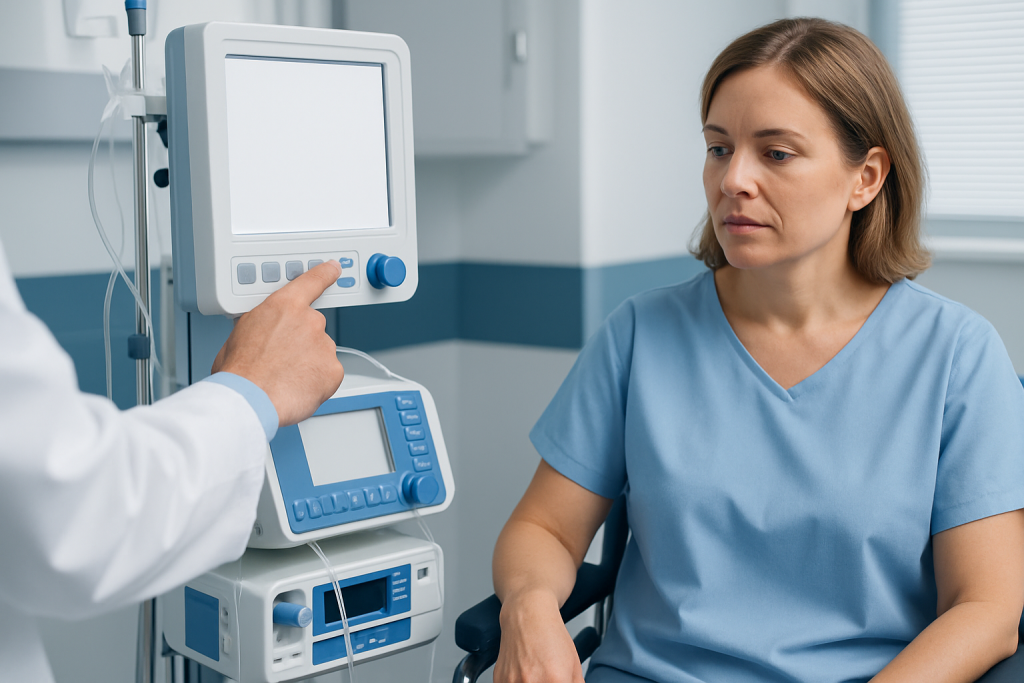
Symptoms vary widely depending on the underlying issue, but several patterns are especially important in general health assessment. These may include pain, fatigue, fever, digestive upset, shortness of breath, dizziness, skin changes, swelling, or changes in appetite, sleep, mood, or energy.
It also helps to notice how symptoms behave over time. A problem that appears suddenly, comes and goes, worsens with activity, or affects daily routines may point in different directions. Clinicians often ask where a symptom is felt, how strong it is, what it feels like, and whether it is linked to meals, movement, stress, or medication use.
Some symptoms deserve closer attention because they may indicate that the body is under more strain. Examples include persistent symptoms that do not improve, symptoms that interfere with eating or drinking, repeated vomiting or diarrhea, unexplained weight loss, chest discomfort, confusion, or any new symptom in someone with known chronic illness.
- What changed first: pain, fever, fatigue, or another symptom?
- How long the symptom has been present
- Whether it is constant or comes and goes
- Any triggers, relieving factors, or related symptoms
- Any prior treatments and how the body responded
Causes & Risk Factors

There is no single cause behind a general health concern. The underlying reason may be an infection, inflammation, injury, medication effect, stress-related symptoms, chronic disease, hormonal change, or a problem in a specific organ system. In many cases, the symptom itself is only the visible part of a larger picture.
Risk factors also vary by the condition being considered. Age, family history, smoking, alcohol use, diet, physical activity, work exposures, sleep quality, existing medical conditions, and recent travel can all matter. For international patients, time zone changes, long flights, dehydration, and interruptions in regular routines can also influence how symptoms are experienced.
Doctors usually look for patterns that connect the symptom with the person’s broader health background. This includes prior surgeries, recent infections, allergies, current medicines, supplements, and whether similar problems have occurred before. The more complete the history, the easier it is to narrow down likely causes safely.
Diagnosis
Diagnosis usually begins with a conversation. A clinician will ask when the symptom started, what it feels like, what worsens it, and whether other body systems are involved. A physical examination often follows, because simple findings such as tenderness, swelling, fever, breathing pattern, or skin color can guide the next step.
Depending on the concern, tests may be helpful. These can include blood work, urine studies, imaging such as ultrasound or X-ray, heart tracing, stool tests, or specialist assessment. Not every symptom needs extensive testing, and sometimes careful observation is the most appropriate path if the problem appears mild and self-limited.
For patients traveling for treatment, diagnosis may be coordinated before arrival or completed soon after reaching the hospital. Bringing prior reports, translated summaries if available, and a timeline of symptoms can save time. It also helps the care team compare past findings with the current situation.
Treatment Options
Treatment depends entirely on the cause, which is why accurate diagnosis matters. Some concerns improve with rest, hydration, monitoring, and a short period of supportive care. Others may require prescription medicines, injections, rehabilitation, dietary changes, or a procedure.
When treatment is needed, clinicians usually aim for two goals: relieve the current symptom and address the reason it developed. For example, a fever may be treated supportively while the source is identified, while a chronic condition may need long-term management and follow-up appointments.
It is best not to self-treat persistent or unexplained symptoms with multiple over-the-counter products at once, because that can blur the clinical picture or cause side effects. A doctor can suggest a plan that fits the person’s age, medical history, and current medications, especially if travel or follow-up across borders is involved.
- Observation and follow-up for mild, improving symptoms
- Medicines prescribed to treat the underlying cause
- Supportive care such as fluids, rest, or symptom relief
- Rehabilitation or therapy when function has been affected
- Procedures or specialist care when conservative measures are not enough
Prevention & Self-care
Prevention starts with the basics: enough sleep, balanced meals, regular movement, hydration, and keeping routine health checks up to date. These habits do not prevent every illness, but they can support recovery and help the body cope better with everyday stress.
Good self-care also means paying attention early. Keeping a simple symptom note with the date, triggers, temperature, pain level, or related changes can be very useful. This is especially helpful when a patient is seeing a doctor in a different country or may have limited time for consultation.
Medication safety matters as well. Taking medicines exactly as prescribed, avoiding unapproved combinations, and telling the doctor about supplements or herbal products can prevent avoidable problems. If a condition has already been diagnosed, following the recommended review schedule is part of prevention too.
- Keep a list of current medicines and allergies
- Bring previous test results and discharge summaries to appointments
- Stay hydrated during long trips and after illness
- Resume activity gradually after an episode of weakness or pain
- Seek advice before stopping long-term medication
When to See a Doctor
Medical assessment is a good idea when symptoms are new, persistent, worsening, or unexplained. It is also important to seek help if a symptom affects daily life, sleep, eating, walking, breathing, or concentration. Even when the issue seems mild, a clinician can help distinguish a temporary problem from one that needs further attention.
Urgent evaluation is especially important if there is chest pain, severe shortness of breath, fainting, confusion, sudden weakness, blood in vomit or stool, a high fever that does not settle, or severe dehydration. These situations should not be monitored at home without professional guidance.
For international patients, the timing of care can matter. If follow-up may be difficult after returning home, it is wise to discuss a clear plan before travel ends. Acibadem Health Point can help international patients with multidisciplinary specialists and JCI-accredited hospitals that diagnose and treat a wide range of conditions in a coordinated setting.
Living With Ongoing Symptoms
When a health problem lasts longer than expected, the focus often shifts from “What is this?” to “How does it affect everyday life?” That question matters because sleep, mood, mobility, work, and appetite can all be influenced even by symptoms that are not dramatic.
Patients usually do best when they have a simple plan they can follow. That may include a medicine schedule, activity guidance, warning signs to watch for, and a follow-up date. If symptoms change, the plan should be reviewed rather than adjusted on guesswork.
Support from family members, interpreters, and care coordinators can make ongoing treatment easier, particularly when care starts in one country and continues in another. Clear communication helps keep the next step understandable and manageable.
Practical Questions to Prepare for an Appointment
Before seeing a doctor, it helps to write down the main symptom in plain language. A short timeline is often more useful than a long description, especially if the issue has changed over time. Patients can also note what they were doing when the symptom started, what they tried at home, and whether anything helped.
It is also smart to prepare a medical summary. This may include recent diagnoses, past surgeries, allergies, medicine names, and any scans or lab reports. If the visit is part of medical travel, having these documents ready can make discussion smoother and help the team move efficiently from evaluation to next steps.
Good preparation does not replace medical judgment, but it supports it. The more precise the information, the easier it is for the clinician to decide what is normal, what needs testing, and what can safely be watched over time.
Frequently asked questions
What does “Pls” mean in this article?
Because the title is abbreviated and not tied to one defined diagnosis, it is treated here as a general health prompt. The article focuses on how symptoms are assessed, diagnosed, and managed in a safe, patient-friendly way.
Can someone self-diagnose from symptoms alone?
Self-diagnosis is often unreliable because many conditions share similar symptoms. A doctor can use the full history, examination, and tests if needed to reach a more accurate conclusion.
When is a symptom considered concerning?
A symptom becomes more concerning when it is severe, sudden, persistent, or getting worse, or when it affects breathing, consciousness, eating, or mobility. Symptoms that come with fever, bleeding, chest discomfort, or confusion should be assessed promptly.
What should an international patient bring to an appointment?
It helps to bring previous reports, a medication list, allergy information, and a timeline of symptoms. If available, translated summaries can make the consultation faster and clearer.
Are all symptoms treated with medicine?
No. Some symptoms improve with rest, hydration, monitoring, rehabilitation, or a change in daily habits. Treatment depends on the cause, so the first step is usually to understand what is driving the symptom.
What if the symptom improves before the appointment?
That can still be worth discussing, especially if the symptom was unusual, severe, or has returned before. The pattern over time often gives the doctor important clues even if the issue is quieter on the day of the visit.
References
- World Health Organization
- Mayo Clinic
- National Institutes of Health
- NHS
- Merck Manual Professional Edition
This article is for general information only and is not a substitute for professional medical advice. Please consult a qualified doctor about your individual situation.
Explore treatments in Turkey — costs, top hospitals & a free quote
JCI-accredited · board-certified surgeons · reply within 24h
Add us as a Preferred Source to see more of our trusted health content across Google Search, AI Overviews and Discover.