Pubisa

Key Takeaways
- Pubisa is a descriptive term for a rash or irritation in the pubic region, not a single diagnosis.
- Common causes include shaving irritation, contact dermatitis, fungal infection, lice, eczema, and some sexually transmitted infections.
- The appearance of the rash, timing, itching, pain, and any discharge help doctors narrow the cause.
- Gentle hygiene, avoiding irritants, and not scratching can reduce discomfort while the skin heals.
- Persistent, painful, spreading, or recurrent symptoms deserve medical evaluation to identify the underlying cause.
Pubisa refers to a rash or irritation affecting the pubic area, which can have several different causes ranging from friction and shaving to infections or skin conditions. Understanding the pattern of symptoms helps guide the right evaluation and treatment.
Overview
Pubisa is best understood as a symptom pattern rather than a named disease. It usually describes redness, bumps, itching, burning, scaling, or soreness in the pubic region, where hair, sweat, friction, and skin-fold moisture can all affect the skin’s balance.
Because the pubic area is sensitive and exposed to frequent shaving, waxing, tight clothing, detergents, and sexual contact, even a minor trigger can cause noticeable irritation. In other cases, the same-looking rash may come from a fungal infection, insect infestation, eczema, or an infection that needs specific treatment.
For people arranging care from another country, the useful first step is not trying to label the rash at home, but noting what it looks and feels like, how long it has been present, and whether any other symptoms are developing. That information helps a clinician decide which tests, if any, are needed and what type of treatment is most appropriate.
Symptoms
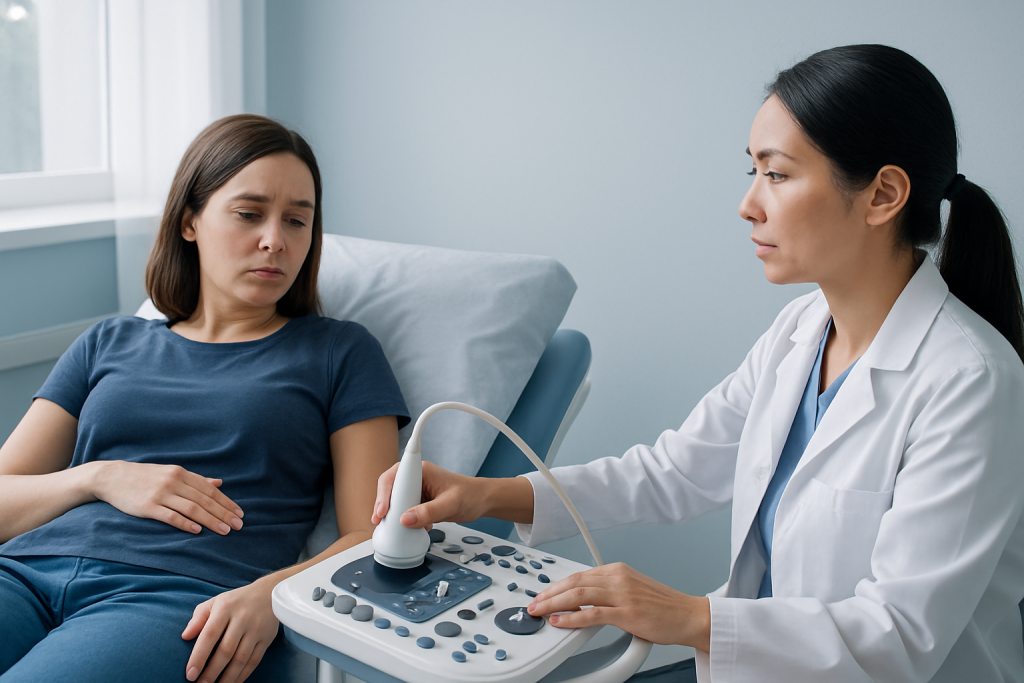
The symptoms of pubisa vary with the cause, but several patterns are common. Some people notice mild pinkness and tenderness after shaving; others develop clusters of bumps, a moist rash in skin folds, or intense itching that is worse at night.
Possible symptoms include:
- Itching, stinging, or burning in the pubic area
- Redness, bumps, or a patchy rash
- Flaking, scaling, or dry skin
- Ingrown hairs or small pustules around hair follicles
- Pain, swelling, or warmth if the skin is more inflamed
- Discharge, sores, blisters, or crusting in some infections
The pattern matters. A rash that appears shortly after hair removal often points toward irritation, while a spreading rash with ring-shaped borders may suggest a fungal infection. Itching with visible lice or nits, sores, or a rash after new sexual contact may need a different assessment.
Causes & Risk Factors

Several very different conditions can create pubisa, which is why a careful history is so important. Friction from exercise, tight clothing, or prolonged sweating can inflame the skin, especially when combined with shaving or waxing.
Other common causes include contact dermatitis from soaps, fragrance, laundry products, condoms, lubricants, or topical creams. Fungal infections such as tinea cruris, yeast overgrowth, folliculitis, eczema, psoriasis, pubic lice, and certain sexually transmitted infections can also affect this area.
Risk tends to increase when the skin barrier is repeatedly disturbed. Factors may include:
- Shaving, waxing, or using hair-removal creams
- Hot, humid weather or heavy sweating
- Tight, non-breathable clothing
- New skincare, hygiene, or laundry products
- Close skin-to-skin contact or sexual exposure
- Diabetes, immune suppression, or a history of eczema or fungal infections
Understanding the likely trigger helps narrow whether the problem is mainly inflammatory, infectious, or mechanical. That distinction is important because the right treatment for one cause may not help another.
Diagnosis
Doctors usually begin with a conversation and a visual examination. They may ask when the rash started, whether shaving, sweating, new products, or sexual contact occurred beforehand, and whether there are symptoms elsewhere on the body.
If the appearance is not clear, a clinician may recommend simple tests. These can include a skin scraping for fungus, a swab if there is discharge or open skin, or an inspection for lice or nits. In some cases, STI testing may be appropriate, especially if there are sores, blisters, unusual discharge, or recent exposure risk.
Diagnosis is often practical rather than elaborate. The goal is to identify the true source of irritation so the treatment matches the problem, while also ruling out conditions that may need partner treatment, prescription medication, or follow-up.
Treatment Options
Treatment depends entirely on the cause. Mild irritation from shaving or friction may improve with time, gentle cleansing, and avoiding the trigger, while fungal infections may need antifungal medicine and eczema may respond to anti-inflammatory skin treatment prescribed by a doctor.
If pubic lice are present, treatment typically focuses on eliminating the infestation and cleaning clothing and bedding as advised by a clinician. Bacterial folliculitis or more extensive skin infection may require prescription therapy. When an STI is involved, the treatment plan may also include testing or treatment for partners and clear follow-up guidance.
Common treatment approaches may include:
- Stopping shaving, waxing, or other skin trauma until healing occurs
- Using doctor-recommended topical creams or ointments
- Keeping the area clean and dry without over-washing
- Avoiding self-treatment with multiple products that may worsen irritation
- Treating any confirmed infection or inflammation based on the diagnosis
For international patients, coordinated dermatology and gynecology or urology input can be helpful when symptoms overlap with other concerns. Acibadem Health Point’s multidisciplinary specialists and JCI-accredited hospitals diagnose and treat this condition for international patients, which can simplify evaluation when a rash has more than one possible cause.
Prevention & Self-care
Many cases of pubisa improve when the skin is given a calmer routine. Using mild, fragrance-free cleansers and wearing loose, breathable underwear can reduce friction and moisture buildup. If shaving is a frequent trigger, pausing hair removal or using a gentler technique after recovery may help prevent recurrence.
It is also wise to avoid scratching, even when itching is strong. Scratching can break the skin barrier and make inflammation or infection worse. Cool compresses, careful drying after bathing, and changing out of sweaty clothing promptly may provide simple relief.
Helpful self-care habits include:
- Choose fragrance-free laundry and body products
- Keep the area dry but do not scrub aggressively
- Wear breathable fabrics during exercise and hot weather
- Avoid sharing towels, razors, or personal grooming tools
- Use only clinician-approved creams if the cause is uncertain
If the rash keeps returning, it may be worth reviewing grooming habits, clothing choices, and any products used on the skin. Recurring symptoms often have a repeating trigger that can be identified with a careful review.
When to See a Doctor
Medical review is a good idea if the rash does not improve within a reasonable time, becomes more painful, spreads, or keeps returning. Evaluation is especially important when there are blisters, open sores, pus, fever, swelling, or pain with urination.
A doctor should also be consulted if there is uncertainty about the cause, because similar-looking rashes can require very different treatment. This is particularly true when symptoms follow sexual exposure, when there is concern about pubic lice or an STI, or when a person has diabetes, weakened immunity, or severe eczema.
Prompt assessment does not mean something serious is expected; it simply helps avoid unnecessary trial-and-error treatments and shortens the time to recovery. A clear diagnosis is often the fastest path to comfort.
Living With Pubisa During Travel or Recovery
When symptoms begin before a trip or while away from home, the practical challenge is usually staying comfortable until the skin can be examined properly. Packing loose underwear, a gentle cleanser, and any prescribed treatment in the original packaging can make follow-up easier if care is needed abroad.
If a clinician recommends testing or treatment, travelers should ask how soon the skin should be rechecked and whether any precautions apply during intimacy, exercise, or swimming. Clear instructions are especially useful when continuing care across borders, since access to the same products or follow-up appointments may differ.
Pubisa is often manageable, but the most effective plan depends on identifying the cause rather than treating the rash as one fixed condition. With the right evaluation, most people can return to normal routines with less discomfort and a lower chance of recurrence.
Frequently asked questions
Is pubisa a specific disease?
No. Pubisa is a descriptive term for irritation or a rash in the pubic area. The underlying cause may be simple friction, a skin condition, or an infection that needs targeted treatment.
Can shaving cause pubisa?
Yes, shaving is a common trigger. It can lead to razor burn, ingrown hairs, folliculitis, or general irritation, especially if the skin is already sensitive or if tight clothing adds friction.
Does pubisa always mean an STI?
No. Many cases are not related to sexually transmitted infections at all. However, sores, blisters, unusual discharge, or symptoms after sexual contact should be checked by a doctor.
What can be done at home first?
Gentle cleansing, avoiding scratching, stopping hair removal temporarily, and wearing loose breathable clothing may help. It is best to avoid mixing multiple over-the-counter creams before the cause is known, because some products can worsen irritation.
How do doctors tell the difference between causes?
They look at the rash pattern, ask about recent shaving, products, sweating, and exposures, and may use simple tests if needed. This approach helps separate irritation from fungal, allergic, parasitic, or infectious causes.
When should pubisa be checked urgently?
Urgent evaluation is sensible if there is severe pain, spreading redness, fever, open sores, pus, or trouble urinating. These signs may suggest a more significant infection or another condition that needs prompt attention.
References
This article is for general information only and is not a substitute for professional medical advice. Please consult a qualified doctor about your individual situation.
Hair transplant in Turkey — costs, graft counts & a free assessment
JCI-accredited · board-certified surgeons · reply within 24h
Add us as a Preferred Source to see more of our trusted health content across Google Search, AI Overviews and Discover.