Prostatitis: Symptoms, Causes and Treatment

Key Takeaways
- Prostatitis can be acute or chronic, and the causes are not the same in every case.
- Symptoms often include pelvic pain, urinary urgency, painful urination, and discomfort during ejaculation.
- Diagnosis may involve a history, physical exam, urine tests, and sometimes imaging or other specialist tests.
- Treatment is guided by the type of prostatitis and may include medicines, supportive care, and lifestyle changes.
- Prompt medical attention is important if fever, urinary retention, or severe pain develops.
Medically reviewed by the Acıbadem clinical team — August 19, 2026
Prostatitis is inflammation or irritation of the prostate gland that can cause pelvic discomfort, urinary changes, and sometimes flu-like symptoms. Care depends on the type of prostatitis, with treatment ranging from antibiotics to symptom-focused therapies and follow-up from a qualified doctor.
Overview
Prostatitis refers to inflammation of the prostate gland, a small organ below the bladder that helps produce semen. Although the name sounds straightforward, the condition is not a single illness; it includes several patterns, from sudden bacterial infection to long-lasting pelvic discomfort that has no clear infection.
For many men, the first clue is not a textbook symptom but a disruptive change in daily life: trips to the bathroom become more frequent, sitting feels uncomfortable, or pelvic pain makes travel, work, and sleep harder than usual. Because the experience can vary widely, understanding the specific type of prostatitis is the key to getting the right care.
Men who are considering Kidney Stone Treatment Abroad: When You Can Wait, When You Cannot" class="ahp-ilk">treatment abroad often want clarity before they travel. A careful evaluation can help determine whether symptoms suggest infection, muscle tension, bladder irritation, or another prostate-related problem, which in turn shapes the safest plan for diagnosis and follow-up.
Symptoms
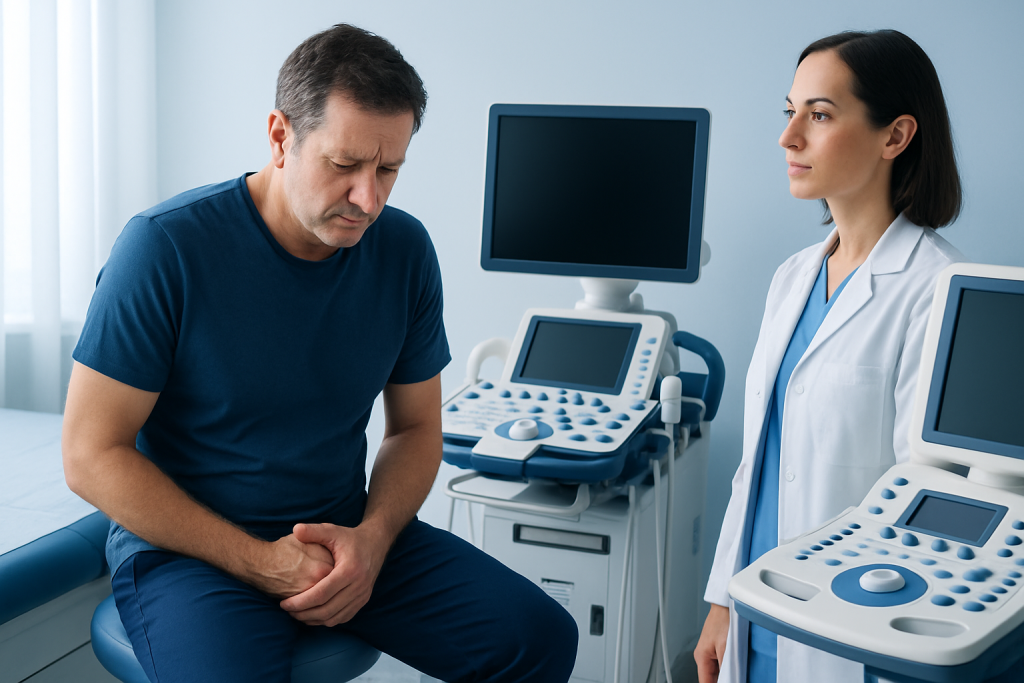
Symptoms depend on the form of prostatitis, but several patterns are common. Pain may be felt in the lower abdomen, groin, perineum, lower back, or during ejaculation. Urinary symptoms can include urgency, frequency, a weak stream, hesitancy, or a burning sensation when passing urine.
In acute bacterial prostatitis, symptoms often appear suddenly and can be more intense. Fever, chills, body aches, and feeling unwell may occur along with pelvic or urinary pain. This form needs prompt medical assessment because infection can spread if not treated appropriately.
Chronic prostatitis or chronic pelvic pain syndrome tends to be more prolonged and less dramatic, but it may be equally frustrating. Symptoms may come and go, affecting sleep, exercise, sexual comfort, and concentration. Some men also notice anxiety around urination or pain episodes because the pattern can be unpredictable.
- Pelvic, groin, or testicular discomfort
- Pain or burning when urinating
- Urgent or frequent urination
- Pain during or after ejaculation
- Fever or chills in acute infection
Causes & Risk Factors
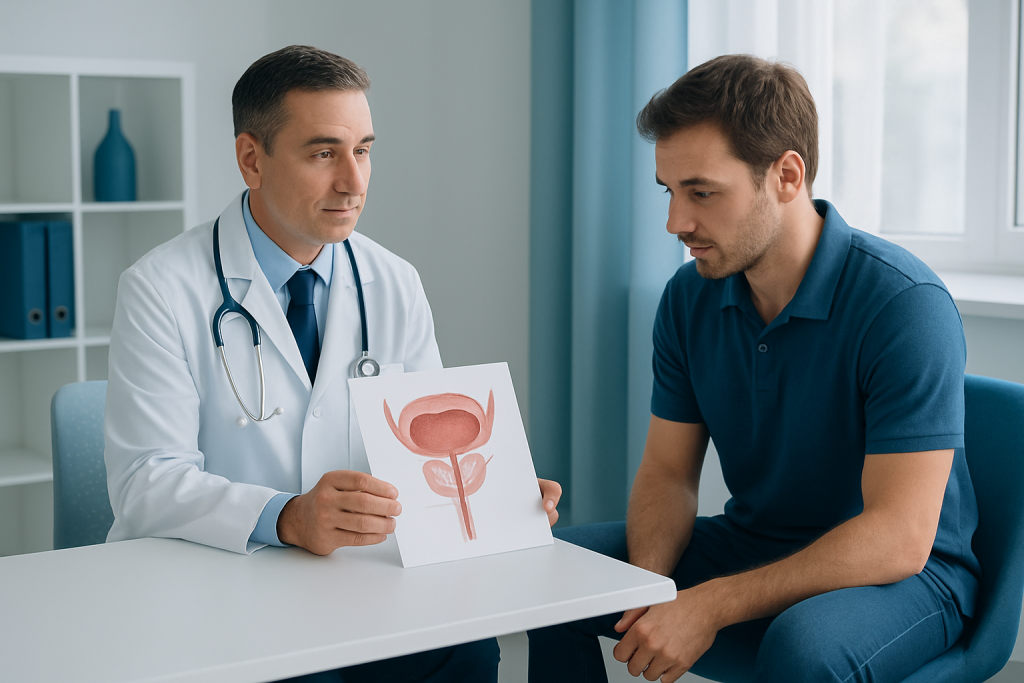
The cause of prostatitis depends on the subtype. Acute and chronic bacterial prostatitis are caused by bacteria that reach the prostate, sometimes from the urinary tract. In other cases, especially chronic pelvic pain syndrome, no active bacterial infection is found, and the symptoms may reflect a combination of inflammation, pelvic floor muscle tension, nerve sensitivity, or bladder-related factors.
Risk can increase after a urinary tract infection, use of a urinary catheter, recent prostate procedures, or other situations that allow bacteria to enter the urinary system. Men with a history of recurring urinary problems may also be more likely to develop bacterial prostatitis.
Chronic symptoms may be more likely when pelvic muscles stay tense, stress is high, or repeated irritation continues without a clear trigger. While the exact mechanism is not always obvious, this does not mean symptoms are imagined. It means the condition often needs a broader assessment than a simple infection workup.
Some men arriving for international care have already tried several short courses of treatment without a clear answer. In that setting, a detailed review of previous tests, medications, and symptom patterns can help the specialist identify what has been missed and what can be safely adjusted.
Diagnosis
Diagnosis usually begins with a conversation about symptoms, urinary changes, sexual discomfort, fever, and any previous urinary infections or procedures. A physical examination, including a prostate exam when appropriate, may help assess tenderness or enlargement. The goal is not only to confirm prostatitis, but also to distinguish it from urinary tract infection, enlarged prostate, or other pelvic conditions.
Urine tests are commonly used to look for infection or inflammation. In some cases, additional tests may include a urine culture, blood work, or imaging if complications are suspected. If symptoms are persistent or complex, a urologist may consider other investigations to rule out structural or functional causes.
For patients traveling from another country, bringing past reports, scan images, and medication lists can shorten the path to an answer. Even when the earlier diagnosis was uncertain, a specialist can often use the history and current findings to build a clearer plan for treatment and follow-up after return home.
Treatment Options
Treatment depends on the type of prostatitis. When bacteria are present, antibiotics are usually the mainstay, chosen according to the likely organism and test results when available. If symptoms are severe or there is fever, urgent treatment and close monitoring may be needed.
For chronic prostatitis or chronic pelvic pain syndrome, care is often more individualized. Doctors may use pain-relieving medicines, medications that improve urinary flow, or therapies aimed at reducing pelvic floor tension. Some men benefit from physical therapy focused on the pelvic floor, especially when muscle tightness contributes to pain.
Supportive measures can also play an important role. Warm baths, regular hydration, avoiding bladder irritants, and planning rest during flare-ups may ease symptoms. A clinician may also discuss sexual activity, exercise choices, and stress management, since these factors can influence how symptoms are experienced.
Treatment plans are best adjusted over time rather than judged by a single day’s improvement. If one approach is not working, a follow-up visit may reveal that the diagnosis needs refining or that another therapy is a better fit for the specific prostatitis pattern.
Prevention & Self-care
Not every case of prostatitis can be prevented, but some habits may lower irritation and help the body recover. Staying well hydrated, avoiding prolonged sitting when possible, and responding early to urinary symptoms can reduce discomfort for some men. Gentle movement may also be preferable to long periods of inactivity during a flare.
Self-care is most useful when it supports, rather than replaces, medical treatment. Men with chronic symptoms often do better when they track triggers, note how stress, cycling, alcohol, or certain foods affect them, and share those patterns with their doctor. Simple symptom notes can help a specialist distinguish between infection, muscle-related pain, and bladder irritation.
For men recovering while abroad or after a medical trip, it is reasonable to plan follow-up before leaving the treatment center. Clear instructions on medicines, warning signs, and who to contact after returning home can make recovery smoother and reduce uncertainty.
- Drink adequate fluids unless a doctor advises otherwise
- Avoid long stretches of sitting during painful episodes
- Limit bladder irritants if they worsen symptoms
- Follow prescribed treatment exactly as directed
- Keep follow-up appointments, even if symptoms improve
When to See a Doctor
Medical evaluation is important if urinary symptoms last more than a few days, if pelvic pain keeps returning, or if discomfort interferes with sleep, work, or sexual health. A doctor can determine whether prostatitis is the likely cause or whether another urinary or pelvic condition needs attention.
Urgent care is especially important when prostatitis symptoms come with fever, chills, severe pain, vomiting, confusion, or difficulty passing urine. These findings may indicate acute bacterial prostatitis or a complication that should not wait for a routine appointment.
Men who have already been treated elsewhere and still feel unwell should not assume the condition is permanent. A fresh assessment may uncover an untreated infection, a medication mismatch, or a noninfectious form of prostatitis that responds better to a different strategy. Acibadem Health Point’s multidisciplinary specialists and JCI-accredited hospitals diagnose and treat prostatitis for international patients with coordinated care and follow-up planning.
Frequently asked questions
Is prostatitis the same as an enlarged prostate?
No. Prostatitis means inflammation or irritation of the prostate, while an enlarged prostate is usually benign prostatic hyperplasia. The two conditions can cause some similar urinary symptoms, so a medical evaluation is important for the correct diagnosis.
Can prostatitis go away on its own?
Some mild cases may improve, but symptoms that persist, return, or include fever should be assessed by a doctor. If bacteria are involved, treatment is usually needed to prevent complications and relieve symptoms properly.
Why do symptoms sometimes continue even when tests are negative?
This is common in chronic prostatitis or chronic pelvic pain syndrome, where the problem may not be an active infection. Pelvic muscle tension, nerve sensitivity, or bladder irritation can still cause real symptoms and may need a different treatment approach.
Do antibiotics always help prostatitis?
No. Antibiotics are important for bacterial prostatitis, but they are not always useful when no infection is present. A doctor may choose other therapies if the pattern suggests chronic pelvic pain syndrome rather than infection.
Can prostatitis affect sexual health?
Yes, it can cause pain during ejaculation, worry about sex, or reduced comfort and confidence. These effects are often temporary or manageable, and discussing them with a doctor can help tailor treatment.
What should a traveler bring to a prostatitis appointment abroad?
Past urine tests, imaging reports, medication lists, and any notes about symptom patterns are especially helpful. Bringing this information can save time and make it easier for the specialist to understand what has already been tried.
References
- National Institute of Diabetes and Digestive and Kidney Diseases
- Urology Care Foundation
- Mayo Clinic
- European Association of Urology
- National Health Service
This article is for general information only and is not a substitute for professional medical advice. Please consult a qualified doctor about your individual situation.
Explore treatments in Turkey — costs, top hospitals & a free quote
JCI-accredited · board-certified surgeons · reply within 24h
Add us as a Preferred Source to see more of our trusted health content across Google Search, AI Overviews and Discover.