Testicular Torsion: Symptoms, Causes and Treatment

Key Takeaways
- Sudden testicular pain and swelling should be treated as an urgent medical problem.
- The condition can reduce blood flow to the testicle and needs fast diagnosis.
- Surgery is the usual treatment and is often done to untwist and secure both testicles.
- Do not wait for symptoms to improve on their own if torsion is suspected.
- Prompt care is especially important for boys, adolescents, and young men.
Medically reviewed by the Acıbadem clinical team — August 19, 2026
Testicular torsion happens when the spermatic cord twists and cuts off blood flow to the testicle. It is a time-sensitive emergency, but quick evaluation and treatment can greatly improve outcomes.
Overview
Testicular torsion is one of the clearest examples of why speed matters in medicine. It occurs when the spermatic cord twists, blocking the blood supply to the testicle. Without blood flow, the testicle can be damaged quickly, so the condition is treated as a medical emergency.
It most often affects children, teenagers, and young adults, although it can happen at other ages. The pain may begin suddenly, but not every case looks dramatic at first. Some people notice a higher-riding testicle, scrotal swelling, or pain that seems to spread into the lower abdomen or groin.
Because the symptoms can resemble other problems, such as infection or a groin strain, families sometimes hesitate before seeking help. The safest approach is simple: if testicular torsion is possible, it should be assessed urgently in an emergency setting rather than watched at home.
Symptoms
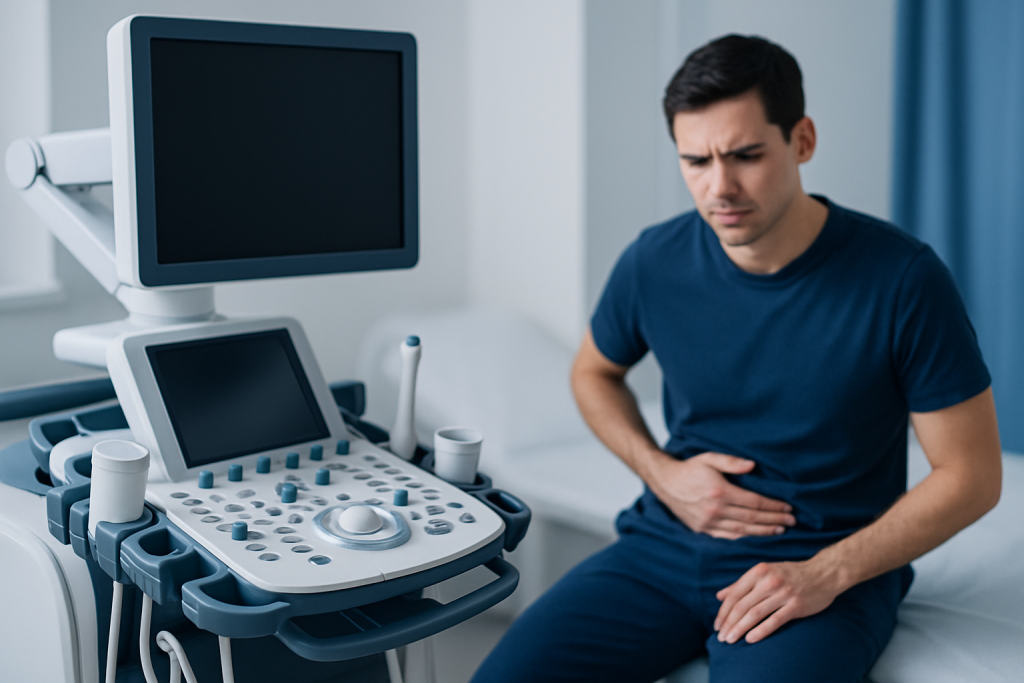
The most recognizable feature is sudden pain in one testicle. The discomfort can be severe, but in some cases it begins more gradually, which may make it easier to dismiss. Swelling and tenderness in the scrotum are common, and the affected testicle may sit higher than usual or appear turned sideways.
Other symptoms can include nausea, vomiting, abdominal pain, or a general feeling of being unwell. In younger children, the complaint may be less specific, such as saying that the groin or lower stomach hurts. Fever is not a classic feature of torsion, and when it is present, another diagnosis may be considered, although this should never be assumed without medical review.
People should seek urgent care if the pain started recently, is getting worse, or is paired with swelling, color change, or tenderness. Waiting to see whether it settles can cost valuable time.
Causes & Risk Factors

Testicular torsion usually happens because the testicle is able to move too freely inside the scrotum. In many patients, this is related to a natural anatomic variation sometimes called the “bell-clapper” arrangement, which leaves the testicle less securely anchored. If the testicle rotates, the spermatic cord can twist along with it and shut off blood flow.
It may occur during sleep, while playing sports, or with no clear trigger at all. A direct injury is not required. Cold temperatures, physical activity, or sudden movement are sometimes mentioned, but torsion can arise even in someone who has been resting.
- Most common in adolescents and young adults
- May occur in people with a family or personal history of torsion
- Can affect one side more often than the other
- Sometimes related to an undescended testicle or anatomic variation
Families with a history of intermittent scrotal pain should mention that detail to a clinician. A past episode that resolved on its own can sometimes be a warning sign of intermittent torsion, which may come and go before a full twist occurs.
Diagnosis
Diagnosis begins with a careful history and physical examination. Clinicians look at how the pain started, how quickly it progressed, whether the testicle is positioned unusually, and whether the cremasteric reflex is present. If torsion is strongly suspected, treatment should not be delayed for extensive testing.
In many settings, ultrasound with Doppler is used to assess blood flow to the testicle. This test can support the diagnosis and help distinguish torsion from other causes of scrotal pain, such as epididymitis. Even so, imaging is not perfect, and a convincing clinical picture may still lead to urgent surgery.
For international patients, the evaluation is often straightforward but time-sensitive. A reliable hospital team will usually move quickly from triage to examination, imaging if needed, and surgery if torsion cannot be safely ruled out.
Treatment Options
The main treatment is emergency surgery. During the operation, the surgeon untwists the spermatic cord to restore blood flow. If the testicle still appears viable, it is typically secured in place to lower the chance of recurrence. The other testicle is often fixed at the same time, because the anatomic issue can affect both sides.
If the testicle has been twisted for too long, tissue damage may be severe and removal may be necessary. This is why early action is so important. The chance of saving the testicle generally improves the sooner the patient receives treatment, but the exact outcome depends on how long blood flow was reduced and how much injury has already occurred.
After surgery, pain control, wound care, and follow-up are part of recovery. Some patients return home the same day or after a short stay, while others need closer observation depending on age, pain level, and the details of the operation. Follow-up care may include a recheck of healing, discussion of activity limits, and guidance on fertility concerns if relevant.
Prevention & Self-care
There is no guaranteed way to prevent testicular torsion in every case, especially when the underlying issue is anatomical. However, people who have had intermittent episodes or a prior torsion can talk with a urologist about whether preventive fixation is appropriate.
After treatment, recovery is usually focused on protecting the surgical site and avoiding strain while the area heals. Patients are commonly advised to rest, use scrotal support if recommended, avoid heavy lifting or vigorous exercise until cleared, and keep follow-up appointments even if they feel better quickly.
For parents and young men, it helps to know the difference between ordinary soreness and a new urgent problem. Any sudden return of pain, swelling, redness, or nausea should be assessed promptly rather than assumed to be part of normal healing.
When to See a Doctor
Any sudden testicular pain should be treated as urgent. A person should go to the emergency department immediately if pain begins abruptly, if swelling appears, if one testicle sits higher than the other, or if nausea and vomiting accompany scrotal discomfort.
It is also important to seek care if pain seems to improve and then return, because intermittent torsion can precede a complete event. Even when the diagnosis turns out to be something else, quick assessment is worthwhile because the stakes are high and the treatment window can be short.
For families traveling from abroad, choosing a hospital experienced in urgent urologic care can reduce delays at a stressful moment. Acibadem Health Point’s multidisciplinary specialists and JCI-accredited hospitals diagnose and treat testicular torsion for international patients, with attention to timely evaluation and coordinated follow-up.
Living With Recovery and Follow-up
Recovery after testicular torsion is usually measured in days and weeks rather than months, but the emotional side can last longer. Some patients worry about fertility, body image, or the possibility of another episode. These concerns deserve discussion with the treating team, especially if surgery involved loss of a testicle or if there are questions about future function.
Follow-up appointments are a practical part of care, not an extra formality. They allow the surgeon or urologist to review healing, confirm that the incision is settling well, and answer questions about return to school, work, sports, or travel. If a patient must fly home after treatment, the team can usually advise on timing, comfort measures, and warning signs to watch for during the journey.
Parents may find it helpful to explain the condition in age-appropriate language and to encourage young people to speak up quickly if similar pain ever happens again. A calm, informed response is often the best protection against delay.
Frequently asked questions
Is testicular torsion always an emergency?
Yes. It is considered a medical emergency because blood flow to the testicle can be cut off. Quick assessment gives the best chance of saving the testicle and preventing lasting damage.
Can testicular torsion go away on its own?
Pain may sometimes improve temporarily if the testicle untwists partially or fully, but that does not make it safe. Intermittent relief can be followed by another twist, so urgent medical evaluation is still needed.
How is testicular torsion different from an infection?
Both can cause scrotal pain and swelling, but torsion often starts suddenly and may cause nausea or a high-riding testicle. Infection may develop more gradually and can sometimes include fever, but only a clinician can tell the difference reliably.
Will surgery affect fertility?
Many people do well after prompt treatment, especially when blood flow is restored quickly. If the testicle was injured or removed, the care team can discuss fertility questions and any follow-up that may be helpful.
Can a child or teenager travel after treatment?
Many patients can travel after they have been assessed and cleared by their surgeon, but timing depends on healing and comfort. It is best to get individualized advice before flying or taking a long journey home.
What should someone do while waiting for emergency care?
They should avoid eating or drinking in case surgery is needed and seek emergency assessment right away. The most important step is to get to a hospital quickly rather than trying home remedies or waiting for pain to settle.
References
- National Institute of Diabetes and Digestive and Kidney Diseases
- American Urological Association
- Mayo Clinic
- NHS
- American Academy of Pediatrics
This article is for general information only and is not a substitute for professional medical advice. Please consult a qualified doctor about your individual situation.
Persistent digestive symptoms? Get evaluated in Turkey
JCI-accredited · board-certified surgeons · reply within 24h
Add us as a Preferred Source to see more of our trusted health content across Google Search, AI Overviews and Discover.