Proform Treadmill

Key Takeaways
- A treadmill can help people build a consistent walking or running routine at home.
- Safe use depends on proper setup, footwear, posture, and gradual training.
- People with heart, joint, balance, or metabolic conditions may need medical guidance before beginning.
- Regular maintenance and attention to machine settings can reduce the risk of injury.
- A treadmill is most useful when it fits the user’s goals, space, and current fitness level.
A Proform treadmill can support walking, jogging, and home-based cardio routines when it is used with a sensible plan and proper safety habits. This guide explains how to choose, use, and maintain a treadmill while keeping exercise appropriate for individual health needs.
Overview
A Proform treadmill is designed to make indoor walking, jogging, and running more accessible at home. For many people, that convenience is the main advantage: weather, daylight, and travel schedules matter less when the machine is already nearby.
It is still worth approaching treadmill exercise as a structured activity rather than an automatic one. A machine can support fitness, but the user still needs a realistic pace, a warm-up, and enough recovery time to avoid overuse. That is especially important for people returning to exercise after a long break or after a medical procedure.
In a home setting, the right treadmill is not simply the one with the most features. It is the one that matches the user’s walking style, available room, weight-bearing needs, and comfort with technology. For international patients or frequent travelers, it may also be useful to think about how easy the machine is to set up, service, or replace parts for over time.
How a Treadmill Supports Fitness
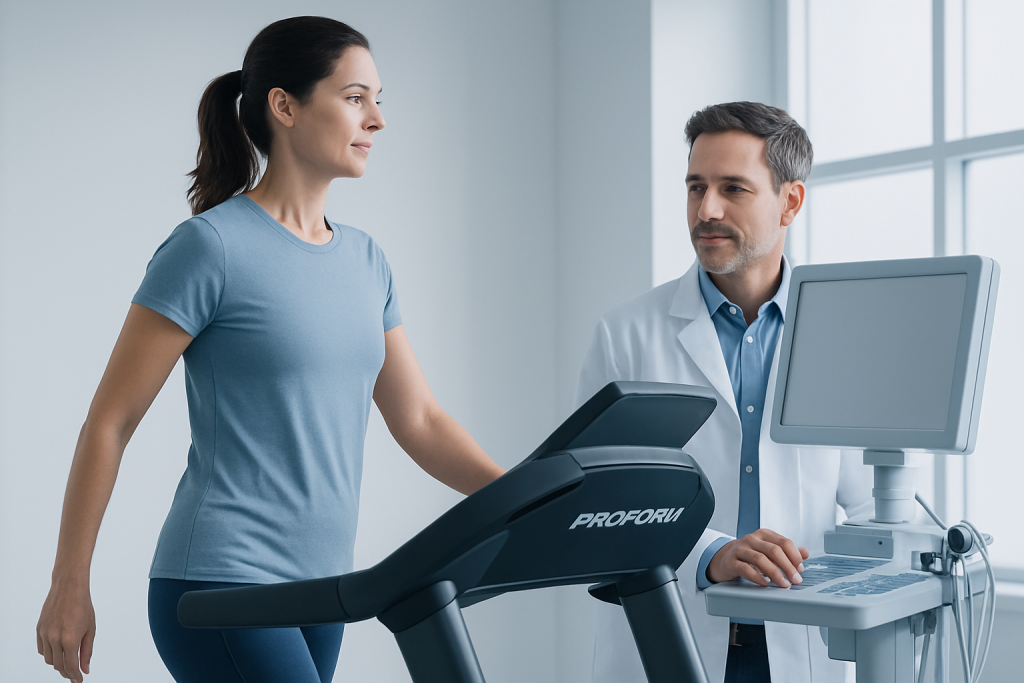
Treadmill workouts can improve cardiovascular endurance, help maintain mobility, and provide a controlled way to increase daily activity. Because speed and incline are adjustable, the machine can be used for gentle walking, brisk intervals, or more demanding runs.
That control is valuable for beginners and for people who prefer predictable exercise conditions. It allows a person to start with short sessions and progress in small steps, which is often easier to sustain than an ambitious plan that is hard to maintain.
For some users, a treadmill may also support rehabilitation goals under professional guidance. Walking at a steady pace can be useful after periods of inactivity, though people recovering from injury, surgery, or illness should follow the recommendations of their clinician or physiotherapist.
- Warm up before increasing speed or incline.
- Use the handrails only for balance, not for leaning.
- Keep the pace comfortable enough to speak in short sentences if beginning a routine.
- Allow rest days when muscles or joints feel unusually sore.
Features People Commonly Look For

Proform treadmills are often considered for features such as incline settings, preset workouts, foldable frames, cushioning systems, and digital displays. These can affect comfort and motivation, but the most useful features depend on the person using the machine.
Cushioning may feel helpful for someone who wants a softer surface than outdoor pavement, while incline options can make walking more challenging without requiring faster speed. A foldable design may matter in a smaller apartment or shared home, especially when the treadmill needs to fit around everyday living.
It is also sensible to check practical details that are easy to overlook before purchase. These include the belt size, maximum user weight, noise level, service support, and whether the console is simple enough to use without repeated troubleshooting.
- Comfort of the walking or running deck
- Stability at the intended speed range
- Easy-to-read controls and safety stop function
- Available space for use and storage
- Maintenance requirements over time
Safety, Form, and Common Mistakes
Most treadmill problems begin with rushing. Starting too fast, holding the rails too tightly, or increasing incline before the body is ready can make exercise feel harder than necessary and may raise the chance of strain or a fall.
Good form is usually straightforward. The user should stand tall, look ahead rather than down at the moving belt, and keep steps natural instead of overstriding. Supportive shoes can make a meaningful difference, especially for people who walk or run regularly.
It is also helpful to pay attention to the machine itself. A treadmill that wobbles, slips, or sounds unusual should be checked before use. When a person is fatigued, distracted, or unwell, it is better to slow down or stop than to push through a session that no longer feels controlled.
- Do not step onto a moving belt without confirming the speed.
- Keep children and pets away from the machine when in use.
- Use the safety key or stop mechanism as intended.
- Stop if chest discomfort, dizziness, or unusual shortness of breath appears.
Who Should Ask a Doctor Before Starting
Many healthy adults can begin treadmill walking with a gradual plan, but some people should seek medical advice first. This includes individuals with known heart disease, uncontrolled blood pressure, diabetes with symptoms of nerve or foot problems, balance disorders, significant joint pain, or a recent injury or surgery.
A clinician may recommend specific limits or suggest supervised exercise if there is any concern about safety. That guidance can be especially important for international patients who are recovering away from home, because follow-up care and access to local rehabilitation services may need to be coordinated in advance.
Medical advice is also wise when a person has been inactive for a long time and wants to start at a higher intensity. A small adjustment to the plan at the beginning can prevent setbacks later and make exercise feel more manageable.
Choosing and Setting Up a Home Treadmill
Before buying or using a treadmill, the surrounding space should be considered carefully. There needs to be enough room for safe entry and exit, plus clearance behind the machine in case the user needs to step off quickly.
Noise, floor stability, and access to an electrical outlet can influence whether the machine fits the household. In a busy home, it may be worth placing the treadmill where exercise can happen consistently without blocking movement through the room.
For people organizing care from another country, practical setup matters just as much as the workout itself. A machine that is easy to assemble, maintain, and adjust is more likely to be used regularly, and regular use is what ultimately makes the equipment worthwhile.
- Measure the intended space before purchase.
- Check floor protection requirements if the machine is heavy.
- Confirm the controls are understandable before the first workout.
- Review warranty and servicing options if support may be needed later.
Prevention & Self-care for Long-Term Use
The best treadmill routine is usually the one a person can repeat without discomfort or burnout. That means beginning with modest sessions, allowing recovery, and increasing duration or intensity in small increments.
Hydration, proper footwear, and attention to muscle tightness all matter. If the body feels unusually stiff, a slower pace or shorter session may be a better choice than abandoning the habit altogether.
It can also help to vary workouts. Some days may be better for a simple walk, while others may suit hills or intervals. Variation keeps the routine interesting and may reduce repetitive stress on the same joints and muscles.
- Increase time, incline, or speed gradually, not all at once.
- Stop if pain changes from mild effort to sharp or persistent discomfort.
- Include rest and cross-training when appropriate.
- Keep the treadmill clean and check the belt, console, and safety features regularly.
When to See a Doctor
Medical review is recommended if treadmill exercise repeatedly causes chest pain, faintness, unusual breathlessness, palpitations, or significant joint swelling. These symptoms do not always mean something serious, but they should be assessed before the routine continues.
It is also sensible to speak with a doctor if a person wants to begin exercising after a major illness, surgery, or a long period of inactivity. The clinician can help decide whether treadmill walking is appropriate and whether any modifications are needed.
For patients traveling for treatment or recovery, a coordinated plan can be especially helpful. Acibadem Health Point’s multidisciplinary specialists and JCI-accredited hospitals diagnose and treat a wide range of conditions for international patients, which can make it easier to align exercise advice with ongoing medical care.
Frequently asked questions
Is a treadmill better than walking outside?
Neither option is universally better. A treadmill offers consistency, speed control, and a climate-controlled environment, while outdoor walking adds variety and fresh air. The better choice is usually the one a person can do safely and regularly.
How long should a beginner use a Proform treadmill?
A beginner often does best with short, manageable sessions rather than long workouts. Starting with a few minutes of walking and gradually increasing time can build tolerance without overwhelming the body.
Can a treadmill help with weight management?
Regular treadmill exercise can support calorie use and improve fitness, which may be helpful for weight management. It works best as part of a broader plan that also includes balanced eating and other healthy habits.
Is it safe to run on a treadmill every day?
Daily running may be appropriate for some experienced exercisers, but many people benefit from rest or lower-intensity days. The right schedule depends on fitness level, recovery, and any joint or medical concerns.
What should someone do if the treadmill feels unstable?
They should stop using it and check the setup before continuing. The machine may need leveling, tightening, or service, and it should not be used while it feels unsafe.
Do people with knee pain have to avoid treadmills?
Not always. Some people with knee pain tolerate walking better than running, especially with proper shoes and moderate settings, but individual assessment is important. A doctor or physiotherapist can help decide what is appropriate.
References
- American Heart Association
- Mayo Clinic
- National Institute on Aging
- Centers for Disease Control and Prevention
This article is for general information only and is not a substitute for professional medical advice. Please consult a qualified doctor about your individual situation.