How To Sober Up Fast

Key Takeaways
- Only time lowers blood alcohol levels; coffee, cold showers, and exercise do not speed this up.
- Water, food, and rest may help a person feel more comfortable, but they do not remove alcohol faster.
- Confusion, repeated vomiting, trouble breathing, or loss of consciousness need immediate medical attention.
- Do not drive, make important decisions, or take sedating medicines after drinking.
- If drinking is frequent or hard to control, a doctor can help assess possible alcohol-related harm.
Many people search for a quick way to sober up after drinking, but the body clears alcohol at its own pace. The safest approach is to support hydration, rest, and monitoring while knowing when urgent medical help is needed.
Overview
There is no reliable shortcut for sobering up fast. Alcohol is processed by the liver at a fairly steady rate, so the body needs time to clear it even if a person feels more alert for a moment.
That reality matters because the most visible signs of intoxication can be misleading. Someone may seem more awake after moving around, drinking water, or having coffee, yet alcohol may still be affecting judgment, balance, and reaction time.
For people trying to get home safely, attend a meeting, or care for children after drinking, the practical goal is not to “erase” alcohol quickly. It is to reduce risk, avoid further harm, and recognize when a medical assessment is needed. This is especially important when travel, unfamiliar surroundings, or being away from trusted family members makes it harder to judge the situation.
Symptoms
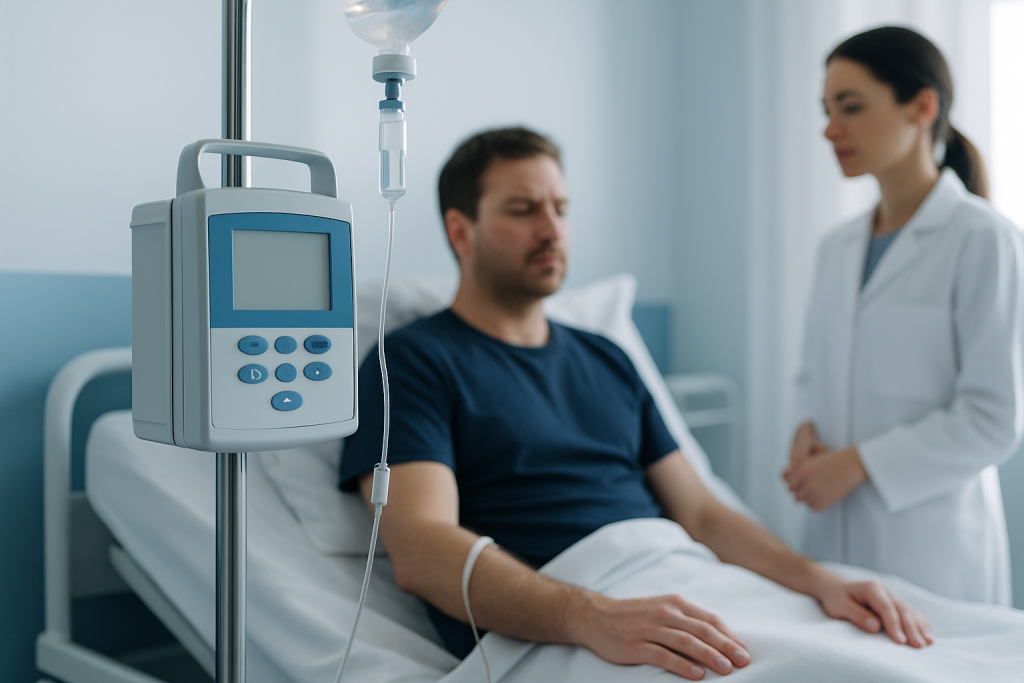
Alcohol affects the brain, stomach, and coordination in different ways, and the signs can range from mild to dangerous. Early intoxication may look like relaxed behavior, slower speech, poor concentration, or unsteady walking.
As alcohol levels rise, symptoms can become more concerning. A person may appear very sleepy, vomit, become confused, or have trouble staying awake. Breathing may slow, skin may feel cold or clammy, and the person may not respond normally.
- Slurred speech or delayed responses
- Loss of balance or frequent stumbling
- Nausea and vomiting
- Confusion, agitation, or unusual behavior
- Difficulty waking the person up
These signs help distinguish simple intoxication from a possible emergency. If a person cannot protect their airway, cannot stay conscious, or is behaving in a way that does not fit their usual pattern, urgent help is warranted.
Causes & Risk Factors

The main cause is straightforward: alcohol has been consumed faster than the body can metabolize it. The amount, strength, and speed of drinking all influence how intoxicated a person becomes.
Several factors can raise risk. Drinking on an empty stomach may make alcohol absorb more quickly. Smaller body size, certain medications, fatigue, and mixing alcohol with other substances can intensify effects. Age, liver health, and prior drinking history may also influence how a person responds.
Some situations deserve special caution. Carbonated alcoholic drinks, repeated “shots,” drinking games, or combining alcohol with sleep aids, anxiety medicines, or pain medicines can increase danger. International travelers may also face added risks when dealing with jet lag, dehydration, unfamiliar drinks, or pressure to keep pace socially.
Diagnosis
When a doctor evaluates intoxication, the focus is usually on safety rather than labels. The clinician may ask what was drank, how much, when the last drink was taken, and whether any medicines or drugs were used as well.
A physical examination helps assess alertness, breathing, pulse, coordination, and the ability to protect the airway. If there are concerns about injury, dehydration, low blood sugar, or alcohol poisoning, additional checks may be done. In some settings, blood tests or a breath alcohol measurement may help clarify the situation, but the exam and symptoms remain central.
Diagnosis may also include looking for other causes that can mimic intoxication, such as head injury, low blood sugar, infection, or reaction to medication. This is one reason it is safest not to assume that every unsteady or sleepy person is “just drunk.”
Treatment Options
The body clears alcohol on its own, so treatment is mainly supportive. The best-known advice is also the most realistic: stop drinking, rest somewhere safe, and allow time for sobriety to return.
Water can help with thirst and dehydration, and a light meal may be easier on the stomach if the person is able to eat. However, food and fluids do not make alcohol leave the bloodstream faster. Coffee, energy drinks, cold showers, fresh air, or vigorous exercise may briefly change how awake someone feels, but they do not reverse intoxication and can sometimes add risk.
Medical treatment becomes important when symptoms are severe. In a clinic or hospital, care may include monitoring, fluids if needed, treatment for low blood sugar or vomiting, and observation until the person is safe. If alcohol poisoning is suspected, emergency treatment is necessary because breathing and consciousness can become dangerously impaired.
Prevention & Self-care
The most effective way to sober up fast is not to become dangerously intoxicated in the first place. Planning ahead before the first drink is often more useful than trying to fix the situation later.
A person who chooses to drink can lower risk by eating beforehand, pacing drinks, alternating with water, avoiding mixing alcohol with sedating medicines, and setting a firm limit before social pressure starts. Having a trusted companion can also help, especially when traveling or staying in an unfamiliar place.
- Do not drive or ride with an impaired driver.
- Do not take sleeping pills, opioid pain medicines, or anti-anxiety medicines with alcohol unless a doctor says it is safe.
- Keep track of drinks and stop early if balance, speech, or judgment changes.
- Arrange transport home before going out.
After drinking, self-care should stay simple. Rest, sip water, avoid more alcohol, and postpone important decisions until fully clear-headed. If the person is abroad, staying with a companion or contacting hotel staff or local support services can make recovery safer and less stressful.
When To See a Doctor
Medical help is needed right away if a person is hard to wake, has slow or irregular breathing, has repeated vomiting, has seizures, or becomes blue, pale, or very cold. These can be signs of alcohol poisoning or another urgent problem.
A doctor should also be contacted if the person has taken alcohol with medicines or drugs, has fallen or hit their head, has severe confusion, or does not improve as expected over time. Even if the issue turns out to be simple intoxication, an assessment can rule out hidden injury or another illness.
Anyone who often drinks more than planned, needs alcohol to relax, or regularly experiences blackouts should speak with a clinician. That pattern can signal a deeper alcohol-related health concern that is easier to address earlier rather than later. If evaluation or ongoing treatment is needed, Acibadem Health Point’s multidisciplinary specialists and JCI-accredited hospitals can diagnose and treat alcohol-related concerns for international patients in a coordinated way.
Frequently asked questions
Is there a real way to sober up fast?
No. Only time lowers blood alcohol levels, because the liver processes alcohol at its own pace. Water, coffee, food, or a shower may change how a person feels, but they do not make sobriety return faster.
Does coffee help sober someone up?
Coffee may make a person feel more awake, but it does not reduce intoxication. A person who has been drinking can still have slowed reaction time and poor judgment even if they seem alert.
Should someone vomit to get alcohol out of the body?
No. Vomiting does not remove alcohol already absorbed into the bloodstream and can increase the risk of choking, especially if the person is drowsy. If vomiting is repeated or the person is difficult to wake, urgent medical help is needed.
What should a person do after drinking too much?
Stop drinking, stay with a trusted person, sip water if able, and rest in a safe place. The person should not drive, take sedating medicines, or make important decisions until fully sober.
How can someone tell the difference between a hangover and alcohol poisoning?
A hangover is unpleasant but the person is usually awake and breathing normally. Alcohol poisoning may involve trouble waking, slow breathing, confusion, repeated vomiting, or bluish skin, and it needs emergency care.
When is it important to get medical help after drinking?
Get help right away if the person is hard to wake, has seizures, has slow breathing, or seems to be getting worse instead of better. It is also wise to seek care after a fall, head injury, or alcohol mixed with other drugs.
References
- National Institute on Alcohol Abuse and Alcoholism
- Centers for Disease Control and Prevention
- World Health Organization
- Mayo Clinic
This article is for general information only and is not a substitute for professional medical advice. Please consult a qualified doctor about your individual situation.