

Proctologist

Key Takeaways
- A proctologist evaluates symptoms such as rectal bleeding, pain, itching, lumps, discharge, and changes in bowel habits.
- Common conditions include hemorrhoids, fissures, abscesses, fistulas, inflammatory bowel disease-related problems, and colorectal concerns.
- Diagnosis often involves a respectful history, a physical examination, and sometimes anoscopy, sigmoidoscopy, colonoscopy, or imaging.
- Treatment may range from diet and lifestyle changes to medication or minor procedures, depending on the cause.
- Persistent bleeding, severe pain, fever, or unexplained bowel changes should be assessed by a doctor without unnecessary delay.
A proctologist is a specialist who evaluates and treats conditions affecting the anus, rectum, and lower digestive tract. Many people delay care for these concerns, but timely assessment can bring relief, clarify the cause, and prevent complications.
Overview
“Proctologist” is a widely used term for a doctor who focuses on disorders of the anus, rectum, and nearby parts of the digestive tract. In many settings, this role is carried out by a colorectal surgeon or a gastroenterologist with expertise in anorectal problems.
People often seek this specialist for symptoms that are uncomfortable to talk about but common in everyday practice. Bleeding during bowel movements, a sense of fullness, a painful tear, drainage, or a lump around the anus can all fall within this doctor’s scope.
For international patients, the practical value of this visit is often simple: getting a clear explanation, a focused exam, and a treatment plan that can be followed safely at home or continued after travel. The goal is not only to ease symptoms, but also to identify whether the problem is minor, recurrent, or linked to another digestive condition.
Symptoms That May Lead to a Visit
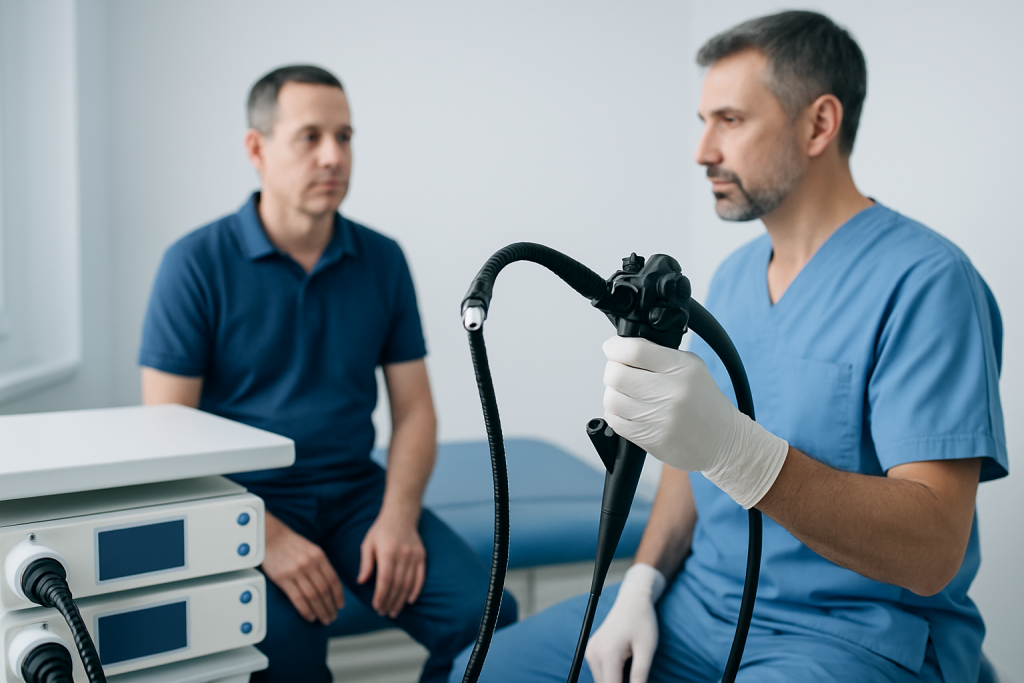
Rectal and anal symptoms can look similar from one person to the next, even when the underlying cause is different. A proctologist is trained to sort through these overlapping complaints and determine what is most likely happening.
Common reasons for referral include:
- Bright red blood on toilet paper, in the bowl, or mixed with stool
- Pain during or after bowel movements
- Itching, irritation, or a burning sensation
- A lump, swelling, or skin tag near the anus
- Drainage, pus, or a persistent moist feeling
- Constipation, straining, or a feeling of incomplete emptying
- New changes in bowel habits that do not settle
Symptoms do not always mean something serious, but they should not be ignored simply because they are common. The best time to seek help is usually earlier, when the issue is still easier to evaluate and treat.
Common Conditions a Proctologist Treats

Several conditions can affect this area, and many begin with similar discomfort. Hemorrhoids are among the most familiar causes, and they may produce bleeding, itching, or swelling. Anal fissures, which are small tears in the lining of the anus, often cause sharp pain with bowel movements.
Proctologists also diagnose and manage abscesses and fistulas. An abscess is an infected pocket of pus, while a fistula is an abnormal tunnel that may form after infection or inflammation. These conditions often need timely treatment because they can become more difficult to manage if ignored.
Other concerns may include inflammatory bowel disease affecting the rectum, pelvic floor disorders, rectal prolapse, anal warts, and screening or follow-up for colorectal disease. In some cases, the specialist may also help determine whether a symptom is related to a digestive condition, a skin problem, or another source entirely.
Causes and Risk Factors
Many anorectal problems are linked to pressure, irritation, inflammation, or infection. Straining during bowel movements, prolonged sitting on the toilet, chronic constipation, and frequent diarrhea can all place stress on delicate tissue.
Risk can also rise with certain life circumstances or medical conditions. Pregnancy, aging, low-fiber eating patterns, dehydration, obesity, and a history of bowel disease may contribute to symptoms. Some people develop issues after surgery, childbirth, or repeated episodes of inflammation.
Although lifestyle factors matter, not every case can be explained by habits alone. Bleeding, pain, or drainage may reflect a condition that deserves a proper medical evaluation rather than self-diagnosis.
How Diagnosis Is Made
A consultation usually begins with a conversation about the symptom pattern, bowel habits, medications, prior procedures, and any family history of digestive disease. This discussion helps the doctor decide which tests are useful and how urgent the situation may be.
The physical exam is often focused and respectful. Depending on the complaint, the doctor may inspect the area externally, perform a digital rectal exam, or use a short instrument such as an anoscope to look just inside the anal canal. These steps are generally brief and designed to answer practical questions quickly.
If more information is needed, additional tests may be recommended. These can include sigmoidoscopy, colonoscopy, stool tests, or imaging studies. For patients traveling from another country, it is helpful to bring prior reports, medication lists, and pathology results, since this can shorten the path to a clear plan.
Treatment Options
Treatment depends entirely on the diagnosis. Mild hemorrhoid symptoms may improve with fiber, hydration, stool-softening strategies recommended by a clinician, and changes in toilet habits. Anal fissures may respond to measures that reduce pain and help the tissue heal, while more persistent cases may require prescription therapy or a procedure.
Infections such as abscesses often need drainage and sometimes antibiotics, while fistulas may require surgical management. Inflammatory conditions are treated based on the underlying disease and may involve medication and ongoing follow-up. When a more serious cause is suspected, treatment is directed by the findings of the evaluation and any biopsy or imaging results.
Minimally invasive procedures are common in this field, and many are performed on an outpatient basis. The best plan is usually the one matched to the diagnosis, the patient’s overall health, and the practical realities of recovery, especially when someone will be returning home after treatment.
Prevention and Self-care
Not every anorectal problem can be prevented, but several habits reduce strain and support healing. A balanced diet with adequate fiber, regular fluids, and routine physical activity can help keep stools softer and bowel movements more predictable.
People are often advised to avoid prolonged straining, rushing bowel movements, or sitting on the toilet for long periods. Gentle hygiene matters as well: using water or fragrance-free products can be kinder to irritated skin than harsh rubbing or heavily scented wipes.
- Respond to the urge to have a bowel movement without delaying for long periods
- Use fiber gradually if advised, so the digestive system can adjust
- Avoid self-treating persistent bleeding without a medical opinion
- Follow instructions carefully after any procedure or outpatient treatment
After treatment abroad, patients may need a written plan for wound care, bowel management, warning signs, and follow-up timing. Clear discharge instructions make recovery easier and help ensure continuity with a local doctor at home.
When to See a Doctor
Medical evaluation is wise whenever symptoms are new, recurring, or unsettling. Rectal bleeding should never be assumed to be “just hemorrhoids,” especially if it is persistent, occurs with weakness, or is accompanied by bowel habit changes.
Prompt care is especially important for severe pain, fever, a rapidly enlarging lump, pus or foul-smelling drainage, or difficulty passing stool or urine. These signs may indicate infection or another condition that needs timely attention.
A doctor should also be consulted if symptoms continue despite home measures, if there is unexplained weight loss, or if there is a family history of colorectal disease. For international patients, Acibadem Health Point can connect individuals with multidisciplinary specialists and JCI-accredited hospitals that diagnose and treat proctology-related conditions for patients coming from abroad.
Seeing the right specialist often brings relief sooner than expected. A careful evaluation can replace uncertainty with a practical plan, and that alone can make a difficult topic feel much more manageable.
Frequently asked questions
What does a proctologist do?
A proctologist evaluates conditions involving the anus, rectum, and nearby digestive structures. In practice, this often means diagnosing and treating symptoms such as bleeding, pain, lumps, itching, discharge, and bowel movement problems.
Is a proctologist the same as a colorectal surgeon?
The terms are often used differently depending on the country and hospital. Many doctors who treat these conditions are colorectal surgeons or gastroenterologists with specific training in anorectal disease.
Do rectal exams always mean surgery is needed?
No. A rectal exam is usually just one step in figuring out the cause of symptoms. Many conditions are treated with lifestyle changes or medication, and only some require a procedure or surgery.
Can hemorrhoids cause bleeding?
Yes, hemorrhoids can cause bright red bleeding, especially during bowel movements. However, bleeding can also come from other causes, so a medical evaluation is important if it is persistent or unexplained.
What should a patient bring to the appointment?
It helps to bring a medication list, previous test results, prior procedure reports, and a short note about symptoms and when they occur. This is especially useful for patients traveling internationally and trying to coordinate follow-up care later.
When is rectal bleeding an emergency?
Urgent assessment is appropriate if bleeding is heavy, does not stop, or happens with dizziness, fainting, severe pain, fever, or weakness. Even smaller amounts should be reviewed if they keep recurring or are accompanied by other changes.
References
- Mayo Clinic
- Cleveland Clinic
- National Institute of Diabetes and Digestive and Kidney Diseases
- American Society of Colon and Rectal Surgeons
- World Health Organization
This article is for general information only and is not a substitute for professional medical advice. Please consult a qualified doctor about your individual situation.
More from the Health Library



Related Specialists

Dr. Neslihan Dönmez
Dermatology
Prof. Dr. Mustafa Herdem
Orthopedic Surgery & Traumatology
Assoc. Prof. Dr. Nefise Nazlı Yenigül
Gynecology & Obstetrics
Dr. Damla Akçora
Anesthesiology