Parotid Gland

Key Takeaways
- The parotid glands sit in front of and below each ear and produce saliva that supports digestion and oral comfort.
- Swelling, pain, dry mouth, fever, or a facial lump can point to infection, blockage, inflammation, or a tumor.
- Doctors often use a physical exam, imaging, and sometimes biopsy to identify the cause safely and accurately.
- Treatment depends on the underlying problem and may include fluids, medication, drainage, stone removal, or surgery.
- Prompt assessment is especially important if swelling is persistent, recurrent, one-sided, or linked to facial weakness.
The parotid glands are the largest salivary glands and play an important role in chewing, swallowing, and oral health. When they become swollen, painful, or develop a lump, careful evaluation helps distinguish infection, stones, inflammation, and tumors.
Overview
The parotid glands are the largest of the salivary glands. One sits on each side of the face, just in front of and below the ear, wrapping around part of the jaw. Their main job is to make saliva, which moistens the mouth, helps begin digestion, and makes speaking and swallowing smoother.
Because these glands sit in a busy area of the face, problems can be noticed early as swelling near the jaw or ear. That swelling may be temporary and related to dehydration or infection, or it may need a closer look if it does not settle. Understanding the parotid gland helps patients know which changes are simple and which deserve medical attention.
For people arranging care from another country, parotid gland concerns can be especially unsettling because they may involve the face, the mouth, and sometimes the facial nerve. A clear diagnostic plan can make the journey more manageable by showing whether the issue is inflammatory, obstructive, or tumor-related before treatment is chosen.
Symptoms
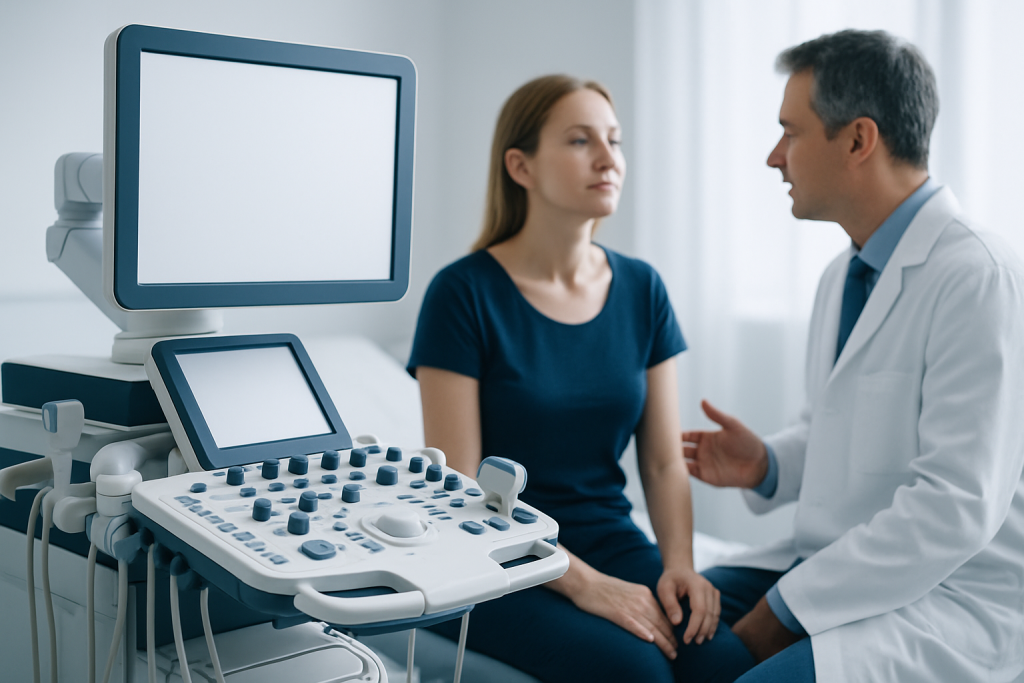
Parotid gland problems often begin with a visible or felt swelling near the angle of the jaw. The swelling may be soft, firm, tender, or uneven from one side to the other. Some people notice discomfort while eating, because saliva flow increases during meals and can worsen pain when the gland is blocked.
Other symptoms depend on the cause. Infection may bring fever, redness, warmth, or a bad taste in the mouth. A salivary stone may cause pain that comes and goes, especially around mealtimes. Inflammatory conditions can lead to dry mouth, generalized tenderness, or repeated episodes of swelling.
Symptoms that deserve careful attention include:
- A lump in front of or below the ear
- Swelling that returns or lasts for weeks
- Pain when chewing or eating sour foods
- Dry mouth or reduced saliva
- Pus or an unpleasant taste in the mouth
- Facial weakness or numbness
Facial weakness is not common in routine gland inflammation and should be assessed promptly, since it may suggest a more complex condition that needs specialist evaluation.
Causes & Risk Factors
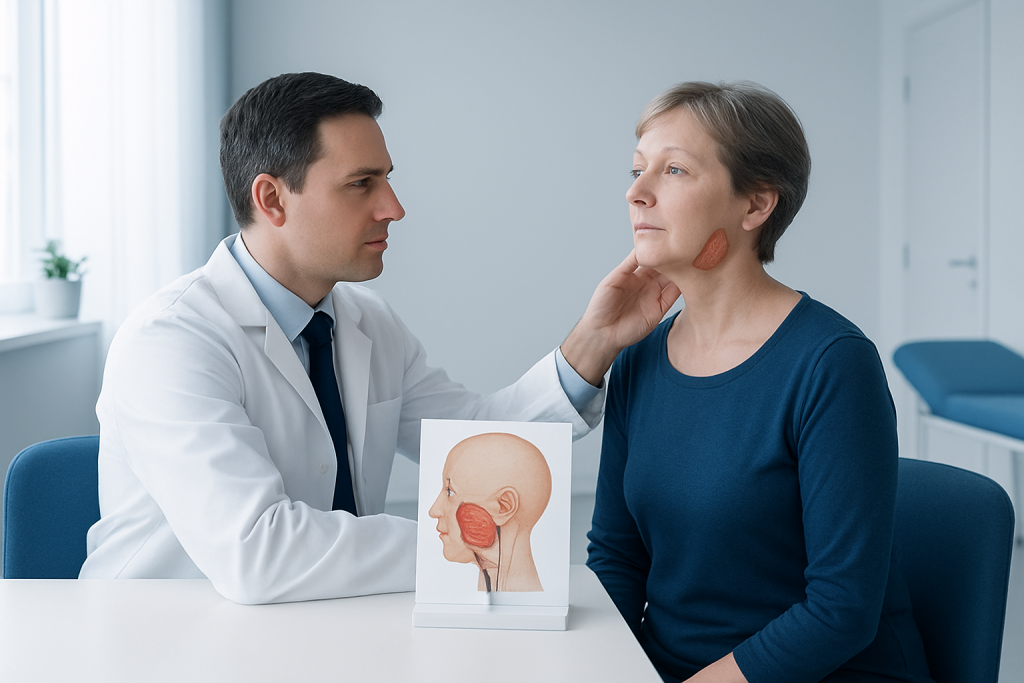
Several different conditions can affect the parotid glands. The most common are infections, salivary stones, inflammation, and tumors. These conditions may look similar at first, which is why symptoms alone are not enough to identify the cause with confidence.
Dehydration is a frequent contributor because thick saliva can make it easier for the gland ducts to become blocked. Poor oral intake, recovery from surgery, certain medications that reduce saliva, and illnesses that limit fluid intake can all increase the chance of swelling. Recurrent gland infections may also be linked to reduced saliva flow or narrowing of the ducts.
Risk factors can vary by condition. For example, autoimmune diseases may cause chronic salivary gland inflammation, while age and prior radiation exposure can affect some tumor risks. A history of repeated swelling after meals may point more toward a blockage such as a stone, while a firm painless lump raises concern for a mass that needs imaging and possibly biopsy.
Common causes include:
- Viral or bacterial infection of the gland
- Salivary stones or duct blockage
- Chronic inflammation, including autoimmune-related disease
- Benign or malignant parotid tumors
- Dehydration and reduced saliva production
Diagnosis
Diagnosis usually begins with a careful history and examination. A doctor will ask when the swelling started, whether it changes with meals, whether there is pain or fever, and whether the patient has noticed dry mouth or facial weakness. The gland and nearby lymph nodes are then examined, along with the inside of the mouth and the opening of the parotid duct.
Imaging is often the next step. Ultrasound is commonly used because it can show stones, cysts, and many solid masses without radiation. Depending on the situation, a CT scan or MRI may provide a clearer view of the gland, surrounding tissues, or deeper parts of the face. If a tumor is suspected, a fine-needle aspiration or another biopsy method may be recommended to examine the cells.
Blood tests are sometimes used when infection, autoimmune disease, or another systemic condition is suspected. The goal is not only to name the condition, but to understand its behavior well enough to choose the right treatment and protect facial nerve function when surgery is needed.
Treatment Options
Treatment depends entirely on the cause. A mild viral illness may improve with rest, hydration, and supportive care. Bacterial infections are often treated with antibiotics and measures that help the gland drain. If a stone is blocking saliva, doctors may suggest hydration, warm compresses, gland massage, or procedures to remove the stone.
When inflammation is ongoing or related to an autoimmune condition, treatment may focus on reducing symptoms, improving saliva flow, and managing the underlying disease. Tumors of the parotid gland are often treated surgically, with the exact operation depending on the size, location, and type of growth. Protecting the facial nerve is a major priority during these procedures.
In some cases, a specialist may recommend observation instead of immediate surgery, especially if a lump appears stable and noncancerous. This decision is based on imaging, biopsy results, symptoms, and the patient’s overall health. International patients often benefit from coordinated planning, because surgical decisions, recovery expectations, and follow-up imaging can be organized before travel begins.
Treatment approaches may include:
- Fluids, pain relief, and warm compresses
- Antibiotics for bacterial infection
- Salivary stone removal or duct procedures
- Medication for inflammatory or autoimmune disease
- Surgery for selected tumors or persistent disease
Prevention & Self-care
Not every parotid gland problem can be prevented, but simple habits can reduce irritation and help saliva flow more freely. Staying well hydrated is one of the most practical steps, especially during illness, travel, or hot weather. Good oral hygiene also lowers the risk of bacterial buildup in the mouth and ducts.
People who are prone to dry mouth may need to pay extra attention to medications, fluid intake, and regular dental care. Sugar-free lozenges or sour candies are sometimes suggested to stimulate saliva, but they should only be used if a doctor has said they are appropriate, particularly if a stone or severe pain is present. Gentle gland massage and warm compresses may also help when recommended by a clinician.
After treatment, self-care depends on the plan. Patients recovering from infection or surgery may be advised to keep the mouth clean, eat soft foods for a short period, and attend follow-up visits so healing and gland function can be checked. Clear aftercare instructions are especially important for people returning home after treatment abroad.
When to See a Doctor
Any new lump near the jaw or in front of the ear should be checked if it does not settle within a short time, especially if it is one-sided. Medical review is also important if swelling keeps returning, becomes painful, or is associated with fever, pus, or trouble opening the mouth. These features can help doctors distinguish blockage, infection, and other causes.
Urgent assessment is wise if facial weakness appears, if the swelling grows quickly, or if eating becomes difficult because the gland hurts each time food is chewed. A firm, painless mass should also be evaluated without delay, since some parotid tumors do not cause early discomfort. Even when a problem turns out to be benign, timely diagnosis often leads to simpler treatment and better recovery.
For patients considering travel for specialist care, it is helpful to gather prior scans, pathology reports, and a list of medications before the consultation. Acibadem Health Point’s multidisciplinary specialists and JCI-accredited hospitals diagnose and treat parotid gland conditions for international patients with coordinated, patient-centered care.
Frequently asked questions
What does the parotid gland do?
The parotid gland makes saliva, which helps moisten the mouth and begin digestion. It also supports swallowing and helps protect teeth and oral tissues by keeping the mouth from becoming too dry.
Why does the area in front of the ear swell?
Swelling there can come from infection, a salivary stone, inflammation, or a tumor in the parotid gland. Because several conditions can look alike, persistent or one-sided swelling should be examined by a doctor.
Is parotid gland swelling always cancer?
No. Many cases are caused by infection, blockage, or inflammation rather than cancer. A lump still needs evaluation because imaging or biopsy may be needed to confirm the cause.
Can a salivary stone go away on its own?
Small stones sometimes pass with hydration and measures that encourage saliva flow, but not all do. If pain, swelling, or meal-related symptoms continue, medical treatment may be needed to remove the blockage.
How is a parotid tumor checked?
Doctors usually start with an exam and imaging such as ultrasound, CT, or MRI. If needed, a fine-needle aspiration or biopsy helps identify whether the tumor is benign or malignant.
What should someone do before traveling for parotid treatment?
They should bring prior imaging, pathology reports, medication lists, and a summary of symptoms. It is also helpful to discuss expected recovery time and follow-up plans before the trip so care continues smoothly after returning home.
References
- American Academy of Otolaryngology–Head and Neck Surgery
- National Institute of Dental and Craniofacial Research
- Mayo Clinic
- Merck Manual Professional Edition
- NHS
This article is for general information only and is not a substitute for professional medical advice. Please consult a qualified doctor about your individual situation.
More from the Health Library



Related Specialists
Physiotherapist Atahan Vardı
Physical Therapy and RehabilitationDr. Volkan Demirdöğen
Anesthesiology and Reanimation
Dr. Hande Aygün
Infectious Diseases & Clinical Microbiology
Dr. Ceren Ulusoy
Pediatrics