Prediabetes Abroad: When a Medical Program Is Enough and When You Need Specialist Care

Key Takeaways
- Prediabetes is a warning sign, not a diagnosis of diabetes, and it can often be improved with timely lifestyle changes.
- A medical program may be enough when risk is low and blood sugar values are only mildly elevated.
- Specialist care is more important when there are multiple risk factors, rapid worsening, or other health conditions that affect metabolism.
- Travel for care should focus on clear testing, a practical treatment plan, and a follow-up strategy that works after returning home.
- Even when treatment starts abroad, long-term success depends on steady monitoring, realistic goals, and ongoing primary care support.
Medically reviewed by the Acıbadem clinical team — June 13, 2026
Prediabetes means blood sugar levels are higher than normal, but not yet in the diabetes range. Many people improve with a structured medical program, while others need a specialist’s evaluation to look for hidden risks or more complex metabolic problems.
Overview
Prediabetes sits in the middle ground between normal blood sugar and type 2 diabetes. It is common, often silent, and importantly, it can be a turning point rather than a fixed destination. For many people, it is the moment when a carefully designed medical program can reset the direction of health before diabetes develops.
When planning care abroad, the practical question is not only what is the blood sugar number, but also what is driving it and who can help manage it best. Some people need a structured program with nutrition guidance, activity planning, and repeat testing. Others benefit from an endocrinology specialist who can assess why prediabetes is present, whether another condition is contributing, and whether early medication or closer monitoring is appropriate.
For international patients, the right path usually depends on how straightforward the case looks. If the goals are clear, the risks are limited, and the patient can continue follow-up at home, a medical program may be enough. If the picture is more complicated, specialist care can help prevent missed diagnoses and create a safer long-term plan.
Signs and Symptoms
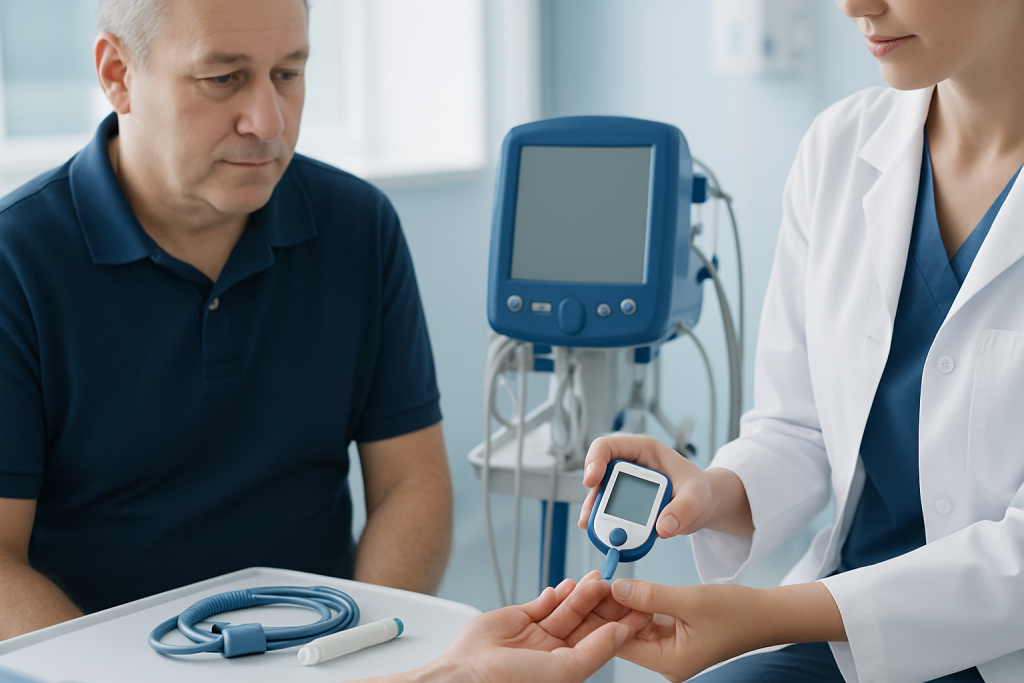
Prediabetes usually does not cause obvious symptoms. Many people discover it only after routine blood work, a health screening, or evaluation for another concern such as weight gain or high blood pressure. Because of this quiet presentation, it can be easy to overlook until blood sugar trends become more persistent.
When symptoms do appear, they are often mild and nonspecific. Some people notice increased thirst, more frequent urination, fatigue, blurred vision, or a tendency to feel hungry sooner than expected. These signs do not confirm prediabetes on their own, but they can prompt a check of fasting glucose, hemoglobin A1c, or an oral glucose tolerance test.
It is also common for patients to have no symptoms at all and still have meaningful metabolic risk. That is why international health programs often rely on laboratory testing and a broader risk assessment rather than symptoms alone.
Causes and Risk Factors

Prediabetes usually develops when the body becomes less responsive to insulin, the hormone that helps glucose move from the bloodstream into the cells. Over time, the pancreas may have to work harder to keep blood sugar in range. When that balance begins to slip, blood sugar rises into the prediabetes range.
Several factors can make this more likely. Excess body weight, limited physical activity, a family history of type 2 diabetes, a history of gestational diabetes, polycystic ovary syndrome, sleep problems, and some ethnic backgrounds are all associated with higher risk. Age can also play a role, but younger adults are increasingly being diagnosed as lifestyle patterns shift.
Sometimes prediabetes is part of a wider health picture. High triglycerides, fatty liver disease, high blood pressure, and signs of metabolic syndrome may suggest that blood sugar changes are only one piece of a broader issue. In those situations, a specialist can help identify whether the patient needs more than a general lifestyle program.
Diagnosis
Diagnosis is usually based on standard laboratory tests rather than symptoms. The most common measures are fasting plasma glucose, hemoglobin A1c, and sometimes an oral glucose tolerance test. Each test reflects blood sugar in a different way, so doctors may use more than one to build a clearer picture.
For patients seeking care abroad, it is useful to bring prior lab results, medication lists, and any records related to weight changes, blood pressure, fertility issues, pregnancy, liver disease, or previous abnormal glucose tests. These details help the medical team decide whether the pattern is simple prediabetes or a sign of a more complex endocrine problem.
A medical program may be sufficient when results are only mildly abnormal and there are no concerning features. Specialist care becomes more helpful when readings are repeated and rising, when there are signs of insulin resistance beyond blood sugar alone, or when another condition may be interfering with glucose control.
- Fasting glucose checks how the body handles sugar after an overnight fast.
- Hemoglobin A1c reflects average blood sugar over several months.
- Oral glucose tolerance testing can reveal problems that a single fasting test may miss.
Treatment Options
For many people, the first and most important treatment is a structured lifestyle program. That usually includes nutrition changes that reduce excess refined carbohydrates, regular physical activity, better sleep, and gradual weight management if needed. The goal is not a short burst of discipline, but a realistic routine the patient can continue after traveling home.
In a straightforward case, a medical program may include education, baseline testing, personalized diet planning, and follow-up blood work after a set interval. This can be enough when the patient is motivated, the numbers are close to normal, and there are no other major metabolic concerns. Clear instructions matter, especially for international patients who may need to continue care with a local doctor after discharge.
Specialist care is more appropriate when the situation is not simple. That can include very high-risk patients, rapid progression toward diabetes, difficulty losing weight despite sustained effort, suspected hormonal contributors, or complications such as fatty liver disease, polycystic ovary syndrome, or a strong family history of early diabetes. In selected cases, a doctor may discuss medication to support prevention, but treatment is always individualized and should be supervised by a qualified clinician.
For international patients, a good treatment plan should answer three practical questions: what needs to change now, what should be monitored, and who will oversee the next step once the patient is back home. Acibadem Health Point’s multidisciplinary specialists and JCI-accredited hospitals can diagnose and treat prediabetes for international patients when a more detailed evaluation is needed.
Prevention and Self-care
Prediabetes management works best when small habits become dependable habits. Regular walking, consistent meals, portion awareness, and reduced sugary drinks can all make a meaningful difference. Many patients do better when they focus on one or two changes that fit their daily life rather than trying to transform everything at once.
Sleep and stress also matter. Poor sleep can make blood sugar control more difficult, and prolonged stress may affect eating patterns, activity, and hormones that influence glucose metabolism. A balanced routine, attention to sleep quality, and realistic stress management can support the rest of the treatment plan.
Self-care after treatment abroad should also include a follow-up schedule. Patients are often advised to repeat blood tests as recommended, share results with their local doctor, and return for specialist review if numbers worsen or if new symptoms appear. This is especially important when the initial assessment was done in another country and continuity of care depends on good documentation.
- Choose activities that are easy to repeat, not just ambitious for one week.
- Keep a record of lab results and medical advice from every visit.
- Ask how often blood sugar and A1c should be rechecked.
- Learn which local clinician will coordinate long-term monitoring.
When a Medical Program Is Enough — and When Specialist Care Is Needed
A medical program is often enough when prediabetes is newly discovered, the test results are only mildly abnormal, and the patient has no major comorbidities. In this setting, education, lifestyle support, and planned follow-up may be all that is needed to return blood sugar to a healthier range. The main advantage is speed: the patient can begin practical change without unnecessary delay.
Specialist care becomes more important when the situation is not so straightforward. That includes repeated abnormal tests, signs of insulin resistance affecting more than one body system, pregnancy-related concerns, obesity with related complications, or uncertainty about whether the patient is already moving toward diabetes. A specialist can also help if the patient has already tried lifestyle changes but has not improved as expected.
International patients should also think about continuity. If the plan depends on frequent lab monitoring, medication decisions, or several related conditions, specialist care is often safer than a short program alone. The right level of care is the one that matches the clinical complexity and the patient’s ability to continue treatment after returning home.
When to See a Doctor
Medical advice is appropriate soon after any abnormal glucose result, even if the patient feels well. Early evaluation gives the best chance to reverse the trend before diabetes develops, and it helps distinguish simple prediabetes from a broader endocrine concern.
A doctor should be consulted promptly if blood sugar values are rising, if there is a history of gestational diabetes, if the patient has symptoms such as marked thirst or frequent urination, or if other metabolic problems are present. It is also wise to seek specialist input when planning care abroad, because the treatment plan should be realistic for follow-up at home.
Emergency care is not usually required for prediabetes itself, but any sudden illness, severe dehydration, confusion, or very high blood sugar needs urgent medical evaluation. For most people, though, prediabetes is a manageable condition when it is addressed early and followed consistently.
Frequently asked questions
What does prediabetes mean exactly?
Prediabetes means blood sugar is higher than normal but not high enough to be called diabetes. It is a warning sign that the body is having more difficulty processing glucose. With timely changes, many people can lower their risk of progressing to type 2 diabetes.
Can a medical program really be enough for prediabetes?
Yes, in many uncomplicated cases a medical program is enough. That usually includes lifestyle counseling, basic lab testing, and a follow-up plan. It works best when the blood sugar changes are mild and the patient can continue the plan after returning home.
When is specialist care a better choice?
Specialist care is more useful when the case is complex, blood sugar is worsening, or there are related conditions such as obesity, fatty liver disease, polycystic ovary syndrome, or a strong family history of diabetes. It is also helpful when prior treatment has not worked well. A specialist can look for hidden causes and tailor the plan more precisely.
Do people with prediabetes need medication?
Not everyone does. Many patients improve with nutrition, activity, weight management, and better sleep. In selected higher-risk cases, a doctor may consider medication, but that decision should be individualized and monitored by a qualified clinician.
How often should blood sugar be checked?
The timing depends on the patient’s risk level and the treatment plan. Some people are rechecked after a few months, while others need closer follow-up. A doctor should set the schedule based on the test results and overall health picture.
What should an international patient bring to a prediabetes appointment abroad?
It helps to bring previous lab reports, medication lists, and any records related to weight, blood pressure, pregnancy history, or other metabolic conditions. These details make it easier for the care team to decide whether a medical program is enough or whether specialist evaluation is needed. Good documentation also helps with follow-up once the patient returns home.
References
- American Diabetes Association
- Centers for Disease Control and Prevention
- World Health Organization
- International Diabetes Federation
- National Institute of Diabetes and Digestive and Kidney Diseases
This article is for general information only and is not a substitute for professional medical advice. Please consult a qualified doctor about your individual situation.