High Cortisol Symptoms

Key Takeaways
- High cortisol can cause changes in weight, mood, skin, sleep, blood pressure, and blood sugar.
- Symptoms often develop slowly, which is why they may be mistaken for routine stress or aging.
- Doctors usually confirm the cause with blood, urine, saliva, and imaging tests when needed.
- Treatment depends on the underlying reason, such as medication use, a pituitary problem, or an adrenal disorder.
- Healthy sleep, stress support, and timely medical review can help, but they do not replace diagnosis and treatment.
High cortisol can affect many body systems, so the symptoms may appear gradual and easy to overlook. A clear evaluation helps distinguish everyday stress from medical conditions that need treatment.
Overview
Cortisol is a hormone made by the adrenal glands. It helps the body respond to stress, maintain blood pressure, regulate blood sugar, and manage inflammation. In the right amount, it is essential for daily health; when levels stay too high, the body can begin to show a wide range of changes.
High cortisol is not a diagnosis by itself. It is a finding that may be linked to prolonged steroid use, a pituitary or adrenal condition, or less commonly a tumor elsewhere in the body that affects hormone production. In everyday language, people often use “stress” to describe how they feel, but true cortisol excess is a medical issue that needs proper evaluation.
For people traveling internationally for care, the first step is often understanding which symptoms belong together and which tests are needed to sort out the cause. A careful history is especially important because the pattern of symptoms, medications, and timing can guide the doctor toward the right answer.
Symptoms
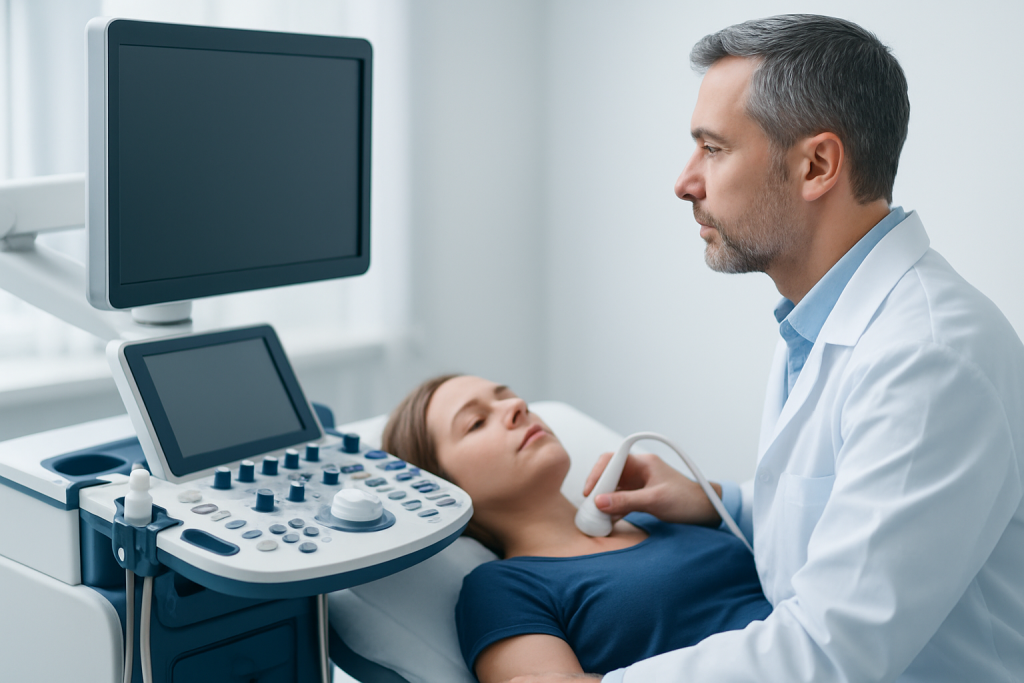
The symptoms of high cortisol can vary, and they often appear gradually. Some changes are visible, while others are felt more internally. Because the signs can overlap with common health concerns, people sometimes notice them only after several months.
Common symptoms may include:
- Weight gain, especially around the abdomen, upper back, or face
- Rounded or fuller facial appearance
- Thinning skin that bruises easily
- Purple or pink stretch marks, especially on the abdomen or thighs
- Muscle weakness, particularly in the upper arms or thighs
- Fatigue and reduced stamina
- Sleep problems, anxiety, irritability, or low mood
- Higher blood pressure
- Increased blood sugar or worsening diabetes control
- Changes in menstrual cycles or reduced libido
Some people also notice more frequent infections, slower wound healing, headaches, or bone loss over time. In children and teenagers, high cortisol may slow growth while weight increases, which can be an important clue. Not everyone has all of these findings, and mild cases may be subtle.
Causes & Risk Factors

High cortisol can happen for several reasons. The most common cause is the use of corticosteroid medicines, such as tablets, injections, creams, or inhaled treatments, especially when they are used for a long time or in higher amounts than the body needs. In this situation, the body is exposed to more steroid effect than intended.
Other causes are related to the body making too much cortisol on its own. These include a pituitary tumor that signals the adrenal glands too strongly, an adrenal tumor that produces cortisol directly, or, more rarely, hormone production from another tumor outside the usual endocrine organs. These conditions are often grouped under the term Cushing syndrome when cortisol is persistently elevated.
Risk factors depend on the cause. Long-term steroid treatment for asthma, autoimmune disease, skin conditions, organ transplant care, or severe inflammation can raise risk. A personal history of endocrine disorders, unexplained changes in weight and blood pressure, or symptoms that develop together over time may also prompt a doctor to investigate further.
Diagnosis
Doctors usually begin with a detailed review of symptoms, medication use, and medical history. This step matters because steroid medicines can mimic the same pattern as cortisol overproduction. A physical examination may look for body-shape changes, skin findings, blood pressure, and muscle strength.
When high cortisol is suspected, testing often includes one or more of the following:
- Late-night salivary cortisol
- 24-hour urine cortisol
- Low-dose dexamethasone suppression testing
- Blood tests to assess related hormone patterns
If results suggest the body is truly producing too much cortisol, imaging studies may be used to look at the pituitary glands or adrenal glands. In some cases, additional specialized tests help identify where the hormone signal is coming from. Because the evaluation can be detailed, international patients often benefit from coordinated care that combines endocrinology, radiology, and laboratory testing in one plan.
Treatment Options
Treatment depends on the cause, and the plan is individualized. If steroid medication is the reason, the doctor may adjust the dose or change the treatment gradually when safe to do so. It is important not to stop steroid medicines suddenly without medical guidance, because the body may need time to recover its own cortisol production.
If a pituitary or adrenal tumor is responsible, treatment may include surgery, medication, radiation therapy, or a combination of approaches. Some patients need medicines that lower cortisol production or block its effects while the underlying cause is being addressed. The best option depends on tumor type, hormone levels, overall health, and whether other conditions are present.
Because cortisol affects many systems, care often involves more than one specialist. Blood pressure, glucose, bone health, sleep, and mood may all need attention during treatment and recovery. For patients coming from abroad, a coordinated team can be especially helpful for planning diagnostics, treatment timing, and follow-up after returning home.
Prevention & Self-care
Not every cause of high cortisol can be prevented, but some practical steps can lower risk or reduce complications. The most important is using corticosteroid medicines only as prescribed and keeping regular follow-up with the clinician managing them. This includes discussing inhalers, creams, injections, and oral medicines, since steroid exposure can come from different sources.
Daily habits can also support overall hormone balance and recovery. Helpful measures include:
- Prioritizing regular sleep and a consistent sleep schedule
- Staying physically active in a way that matches energy level and medical advice
- Choosing balanced meals to support blood sugar and blood pressure
- Limiting alcohol and avoiding smoking
- Managing stress with realistic routines, counseling, mindfulness, or support groups
These steps are supportive, not curative. If symptoms suggest cortisol excess, lifestyle changes should not replace medical testing, because early diagnosis can reduce the chance of long-term effects on the heart, bones, and metabolism.
When to See a Doctor
A medical review is appropriate when several symptoms develop together, especially if weight changes, new high blood pressure, easier bruising, muscle weakness, or sleep problems are present. People who are taking steroid medicines and notice body changes should also speak with their doctor, since the dose or type of treatment may need review.
It is especially important to seek evaluation if blood sugar becomes harder to control, periods become irregular without another explanation, or skin changes and stretch marks appear alongside fatigue and weakness. In children, slowed growth with weight gain deserves prompt attention.
For those planning care from another country, it can help to gather prior medication lists, hormone test results, and imaging reports before traveling. Acibadem Health Point’s multidisciplinary specialists and JCI-accredited hospitals diagnose and treat high cortisol-related conditions for international patients in a coordinated way, which can make the evaluation process more efficient.
Frequently asked questions
What are the most common high cortisol symptoms?
Common symptoms include weight gain around the abdomen or face, easy bruising, thin skin, muscle weakness, sleep problems, and mood changes. Some people also develop high blood pressure or high blood sugar. The pattern often builds slowly, which is why it can be missed at first.
Can stress alone cause high cortisol symptoms?
Daily stress can affect how a person feels, but it does not always mean cortisol is persistently high in a medical sense. True cortisol excess usually needs testing to confirm and to find the cause. A doctor can help distinguish temporary stress effects from an endocrine disorder.
How do doctors check for high cortisol?
Doctors may use late-night salivary cortisol, urine cortisol collected over 24 hours, or a dexamethasone suppression test. If results suggest cortisol excess, imaging may be used to look for a pituitary or adrenal cause. The exact testing plan depends on the person's symptoms and medications.
Is high cortisol always caused by a tumor?
No. The most common cause is corticosteroid medication use. Tumors are one possible cause, but they are not the only explanation, so doctors review medication history before moving to more specialized tests.
Can high cortisol be treated without surgery?
Sometimes yes, depending on the cause. If steroid medicine is the reason, treatment may involve careful dose adjustment. In some hormone-producing conditions, medication or radiation may be used, while surgery is reserved for selected cases.
What should someone do while waiting for testing?
It is sensible to keep taking prescribed medicines as directed unless a doctor says otherwise, and to note symptoms, sleep patterns, and any recent medication changes. A simple record can help the clinician see the full picture. If blood pressure or blood sugar is already being treated, those conditions should continue to be monitored.
References
- National Institute of Diabetes and Digestive and Kidney Diseases
- Mayo Clinic
- Cleveland Clinic
- Endocrine Society
- Merck Manual Professional Edition
This article is for general information only and is not a substitute for professional medical advice. Please consult a qualified doctor about your individual situation.