Pituitary Tumors: When Medicine Can Work and When Surgery Is More Likely

Key Takeaways
- Pituitary tumors can be hormone-secreting or nonfunctioning, and that distinction strongly shapes treatment.
- Medicine is often effective for certain hormone-producing tumors, especially prolactinomas.
- Surgery is more likely when a tumor is large, presses on the optic nerves, causes symptoms, or does not respond to medicine.
- Diagnosis usually includes hormone tests and MRI, sometimes with formal vision testing.
- Long-term follow-up matters because pituitary tumors may affect hormone balance even after treatment.
Medically reviewed by the Acıbadem clinical team — June 13, 2026
Pituitary tumors are often treatable, but the right approach depends on the tumor type, hormone activity, size, and whether nearby structures are affected. Some respond well to medicine, while others are best managed with surgery or a combination of treatments.
Overview
The pituitary gland is a small structure at the base of the brain, but it has an outsized role in health. It helps regulate growth, thyroid function, reproduction, stress response, and fluid balance. A pituitary tumor develops when cells in this gland grow abnormally, most often forming a pituitary adenoma.
Not every pituitary tumor behaves the same way. Some make extra hormones and produce clear symptoms; others do not make hormones but may still cause problems by pressing on nearby nerves, especially the optic pathways. That is why treatment is not decided by size alone. Doctors usually look at hormone activity, the tumor’s location, the person’s symptoms, and whether the tumor is stable or expanding.
For international patients, this often means care is planned in stages: testing may begin before travel, imaging and endocrine review may happen on arrival, and treatment can be coordinated with follow-up after returning home. The goal is to choose the least invasive option that still protects vision, hormone balance, and long-term health.
Symptoms
Symptoms depend on whether the tumor is making hormones, how large it is, and what structures it affects. Some pituitary tumors are discovered during scans done for an unrelated reason, before any symptoms appear. Others come to attention because they change a person’s menstrual cycle, fertility, weight, energy, or vision.
Hormone-related symptoms may include irregular periods, milk discharge from the breasts, decreased libido, erectile dysfunction, unexplained weight changes, heat or cold intolerance, or features of excess growth hormone or cortisol. A tumor that presses on nearby nerves may cause headaches or blurred vision, and some people notice loss of side vision before anything else.
- Menstrual changes or infertility
- Milky nipple discharge
- Reduced sexual function or low libido
- Headache or pressure behind the eyes
- Blurred vision or side-vision loss
- Fatigue, weakness, or changes in body shape
Because these symptoms can overlap with many other conditions, pituitary problems are often not obvious at first glance. A careful endocrine evaluation helps connect the pattern rather than focusing on one symptom in isolation.
Causes & Risk Factors

Most pituitary tumors arise sporadically, meaning there is no single clear cause. They usually develop from one cell line in the pituitary that begins to grow in an unregulated way. Many people with a pituitary adenoma have no family history and no obvious trigger.
In some cases, inherited syndromes increase the likelihood of pituitary tumors. Examples include multiple endocrine neoplasia type 1 and other rare genetic conditions. A family history of endocrine tumors, especially at a young age, may prompt doctors to consider whether genetic testing is useful.
Risk factors are not as straightforward as they are for some other conditions, but certain patterns make the diagnosis more likely or more urgent to address. These include hormone-related symptoms, visual complaints, a known endocrine disorder, or a tumor found to be growing on repeat imaging.
It is also important to know that pituitary tumors are classified by behavior, not just by whether they are benign or malignant. Even a noncancerous tumor can need prompt treatment if it is affecting hormones or vision.
Diagnosis
Diagnosis usually begins with a detailed history and physical examination, followed by blood tests to measure pituitary hormones and the hormones controlled by the pituitary. Depending on the suspected tumor type, doctors may check prolactin, cortisol, thyroid-related hormones, growth hormone markers, sex hormones, and other labs that show how the endocrine system is responding.
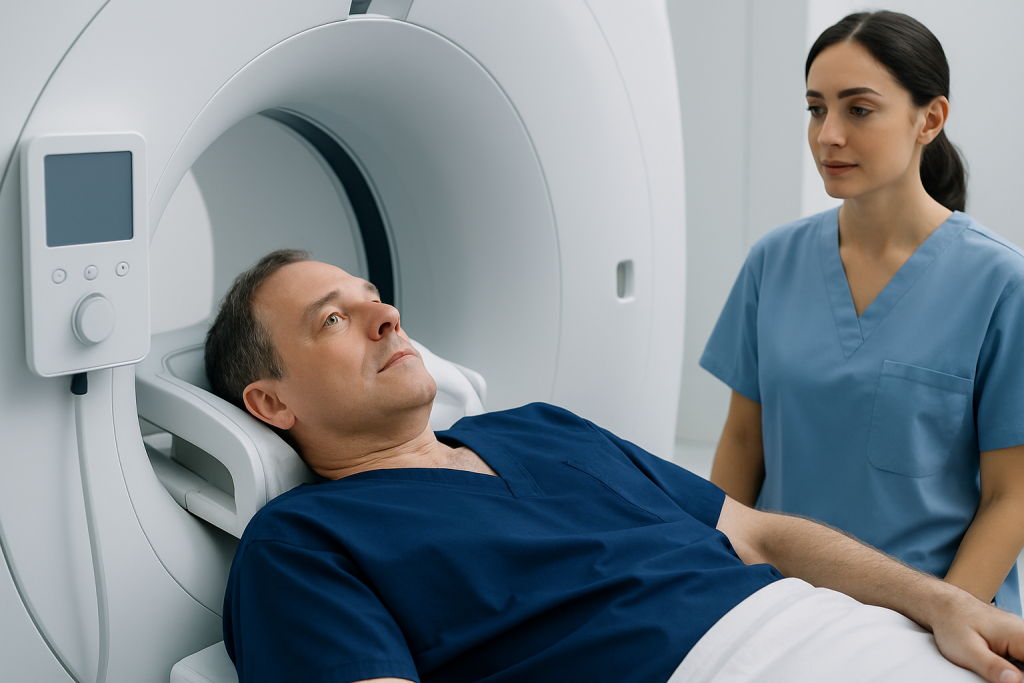
MRI with contrast is the main imaging test because it shows the pituitary gland and nearby structures much more clearly than most other scans. If the tumor may be affecting vision, formal visual field testing is often performed. In some situations, doctors may also order additional pituitary stimulation or suppression tests to clarify how the gland is working.
For patients traveling from abroad, diagnosis may be compressed into a short time frame. That makes preparation especially helpful: bringing prior imaging on disc, previous lab results, medication lists, and a timeline of symptoms can reduce delays and help the team decide quickly whether medicine, monitoring, or surgery is the best path.
Treatment Options
Treatment is individualized. The central question is not only “Can the tumor be removed?” but also “What is the safest and most effective way to restore or protect function?” In some pituitary tumors, medicine is the first choice. In others, surgery is the more direct and durable option.
Medicine is especially important for prolactin-producing tumors, where dopamine agonists often reduce prolactin levels and shrink the tumor. Other hormone-secreting tumors may need medications that control hormone excess while the care team plans surgery or longer-term management. In a few cases, medication alone may be enough to control the disease for a long time.
Surgery is more likely when the tumor is large, compresses the optic nerves, causes significant symptoms, bleeds, or does not respond to medication. The most common operation is transsphenoidal surgery, which reaches the pituitary through the nose or upper lip area rather than opening the skull. This approach is often preferred because it avoids a larger brain operation and can shorten recovery, though every case is different.
Other treatments may also be part of the plan:
- Observation: for small, nonfunctioning tumors that are stable and not causing symptoms
- Hormone replacement: if the pituitary does not make enough hormones after treatment
- Radiation therapy: sometimes used when tumor remains after surgery or grows back
- Ongoing endocrine follow-up: to adjust treatment as hormone levels change
The right sequence often depends on the balance between hormone control and anatomy. For example, a tumor that is highly responsive to medicine may be treated without surgery, while a mass pressing on vision usually needs faster mechanical relief.
When Medicine Can Work Best
Medicine can be the main treatment when the tumor is hormonally active and its biology is known to respond to drugs. Prolactinomas are the best-known example. In many patients, medication lowers prolactin, improves menstrual or sexual function, and can reduce tumor size enough to avoid surgery.
Drug treatment may also be used when surgery would not be the first choice because the tumor is small, the symptoms are manageable, or the patient has other health factors that make an operation less suitable right away. In some hormone-secreting tumors, medicine is used to stabilize the condition before surgery or to control disease afterward if the tumor cannot be completely removed.
Patients are usually monitored with repeat hormone tests and imaging, because the success of medicine is measured over time rather than in a single visit. Side effects, treatment tolerance, and the long-distance logistics of follow-up all matter, especially for people who return home between appointments.
When Surgery Is More Likely
Surgery becomes more likely when the tumor is producing pressure effects or when medication is unlikely to solve the problem on its own. A common example is a nonfunctioning pituitary tumor that grows upward and threatens vision. In that setting, waiting too long can allow more permanent nerve damage, so doctors often recommend timely surgery.
Operation may also be recommended if a hormone-producing tumor does not shrink adequately with medicine, if the person cannot tolerate the medication, or if the tumor has features that suggest surgery offers the best chance of control. In selected cases, surgery can rapidly improve headaches, vision problems, or excess hormone production.
Even when surgery is planned, it is rarely the end of care. The pituitary gland may need time to recover, and some patients require lifelong hormone monitoring or replacement. A surgeon, endocrinologist, and sometimes an eye specialist usually work together to guide the recovery period.
Prevention & Self-care
Most pituitary tumors cannot be prevented because they do not arise from a known lifestyle cause. Self-care therefore focuses on early recognition, organized follow-up, and protecting health before and after treatment. Keeping a written record of symptoms, test results, and medication changes can be very helpful.
People already under care for a pituitary tumor can support recovery by taking medicines exactly as prescribed, attending hormone and vision follow-up appointments, and reporting new headaches or visual changes promptly. If hormone replacement is needed, consistency matters because even small gaps can cause fatigue or other symptoms.
Practical steps that can help include:
- Keeping copies of MRI reports and hormone tests
- Tracking menstrual changes, fatigue, thirst, or vision symptoms
- Asking whether follow-up can be shared between the home doctor and treating center
- Confirming which symptoms should trigger urgent review during travel
For international patients, planning for recovery at home is especially important. Clarifying when it is safe to fly, what restrictions apply after surgery, and which doctor will interpret post-treatment labs can make the experience smoother and safer.
When to See a Doctor
Medical evaluation is appropriate if persistent headaches are joined by vision changes, unexplained hormone-related symptoms, or a known pituitary tumor on imaging. A doctor should also be consulted if periods become irregular without another clear reason, if breast milk appears outside pregnancy or breastfeeding, or if sexual function changes in a way that suggests a hormonal problem.
Prompt care is especially important when side vision becomes narrow, vision blurs, or symptoms seem to be progressing. These signs can indicate pressure on nearby structures and should not be left to watch and wait without guidance.
If a pituitary tumor has already been diagnosed, the care plan should include clear instructions about when to seek help. New severe headache, double vision, fainting, or sudden worsening of vision should be assessed quickly. In many cases, a multidisciplinary team can determine whether medicine is enough or whether surgery should be scheduled sooner rather than later. At Acibadem Health Point, multidisciplinary specialists and JCI-accredited hospitals help diagnose and treat pituitary tumors for international patients in a coordinated setting.
Frequently asked questions
Are pituitary tumors always cancerous?
No. Most pituitary tumors are benign, meaning they are not cancer. Even so, a benign tumor can still cause significant symptoms if it changes hormone levels or presses on nearby structures.
Can medicine shrink a pituitary tumor?
Yes, for some types it can. Prolactin-producing tumors often respond well to medication, and some other hormone-related tumors may also be managed with drugs, at least initially or alongside surgery.
Why would surgery be needed if the tumor is not cancer?
Surgery may be recommended to protect vision, relieve pressure, or control hormone production when medicine is not enough. The reason for treatment is often function and safety, not only whether the tumor is malignant.
How is pituitary surgery usually done?
Many pituitary tumors are removed through a transsphenoidal approach, which uses the nose or nearby route to reach the gland. This avoids a larger opening in the skull in many cases, although the exact approach depends on the tumor.
Will hormone problems go away after treatment?
Sometimes they improve, but not always. Some people still need hormone replacement or long-term monitoring after treatment because the pituitary gland may not recover completely.
How often do follow-up scans or blood tests happen?
That depends on the tumor type, treatment chosen, and whether symptoms change. Doctors usually schedule repeat hormone tests and MRI at intervals tailored to the individual situation.
References
- Endocrine Society
- National Institute of Diabetes and Digestive and Kidney Diseases
- Mayo Clinic
- Pituitary Society
- American Association of Neurological Surgeons
This article is for general information only and is not a substitute for professional medical advice. Please consult a qualified doctor about your individual situation.