

Piriformis Syndrome: Symptoms, Causes and Treatment

Key Takeaways
- Piriformis syndrome often causes deep buttock pain that may worsen with sitting, walking, or climbing stairs.
- The condition can mimic sciatica, but the pain source is usually the piriformis muscle rather than a spinal disc problem.
- Diagnosis is typically based on symptoms, physical examination, and ruling out other causes of nerve pain.
- Most people improve with activity modification, targeted physiotherapy, stretching, and other conservative care.
- Medical review is important if symptoms persist, weakness develops, or pain becomes severe or hard to explain.
Medically reviewed by the Acıbadem clinical team — August 19, 2026
Piriformis syndrome is a musculoskeletal condition in which the piriformis muscle irritates nearby nerves, often causing pain in the buttock and symptoms that may travel down the leg. It can resemble sciatica, so careful evaluation is important to identify the true source of discomfort and guide the right treatment.
Overview
Piriformis syndrome is a condition that involves the piriformis muscle, a small muscle deep in the buttock that helps stabilize and rotate the hip. When this muscle becomes tight, irritated, or inflamed, it can press on or irritate the sciatic nerve or nearby structures, leading to pain that is often felt in the buttock and sometimes down the back of the leg.
Because the symptoms can look very similar to classic sciatica, people often assume the problem starts in the lower spine. In reality, the discomfort may come from the muscle itself, which is why an accurate assessment matters before treatment begins. For international patients who are trying to decide whether to travel for care, the key question is not only where the pain is felt, but what is actually driving it.
Piriformis syndrome can affect people who sit for long periods, runners, cyclists, and individuals who have recently increased physical activity or had a change in movement pattern. It may also appear after direct trauma, overuse, or prolonged muscle tension. The condition is usually manageable, and many patients improve with conservative care once the underlying pattern is recognized.
Symptoms
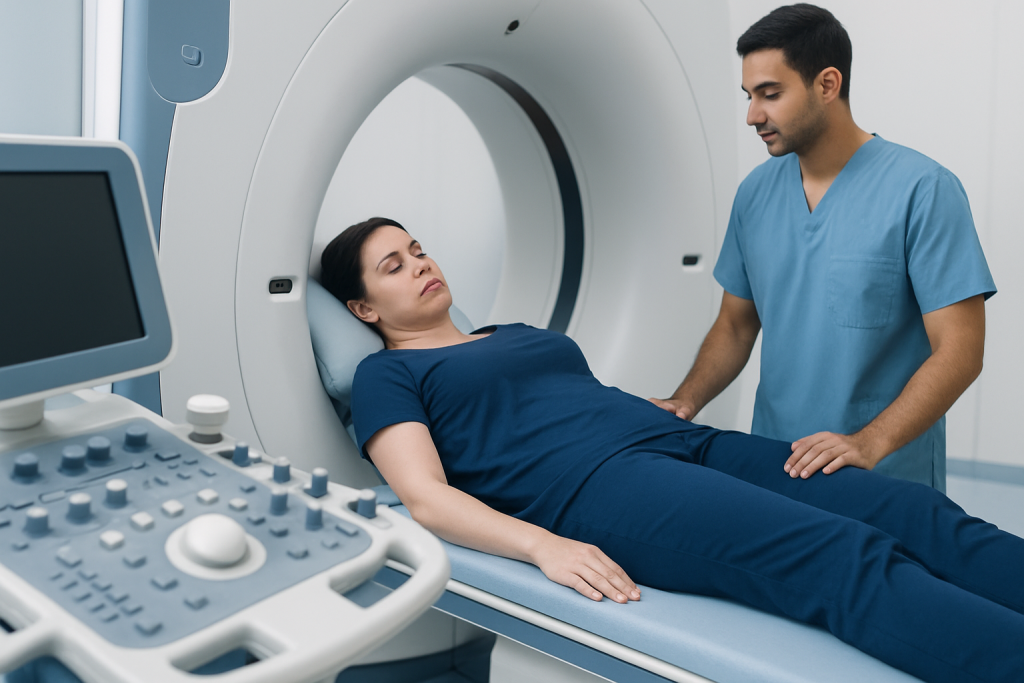
The most common symptom is a deep aching pain in the buttock, often on one side. Some people describe it as a sharp, burning, or nagging discomfort that becomes more noticeable when sitting on a hard surface, getting out of a car, or rising after a long period of rest.
Symptoms may stay local to the buttock, but they can also radiate into the back of the thigh, calf, or even the foot. This spread of pain can feel unsettling, yet it does not always mean there is a spinal nerve problem. Numbness, tingling, or a sensation of heaviness in the leg can occur, although marked weakness is less typical and should be evaluated carefully.
Physical activity can influence the pattern. Walking uphill, climbing stairs, running, or turning the hip outward may aggravate discomfort. Some people notice a reduced range of motion in the hip, a feeling of tightness in the buttock, or pain during prolonged driving and long-haul travel. These clues are useful because they help clinicians distinguish piriformis syndrome from other causes of leg pain.
Causes & Risk Factors

Piriformis syndrome usually develops when the piriformis muscle is overworked, shortened, irritated, or spasming. Repetitive activity, poor movement mechanics, and prolonged sitting can all place extra stress on the muscle. In some people, anatomical differences between the piriformis muscle and the sciatic nerve may make irritation more likely.
Common risk factors include frequent running, cycling, rowing, or activities that repeatedly load the hip rotators. A sudden increase in training intensity, long hours of desk work, or extended travel with limited movement can also contribute. People who have had a fall, buttock injury, or prior pelvic or hip surgery may be more vulnerable as well.
It is also important to consider related conditions. Low back disorders, sacroiliac joint pain, hip arthritis, and true lumbar radiculopathy can produce similar symptoms. For this reason, a careful history is essential, especially for patients arriving from abroad who may already have had imaging or treatment without clear relief.
- Prolonged sitting or sedentary work
- Repetitive sports such as running or cycling
- Muscle tightness or imbalance around the hip
- Direct injury to the buttock or pelvis
- Anatomical variation near the sciatic nerve
Diagnosis
Diagnosis begins with a detailed symptom review and physical examination. A clinician will ask when the pain started, what makes it better or worse, whether symptoms travel down the leg, and whether there has been any injury, new exercise routine, or long period of sitting. The pattern of pain often gives the first important clue.
During the examination, the clinician may check hip motion, tenderness in the buttock, posture, gait, and signs of nerve irritation. Certain maneuvers that stretch or activate the piriformis muscle can reproduce symptoms and support the diagnosis. At the same time, the examiner looks for signs that point instead to a spinal or hip condition.
Imaging tests are not always necessary, but they may be used when the diagnosis is uncertain or when another problem needs to be excluded. MRI, ultrasound, or other studies can help evaluate the spine, hip, or soft tissues. Electrophysiologic tests are sometimes considered when symptoms are persistent or when there is concern about nerve involvement. The main goal is to arrive at the correct explanation rather than treating the pain as a generic sciatica picture.
Treatment Options
Most people with piriformis syndrome begin with conservative treatment. Rest does not usually mean complete inactivity; rather, it means reducing movements that repeatedly trigger symptoms while maintaining gentle mobility. A physiotherapy-guided plan is often central, especially when care needs to continue after travel or across different healthcare systems.
Stretching, manual therapy, and targeted strengthening exercises may help reduce muscle tension and improve hip mechanics. Rehabilitation usually focuses on the surrounding muscles as well, including the gluteal muscles and core, because better support around the pelvis can reduce strain on the piriformis. Gradual progress is generally preferred over aggressive stretching, which can sometimes irritate the area further.
Knee Pain Relief: Causes and Treatment" class="ahp-ilk">Pain relief measures may include heat, activity modification, and anti-inflammatory medicines if a doctor considers them appropriate. In some cases, a clinician may recommend a local injection to reduce inflammation and help confirm the source of pain. Surgery is rarely needed and is considered only when symptoms are persistent, clearly linked to nerve compression, and not improving with comprehensive non-surgical care.
For international patients, follow-up planning matters as much as the initial diagnosis. A clear rehabilitation schedule, written exercise instructions, and coordination with a home-country clinician can help treatment continue smoothly after the return flight.
Prevention & Self-care
Not every case can be prevented, but many flare-ups can be reduced by improving hip and pelvic mechanics and avoiding long periods of uninterrupted sitting. People who work at desks or travel frequently may benefit from standing up, walking, and changing position at regular intervals. Even short movement breaks can help reduce pressure on the buttock muscles.
A gentle home routine may include stretches recommended by a physiotherapist, light strengthening exercises, and attention to posture during sitting and lifting. Runners and cyclists often do better when training changes are introduced gradually and footwear, bike fit, or movement form are reviewed. If pain starts to increase, it is usually wiser to dial back activity temporarily than to push through it.
Self-care also means noticing patterns. Pain that appears after a long drive, after sitting through meetings, or after returning to exercise can provide helpful clues for future prevention. Keeping a brief symptom log may help both the patient and the clinician understand which positions or activities are most important.
- Take regular movement breaks during work or travel
- Follow a graded return to exercise
- Use stretches and strengthening exercises taught by a clinician
- Avoid sitting on very hard surfaces for long periods if that worsens pain
- Review equipment and technique for sports that load the hips
When to See a Doctor
Medical review is advisable when buttock or leg pain lasts more than a short period, keeps returning, or interferes with daily activity, sleep, work, or exercise. A doctor can help confirm whether the pain source is the piriformis muscle or another structure that needs different treatment.
Prompt evaluation is especially important if there is notable leg weakness, worsening numbness, problems with walking, bladder or bowel changes, fever, unexplained weight loss, or pain after a significant injury. These symptoms do not always mean something serious, but they deserve timely assessment so the right diagnosis is not missed.
People who have already tried rest and basic self-care without improvement may also benefit from a specialist opinion. For patients traveling internationally, it is helpful to seek care early enough to allow examination, treatment planning, and safe follow-up before and after the trip. Acibadem Health Point’s multidisciplinary specialists and JCI-accredited hospitals can diagnose and treat piriformis syndrome for international patients in a coordinated way.
Living With Piriformis Syndrome
Recovery is often gradual rather than immediate, and that is normal. Some days the pain settles well, while other days sitting, lifting luggage, or a long transfer through an airport can trigger a flare. A realistic plan usually works better than an all-or-nothing approach, especially when the patient is balancing treatment with work or travel responsibilities.
Many patients do best when they combine professional guidance with practical habits: paced activity, exercises that are easy to keep up with, and a clear understanding of what to avoid during flare-ups. A good treatment plan also leaves room for reassessment if the pattern changes, because persistent leg pain deserves periodic review.
When the diagnosis is correct and the rehabilitation strategy is consistent, piriformis syndrome is often manageable without major intervention. The aim is not only to reduce pain, but also to restore comfortable movement and confidence in everyday activities.
Frequently asked questions
Is piriformis syndrome the same as sciatica?
Not exactly. Sciatica describes pain that follows the sciatic nerve path, while piriformis syndrome is one possible cause of similar symptoms. Because the pain patterns overlap, a clinical assessment is needed to determine the true source.
Can piriformis syndrome go away on its own?
Some mild cases improve with rest, movement changes, and time. However, symptoms that persist or keep returning often benefit from physiotherapy and a structured treatment plan rather than waiting alone.
What activities usually make piriformis syndrome worse?
Long sitting, climbing stairs, running, cycling, and movements that rotate or load the hip can worsen symptoms. Each person’s triggers may differ, so identifying the pattern is useful for recovery and prevention.
Do I always need an MRI for piriformis syndrome?
No. Many cases are diagnosed through history and physical examination, with imaging used only when another cause needs to be ruled out. Tests are chosen based on the symptoms and the doctor’s findings.
Can exercise help piriformis syndrome?
Yes, when it is the right kind of exercise and introduced gradually. Stretching and strengthening are often helpful, but the plan should be individualized so that it supports healing rather than provoking more pain.
When should pain in the buttock or leg be checked urgently?
Urgent evaluation is important if there is significant weakness, trouble walking, bladder or bowel changes, fever, or pain after a major injury. These features can suggest a condition that needs prompt attention.
References
- National Institute of Neurological Disorders and Stroke
- Mayo Clinic
- Cleveland Clinic
- American Academy of Orthopaedic Surgeons
- Merck Manual Professional Edition
This article is for general information only and is not a substitute for professional medical advice. Please consult a qualified doctor about your individual situation.
Joint and spine care in Turkey — expert assessment & treatment
JCI-accredited · board-certified surgeons · reply within 24h
Add us as a Preferred Source to see more of our trusted health content across Google Search, AI Overviews and Discover.
More from the Health Library



Related Specialists

Prof. Dr. Ahmet Alanay
Orthopedic Surgery & Traumatology
Dr. Sinan Aksu
Orthopedic Surgery & Traumatology
Dr. Sirri Baştürk
Orthopedic Surgery & Traumatology
Prof. Dr. Korhan Özkan
Orthopedic Surgery & Traumatology