Photographic Memory

Key Takeaways
- Photographic memory is commonly used to describe unusually vivid recall, but true perfect recall is not a typical human ability.
- Memory depends on attention, encoding, storage, and retrieval, not just raw brainpower.
- Poor sleep, stress, medications, mood changes, and neurological conditions can all affect memory.
- A doctor may recommend evaluation if memory changes are new, worsening, or interfere with daily life.
- Healthy routines, cognitive stimulation, and timely care can support memory over time.
Photographic memory is a popular phrase, but its meaning is often misunderstood. This article explains what people usually mean by the term, how memory actually works, and when forgetfulness may deserve medical attention.
Overview
The phrase photographic memory is used so often that it can sound like a formal diagnosis. In everyday conversation, it usually refers to someone who seems able to remember a page, a face, or a scene in striking detail after only one look. In medicine and psychology, however, the term is not used as a standard clinical label for most adults.
Human memory is more flexible and less camera-like than people often imagine. It is built from attention, meaning, repetition, and context. A person may remember certain details exceptionally well while forgetting others entirely. That mix is normal, and it does not necessarily reflect intelligence, effort, or character.
For international patients considering neurological evaluation abroad, it can be useful to understand that memory concerns are usually assessed as part of a broader picture: sleep, mood, medications, stress, learning style, and neurological health. A thoughtful consultation focuses on pattern, change over time, and day-to-day function rather than on a single test or label.
Symptoms and Common Misconceptions
People who are said to have photographic memory are often described as remembering text, numbers, routes, or visual scenes with unusual precision. They may recall small details from conversations or notice patterns quickly. In some cases, this ability is linked to strong visual memory, intense focus, or extensive practice rather than a special memory mechanism.
It is important to separate vivid memory from perfect memory. Most people who seem to remember everything are actually using a combination of strategies: strong attention, emotional tagging, repeated exposure, and organized mental imagery. Memory also changes over time; a recollection can feel extremely clear while still being incomplete or inaccurate.
- Memories can be selective, not photographic.
- Confidence in a memory does not always mean it is exact.
- Forgetting is a normal part of how the brain filters information.
- Some children and adults have exceptional recall in narrow areas without having universally superior memory.
In clinical settings, doctors are more interested in whether a person is experiencing memory loss, confusion, language difficulty, or problems with planning and judgment. These are the kinds of symptoms that can point to a health issue and deserve proper evaluation.
Causes and Risk Factors

There is no single cause of so-called photographic memory because the term itself covers several different experiences. Some people have unusually strong visual memory. Others have highly trained recall skills from study methods, professional practice, or repeated mental rehearsal. A few individuals may have rare memory-related traits, but these are not the rule.
Several factors can influence how well a person remembers information. Sleep quality is a major one, because the brain consolidates memory during rest. Stress and anxiety can also make recall less reliable by affecting attention and concentration. Mood disorders, such as depression, may slow thinking and reduce mental clarity.
Other contributors include head injury, thyroid problems, vitamin deficiencies, infections affecting the brain, and certain medications that cause sedation or mental fog. In older adults, gradual memory changes may also be related to normal aging or, in some cases, neurological conditions that deserve assessment. Risk does not come from one isolated factor; it often comes from several influences acting together.
Diagnosis and Memory Assessment
There is no single test that proves photographic memory. If a person or family member is concerned about memory, evaluation usually begins with a conversation about when the changes started, what kinds of information are affected, and whether daily activities are becoming harder. The doctor may ask about sleep, stress, alcohol use, medication history, and recent illness.
Depending on the situation, the assessment may include a neurological examination, brief cognitive screening, and sometimes more detailed neuropsychological testing. These tests look at attention, language, learning, recall, problem-solving, and visual-spatial skills. The goal is not to “rank” memory but to understand how the brain is working in real life.
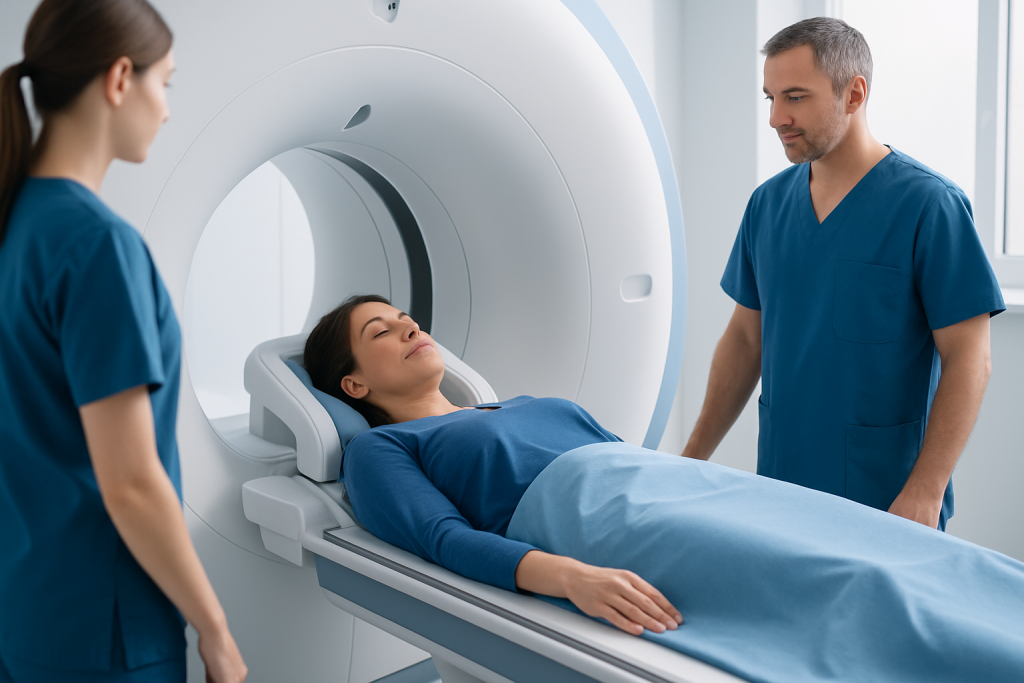
In some cases, blood tests or brain imaging may be recommended to look for reversible causes such as vitamin deficiency, thyroid imbalance, or structural problems. For international patients, this workup can often be coordinated efficiently, especially when travel time is limited and follow-up needs to be planned in advance.
Treatment Options and Supportive Approaches
Because photographic memory is not usually treated as a medical disorder, care depends on the underlying issue. If memory concerns are caused by sleep deprivation, stress, medication side effects, or a treatable medical condition, the plan focuses on addressing that root cause. When a neurological disorder is involved, treatment is tailored to the specific diagnosis.
Supportive strategies can be valuable even when no illness is found. Memory often improves when the brain has consistent routines and fewer competing demands. Useful approaches may include structured note-taking, spaced repetition, minimizing multitasking, and using visual associations or reminders for important tasks.
- Keep a regular sleep schedule whenever possible.
- Break complex information into smaller steps.
- Use calendars, phone alerts, or written checklists.
- Review important information soon after learning it.
- Limit alcohol and review medications with a doctor if brain fog is present.
In a specialty center, support may also include occupational therapy, cognitive rehabilitation, or counseling if memory concerns are affecting confidence and daily life. For patients traveling from abroad, the most useful plan is one that includes clear instructions, realistic expectations, and a follow-up strategy that can continue after returning home.
Prevention and Self-care
Not every memory issue can be prevented, but healthy brain habits can make a meaningful difference. Regular physical activity, good sleep, balanced nutrition, and treatment of chronic medical conditions all support cognitive function. A person does not need a perfect routine; consistency matters more than intensity.
Staying mentally active is helpful, especially when the activities are varied and engaging. Reading, learning a language, solving puzzles, and practicing a skill can all keep the brain challenged. Social connection is also important, since isolation and low mood can weaken concentration and recall.
Self-care should be practical rather than overwhelming. People often do better with simple systems they can keep using: one notebook, one calendar, one place for keys, and a habit of repeating important information aloud or in writing. These small adjustments can reduce daily frustration and make memory feel more dependable.
When to See a Doctor
A medical evaluation is a good idea when memory changes are new, getting worse, or affecting work, school, relationships, or safety. It is especially important to seek care if a person is getting lost in familiar places, repeating questions frequently, struggling to find words, or having trouble managing money or medications.
Urgent assessment may be needed if memory problems appear suddenly, especially after a head injury, severe headache, fever, seizure, fainting episode, or confusion. Sudden changes can sometimes signal a condition that should not be watched at home.
For people who travel for care, it helps to bring a list of symptoms, current medications, prior test results, and a relative or companion who knows the history. Acibadem Health Point’s multidisciplinary specialists and JCI-accredited hospitals can diagnose and treat memory-related conditions for international patients in a coordinated setting.
Even when the concern turns out to be benign, a consultation can be reassuring. It can clarify whether the issue is a normal lapse, a lifestyle-related problem, or something that deserves treatment.
Outlook
Most people who worry about photographic memory are actually asking a broader question: how can memory be better understood and supported? The answer depends on the person. Some will discover that their memory is selective but normal. Others may uncover a sleep, mood, medication, or neurological issue that can be addressed.
The outlook is often best when the cause is identified early and the plan is realistic. Memory is not fixed in a simple on-or-off way. It can be strengthened by habits, helped by treatment, and made more reliable through structure and follow-up.
When memory changes are persistent or troubling, the most useful next step is not guessing whether someone has photographic memory. It is getting a careful evaluation that respects the complexity of the brain and the practical realities of daily life.
Frequently asked questions
Is photographic memory real?
The term is widely used, but it is not a standard medical diagnosis for most people. Some individuals have unusually strong visual recall or highly trained memory skills, but perfect memory is not considered typical human memory.
Does having photographic memory mean someone is smarter?
Not necessarily. Memory, intelligence, attention, creativity, and problem-solving are related but different abilities. A person may have excellent recall in one area and average skills in another.
Can memory be improved?
Yes, in many cases memory can be supported through better sleep, stress management, repetition, organization, and treating underlying medical issues. Memory strategies often help more than trying to memorize by force.
What tests are used to check memory problems?
Doctors may use cognitive screening, neurological examination, and sometimes more detailed neuropsychological testing. Blood tests or imaging may be ordered if a reversible or neurological cause is suspected.
When should memory changes be taken seriously?
Memory changes should be evaluated if they are new, worsening, or interfering with everyday tasks. Sudden confusion, disorientation, or memory loss after injury or illness should be assessed promptly.
Can stress cause forgetfulness?
Yes, stress can make it harder to focus, encode new information, and retrieve memories. When stress improves, memory often becomes clearer as well.
References
- National Institute on Aging
- Mayo Clinic
- Alzheimer's Association
- American Academy of Neurology
- National Institute of Neurological Disorders and Stroke
This article is for general information only and is not a substitute for professional medical advice. Please consult a qualified doctor about your individual situation.