Parietal Lobe Function

Key Takeaways
- The parietal lobe processes sensory information such as touch, pressure, and body position.
- It supports spatial awareness, navigation, attention, and parts of language and reading.
- Parietal lobe problems may cause numbness, difficulty judging distances, or trouble with simple tasks.
- Causes range from stroke and head injury to tumors, seizures, and neurodegenerative disease.
- Diagnosis usually involves a neurological exam and brain imaging.
- Prompt medical evaluation is important if symptoms appear suddenly or worsen over time.
The parietal lobe helps the brain interpret touch, spatial awareness, and how the body moves through the world. When this region is affected, a person may notice changes in sensation, coordination, reading, or awareness of one side of the body.
Overview
The parietal lobe is one of the brain’s major information-processing regions. It sits near the top and back of the head and helps connect what the body feels with what the mind understands. In everyday terms, it is part of the system that tells a person where they are in space, what is touching them, and how to move safely and accurately.
Rather than working alone, the parietal lobe constantly exchanges signals with the frontal, temporal, and occipital lobes. This teamwork supports reading, calculation, hand-eye coordination, spatial judgment, and attention. For many patients, it is easiest to think of the parietal lobe as a translator: it turns raw sensory input into useful guidance for action.
When this area is injured or disrupted, the effects can be surprisingly practical and sometimes subtle. A person may miss objects on one side, struggle to copy shapes, have trouble dressing, or feel uncertain about where their limbs are positioned. Because these changes can affect daily independence, understanding parietal lobe function can help families recognize problems earlier and seek the right care.
Symptoms
Symptoms of parietal lobe dysfunction depend on which side of the brain is affected and how much tissue is involved. Some people notice sensory changes first, such as numbness, tingling, reduced ability to recognize textures, or difficulty telling the position of a body part without looking at it. Others become aware of problems with orientation, reading, or handling familiar objects.
Common signs may include:
- Difficulty sensing touch, temperature, or pain on one side of the body
- Poor spatial awareness, bumping into objects, or misjudging distances
- Trouble with writing, drawing, or copying simple figures
- Difficulty recognizing fingers, left from right, or the position of limbs
- Problems with reading, especially when language networks are also involved
- Neglect of one side of the body or surrounding space
Some symptoms are obvious to others before they are obvious to the person experiencing them. For example, a patient may keep reaching to the wrong side of a cup, miss food on one side of a plate, or seem unaware of a hand injury. After a stroke or head injury, these changes can appear suddenly; with other conditions, they may develop gradually and be easier to overlook at first.
Causes & Risk Factors

The parietal lobe can be affected by many different conditions. Stroke is one of the most important causes, especially when blood flow is interrupted in the regions that feed the parietal cortex. Head trauma, brain tumors, infections, and inflammatory conditions can also interfere with its function.
Other possible causes include seizures, multiple sclerosis, dementia-related diseases, and rare structural abnormalities of the brain. In some cases, the parietal lobe is not damaged directly, but its network connections are disrupted, which can still change how the person senses and interprets the world.
Risk factors vary with the cause. Vascular risks such as high blood pressure, diabetes, smoking, atrial fibrillation, and high cholesterol raise the chance of stroke. A history of falls, sports injuries, or vehicle accidents may increase the risk of traumatic brain injury. Age can also matter, since some degenerative and vascular conditions become more common later in life.
Diagnosis
Evaluation usually begins with a careful history and neurological examination. A clinician may ask when the symptoms started, whether they came on suddenly or gradually, and how they are affecting reading, walking, dressing, or daily tasks. Simple bedside tests can reveal loss of sensation, poor balance, neglect of one side, or difficulty with spatial tasks.
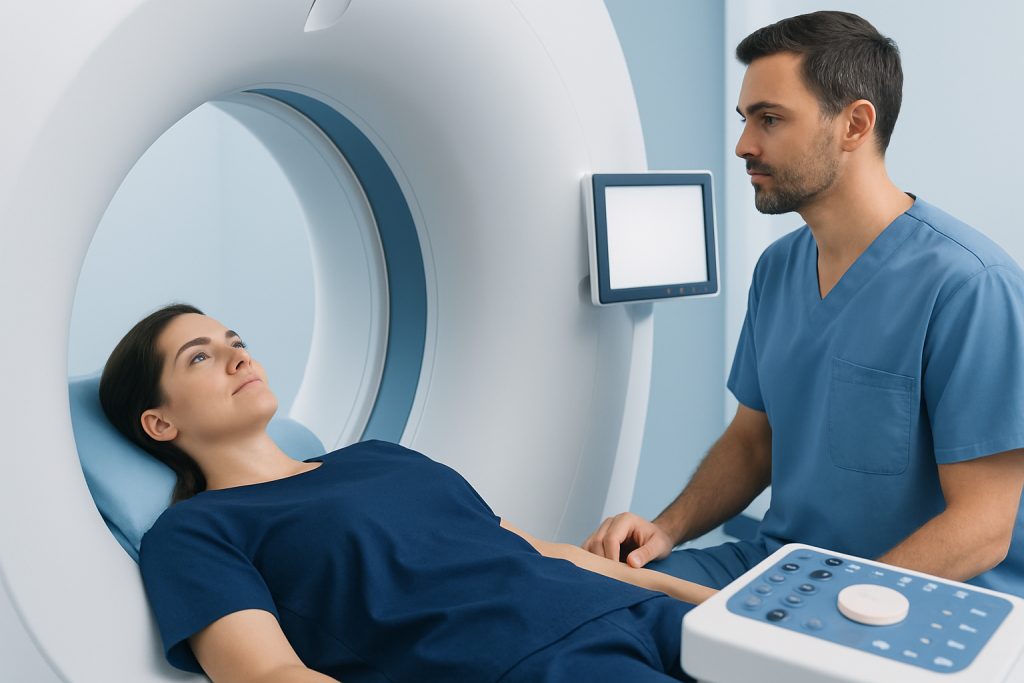
Brain imaging is often needed to identify the underlying cause. Computed tomography may be used quickly in urgent situations, especially when stroke or bleeding is a concern. Magnetic resonance imaging can provide more detailed views of brain tissue and may help detect smaller strokes, tumors, inflammation, or other structural changes.
Depending on the suspected cause, additional tests may be recommended. These may include blood tests, vascular studies, electroencephalography if seizures are suspected, or cognitive testing to understand the pattern of impairment. For international patients, it is often helpful to bring prior imaging, discharge summaries, and medication lists, since comparing old and new information can speed up the diagnostic process.
Treatment Options
Treatment focuses on the cause of the parietal lobe problem. If the issue is a stroke, care may include urgent stroke treatment, prevention of future vascular events, and rehabilitation. If a tumor is involved, management may require surgery, radiation therapy, chemotherapy, or a combination of approaches. Inflammatory, infectious, or seizure-related causes are treated according to the underlying diagnosis.
Rehabilitation is often an important part of recovery because the parietal lobe influences everyday function rather than a single isolated skill. Occupational therapy can help with dressing, grooming, writing, and safe movement around the home. Physical therapy may improve balance and coordination, while speech and language therapy can support reading, communication, and attention when those abilities are affected.
Some patients benefit from structured strategies that compensate for loss of spatial awareness or neglect. These may include visual scanning exercises, reminder systems, adaptive tools, and home safety modifications. Recovery can be gradual, and progress is often measured in practical gains such as better self-care, safer walking, or improved confidence in familiar routines.
Prevention & Self-care
Not every cause of parietal lobe dysfunction is preventable, but several steps can lower risk, especially for vascular and injury-related problems. Controlling blood pressure, blood sugar, and cholesterol; staying physically active; avoiding tobacco; and following a clinician’s advice about heart rhythm or clotting problems can all support brain health.
Protecting the head is equally important. Wearing seatbelts, using helmets for cycling or contact sports, and reducing fall hazards at home can help prevent traumatic brain injury. For people with a history of stroke or seizures, following the treatment plan consistently and attending follow-up appointments can make an important difference.
Self-care after a parietal lobe condition often means making the environment easier to navigate. Clear walkways, bright lighting, large-print labels, and familiar routines may reduce confusion. When a person is traveling for care, it can be useful to plan recovery time, arrange assistance for mobility or reading tasks, and keep a written list of medications and questions for the specialist team.
When to See a Doctor
Sudden numbness, weakness, confusion, loss of balance, trouble speaking, or a new problem with vision or spatial awareness should be assessed urgently. These symptoms can signal a stroke or another time-sensitive neurological problem and should not be observed at home for long.
A medical review is also appropriate if a person develops ongoing difficulty reading, writing, dressing, recognizing one side of the body, or judging distances. Gradual symptoms may reflect a slowly growing tumor, a neurodegenerative condition, or another neurological disorder that benefits from earlier diagnosis and treatment.
If a diagnosis has already been made, follow-up is important when symptoms change, recovery stalls, or new concerns appear after discharge. Acibadem Health Point’s multidisciplinary specialists and JCI-accredited hospitals can evaluate and treat parietal lobe-related conditions for international patients, with coordination that supports both diagnosis and recovery planning.
Frequently asked questions
What does the parietal lobe do in simple terms?
The parietal lobe helps the brain understand touch, body position, and space. It also supports tasks like reading, drawing, and moving safely through the environment.
What happens if the parietal lobe is damaged?
Damage can cause numbness, poor spatial awareness, difficulty reading or writing, and trouble recognizing one side of the body or space. The exact symptoms depend on which side is affected and what caused the injury.
Can parietal lobe problems improve?
Yes, improvement is often possible, especially when the underlying cause is treated and rehabilitation begins early. Some functions recover fully, while others may improve through therapy and compensatory strategies.
Is parietal lobe damage always caused by stroke?
No. Stroke is a common cause, but head injury, tumors, seizures, infections, inflammatory diseases, and neurodegenerative conditions can also affect this area. A proper evaluation is needed to find the cause.
How is parietal lobe dysfunction diagnosed?
Doctors usually begin with a neurological exam and a review of symptoms. Brain imaging such as CT or MRI is often used to identify the underlying problem.
What kind of doctor treats parietal lobe disorders?
A neurologist commonly leads the evaluation, and other specialists may join the team depending on the cause. Rehabilitation therapists are often involved to help with daily function and recovery.
References
- National Institute of Neurological Disorders and Stroke
- Mayo Clinic
- Cleveland Clinic
- World Health Organization
- American Stroke Association
This article is for general information only and is not a substitute for professional medical advice. Please consult a qualified doctor about your individual situation.