Panda Disease: Symptoms, Causes and Treatment

Key Takeaways
- PANDAS disease is linked to sudden neuropsychiatric symptoms in some children after a strep infection.
- The most common concerns are abrupt OCD symptoms, tics, anxiety, and changes in behavior or school function.
- Diagnosis is based on history, symptoms, and medical evaluation rather than one single test.
- Treatment may include managing the infection, supporting symptoms, and sometimes specialist-directed therapies.
- Early assessment is helpful, especially when symptoms start quickly or interfere with daily life.
Medically reviewed by the Acıbadem clinical team — August 19, 2026
PANDAS disease is a condition in which a child develops sudden obsessive-compulsive symptoms, tics, or other behavioral changes after a streptococcal infection. Because symptoms can appear abruptly, families often need clear guidance on what to watch for, how doctors evaluate the child, and which treatments may help.
Overview
PANDAS disease is short for pediatric autoimmune neuropsychiatric disorders associated with streptococcal infections. It describes a pattern seen in some children in which symptoms such as obsessive-compulsive behaviors, tics, anxiety, or sudden emotional changes appear soon after a strep throat infection or another streptococcal illness.
The idea behind PANDAS is that the immune response to infection may mistakenly affect parts of the brain involved in movement, behavior, and emotion. Not every child with strep infection develops these symptoms, and not every sudden change in behavior is PANDAS. That is why careful medical evaluation matters.
Families often first notice that a child seems different almost overnight. A child who was managing well may suddenly begin washing hands repeatedly, checking things over and over, blinking or throat-clearing often, or showing marked separation anxiety. The abruptness of the change is one of the features that prompts doctors to consider this diagnosis.
Symptoms
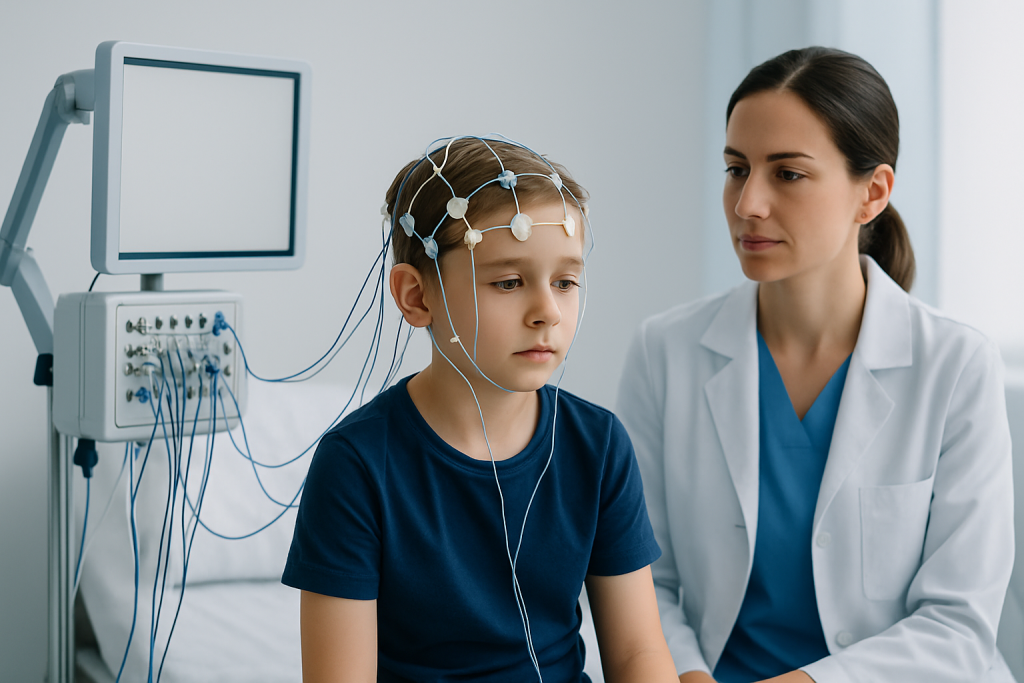
PANDAS symptoms usually begin quickly, sometimes within days or weeks of an infection. The change can be striking because it often contrasts with the child’s previous behavior and developmental pattern. Some children experience only one dominant symptom, while others have several at the same time.
Common symptoms can include:
- Sudden obsessive thoughts or compulsive rituals
- Tics such as blinking, facial movements, shoulder jerks, or repeated sounds
- New or increased anxiety, irritability, or emotional sensitivity
- Separation anxiety or sleep disruption
- Regression in school performance or handwriting
- Urinary frequency or bedwetting in some cases
Symptoms can fluctuate. A child may appear better for a period and then worsen again, especially if another infection occurs. Because these changes can also happen with other medical or mental health conditions, a child should not be assumed to have PANDAS without evaluation.
Causes & Risk Factors

The exact cause of PANDAS is still being studied. The leading theory is that, in certain children, the immune response to a streptococcal infection becomes misdirected and affects brain circuits involved in behavior and movement. This is often described as an autoimmune or post-infectious process.
Researchers have not identified a single trigger that explains every case. Some children with a history of strep infection never develop neuropsychiatric symptoms, while others may show a clear temporal pattern between infections and symptom flare-ups. Genetics, immune response differences, and environmental factors may all play a role.
Risk may be higher in school-aged children, and symptoms are commonly recognized in children rather than adults. A recent or repeated streptococcal infection, a family history of autoimmune or neuropsychiatric conditions, and abrupt symptom onset may increase clinical suspicion, but none of these factors alone confirms the diagnosis.
Diagnosis
There is no single laboratory test that proves PANDAS disease. Doctors usually make the diagnosis by combining the child’s medical history, the timing of symptom onset, a Physical Exam: What to Expect" class="ahp-ilk">physical exam, and tests that look for a recent or current streptococcal infection.
A clinician may ask detailed questions about when symptoms started, how quickly they changed, whether a sore throat or other infection occurred beforehand, and whether the child has had similar episodes in the past. This history is especially important because the timing can help distinguish PANDAS from other causes of tics or OCD-like symptoms.
Testing may include throat swabs, blood tests for evidence of recent infection, and evaluation for other possible explanations. In some situations, referral to a pediatrician, child neurologist, child psychiatrist, or immunology specialist may be appropriate. This broader assessment helps ensure the child receives care that matches the actual cause of symptoms.
Treatment Options
Treatment for PANDAS is individualized and often focuses on more than one goal at the same time: addressing infection if present, easing psychiatric or neurologic symptoms, and supporting the child’s day-to-day functioning. The best plan depends on the child’s age, symptom pattern, and overall health.
If a streptococcal infection is confirmed, doctors may treat it according to standard medical practice. Symptom-directed care is also important. Children with obsessive-compulsive symptoms may benefit from behavioral therapy, especially exposure-based approaches used for OCD. Children with tics, anxiety, or sleep disruption may need additional supportive care from specialists familiar with pediatric neuropsychiatric symptoms.
In some cases, doctors may discuss anti-inflammatory or immune-modulating treatments, but these are not used for every child and should be considered only after careful specialist evaluation. Because the evidence and recommendations can vary based on the individual case, families should avoid self-treating and instead work with a qualified clinician who can explain the risks and benefits clearly.
Prevention & Self-care
There is no guaranteed way to prevent PANDAS, but prompt attention to infections and steady follow-up can reduce uncertainty and help families respond earlier if symptoms begin. Regular pediatric care is useful, especially for children who have had previous episodes after illness.
At home, families can support recovery by keeping routines as predictable as possible. A calm daily structure, good sleep habits, and clear communication with school staff can reduce stress for a child who is already struggling with intrusive thoughts or sudden behavior changes. It can also help to record symptom changes, infection dates, and any treatments given, since this timeline is often valuable during medical visits.
If a child is traveling internationally for evaluation or treatment, planning matters. Families should bring prior records, medication lists, and notes describing symptom onset, since a concise history can make specialist visits more efficient and help doctors understand the course of the illness.
When to See a Doctor
A child should be evaluated promptly if obsessive-compulsive behaviors, tics, or major behavioral changes appear suddenly, especially after a recent sore throat, fever, or known strep exposure. Rapid onset is one of the reasons PANDAS enters the conversation, and early assessment can help rule out other conditions.
Medical review is also important if symptoms are interfering with eating, sleeping, school attendance, or family life. In urgent situations, such as severe agitation, suicidal thoughts, inability to function, or signs of a serious infection, immediate medical care is needed. These situations are not typical of routine PANDAS evaluation and require prompt attention regardless of the underlying cause.
Families seeking coordinated care may find it helpful to work with a center that can connect pediatrics, neurology, psychiatry, and infectious disease expertise. Acibadem Health Point’s multidisciplinary specialists and JCI-accredited hospitals diagnose and treat this condition for international patients, with care plans built around accurate evaluation and follow-up.
Living With PANDAS in the Real World
For families, the hardest part is often the uncertainty. A child may seem perfectly well one week and then struggle to speak comfortably, stay in class, or separate from a parent the next. Because the symptoms can be disruptive and confusing, practical support is just as important as the medical workup.
Teachers, relatives, and caregivers may need a simple explanation that the child’s behavior is not deliberate. Short written updates, school accommodations, and a plan for follow-up visits can make daily life more manageable. When symptoms improve, gradual return to normal routines is usually more helpful than overprotecting the child.
PANDAS is a condition best approached with patience, close observation, and coordinated care. While the path to diagnosis can take time, children often do better when families have a clear plan and a team that understands both the medical and emotional sides of the experience.
Frequently asked questions
What is the difference between PANDAS and regular tics or OCD?
PANDAS is considered when tics or obsessive-compulsive symptoms begin very suddenly and appear linked to a recent streptococcal infection. Regular tics or OCD can develop more gradually and may not have that infection-related pattern. A doctor looks at timing, symptoms, and medical history before deciding whether PANDAS is likely.
Can PANDAS be diagnosed with a blood test?
No single blood test can confirm PANDAS. Doctors may order tests to look for evidence of a recent strep infection or to rule out other conditions, but the diagnosis is mainly clinical. The child’s symptom pattern and history are central to the evaluation.
Does every child with strep throat develop PANDAS?
No. Most children who get strep throat do not develop PANDAS. Only a small subset appears to have the immune and neurologic response that leads to these sudden symptoms.
What kinds of specialists may be involved in care?
Depending on the child’s symptoms, care may involve a pediatrician, child neurologist, child psychiatrist, infectious disease specialist, or immunology specialist. Some children also benefit from behavioral therapy with a clinician experienced in pediatric OCD and tics. Coordinated care can help the family move through evaluation and treatment more smoothly.
Can symptoms come back after they improve?
Yes, symptoms may flare again, especially if the child develops another infection or experiences significant stress. This is one reason follow-up is important even after the first episode improves. Keeping a symptom timeline can help doctors spot patterns over time.
Is PANDAS the same as PANS?
No, they are related but not identical. PANDAS refers to cases associated with streptococcal infection, while PANS is a broader term for sudden-onset neuropsychiatric symptoms that may have other triggers. A doctor can explain which term best fits the child’s situation.
References
- American Academy of Pediatrics
- National Institute of Mental Health
- Centers for Disease Control and Prevention
- Mayo Clinic
- National Institute of Neurological Disorders and Stroke
This article is for general information only and is not a substitute for professional medical advice. Please consult a qualified doctor about your individual situation.
Explore treatments in Turkey — costs, top hospitals & a free quote
JCI-accredited · board-certified surgeons · reply within 24h
Add us as a Preferred Source to see more of our trusted health content across Google Search, AI Overviews and Discover.