Palate Expander

Key Takeaways
- A palate expander helps widen the upper jaw when there is not enough space for the teeth or bite to align well.
- It is commonly used for crowding, crossbite, and certain breathing or speech-related concerns linked to a narrow palate.
- The device is activated gradually, usually at home under an orthodontist’s instructions, then kept in place while new bone stabilizes.
- Temporary pressure, changes in speech, and food restrictions are common, but serious problems are uncommon when the appliance is monitored properly.
- Good cleaning, careful turning of the appliance, and regular follow-up visits help treatment stay comfortable and effective.
A palate expander is an orthodontic device used to widen a narrow upper jaw, creating more room for the teeth and improving how the bite fits together. It is often recommended in children and adolescents, but some adults may also benefit from carefully planned expansion.
Overview
A palate expander is an orthodontic appliance designed to make the upper jaw wider. When the upper jaw is too narrow, the upper and lower teeth may not meet in a balanced way, and there may not be enough room for adult teeth to come in comfortably. By creating extra width, the device can improve bite alignment and make later orthodontic treatment more efficient.
Most people hear about palate expanders during childhood or the early teen years, when the bones of the upper jaw are still responsive to change. In some situations, however, adults may also be evaluated for expansion, often as part of a broader treatment plan. The exact approach depends on age, jaw structure, dental crowding, and overall oral health.
For international patients considering treatment abroad, a palate expander is usually one step in a longer orthodontic journey. That journey may involve an initial consultation, digital imaging, appliance fitting, home instructions for activation, and follow-up visits that can sometimes be coordinated across countries when planning is done carefully.
Symptoms and signs a palate expander may be considered for
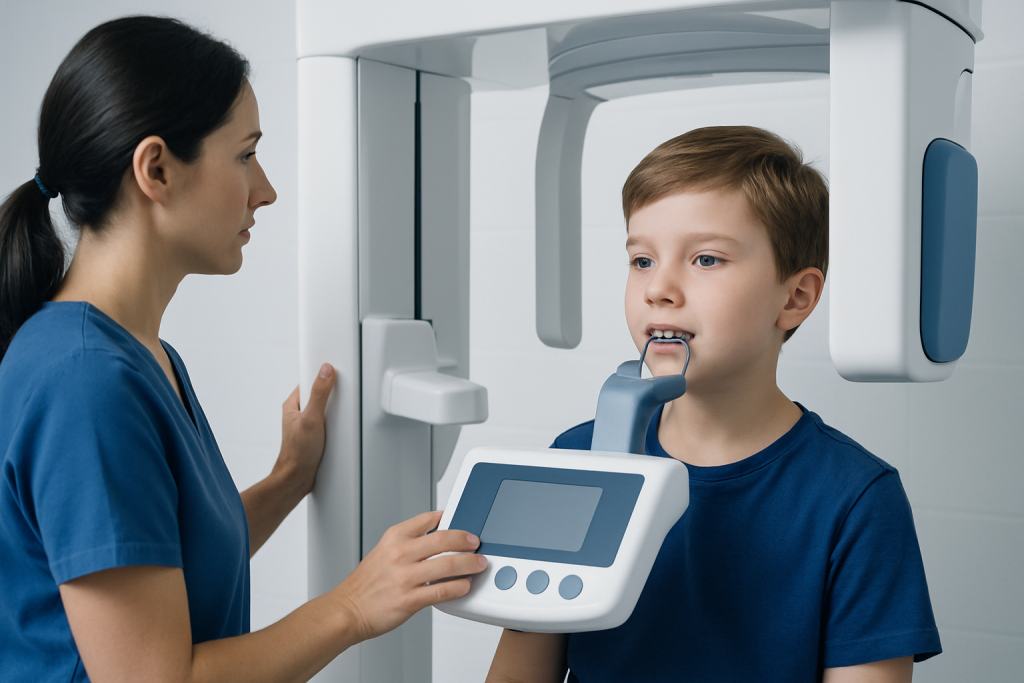
A narrow upper jaw does not always cause pain, but it can show up in everyday details. Some children and teens have crowded teeth, a bite that feels uneven, or upper teeth that sit inside the lower teeth instead of outside them. Others may have a visible space between the upper and lower arches when they bite down.
Common signs that an orthodontist may look for include:
- Crossbite, where the upper teeth bite inside the lower teeth
- Crowding or limited space for permanent teeth
- Difficulty cleaning tightly packed teeth
- A high or narrow-looking palate
- Mouth breathing, snoring, or speech concerns in some patients
These signs do not automatically mean a palate expander is needed. They simply suggest that the width of the upper jaw should be assessed as part of a full orthodontic examination.
Causes and risk factors

A narrow palate can develop for several reasons. In some families, jaw shape tends to run in the same direction across generations, so genetics plays an important role. In other cases, early loss of baby teeth, habits such as thumb sucking, or differences in how the jaw develops can contribute to limited arch width.
Several factors may make expansion more likely to be recommended:
- Inherited small or narrow upper jaw
- Significant tooth crowding
- Crossbite affecting one or both sides of the bite
- Delayed eruption or impacted permanent teeth
- Preparation for braces or aligners that need more space
Age matters because the upper jaw is easier to widen before the midline bone connection fully matures. That is one reason orthodontists often suggest evaluation earlier rather than waiting until crowding becomes more pronounced. In adults, treatment can still be possible, but the plan may be different and may require more specialized care.
How diagnosis and treatment planning work
Diagnosis begins with an orthodontic examination. The clinician reviews the bite, tooth spacing, facial symmetry, and jaw relationship, then typically uses X-rays, photos, and dental scans or impressions to study the shape of the upper arch. These records help determine whether widening the palate would improve function and whether it should be done before, during, or after other orthodontic steps.
Parents and patients often want to know whether the device is truly necessary. The answer depends on the pattern of the bite and the amount of available space. An orthodontist may recommend a palate expander alone, or may pair it with braces, clear aligners, or other appliances to guide teeth into the new space.
For international patients, it is especially helpful to ask how many visits are needed, how turning the appliance is monitored, and what kind of follow-up can be handled remotely or with a local dentist after returning home. Clear planning before travel can reduce delays and make the treatment course easier to manage.
Treatment options and how a palate expander works
Most palate expanders are fixed to the upper teeth and have a small central screw mechanism. The orthodontist provides exact instructions for turning the screw, usually in small increments over a period of days or weeks. Those gentle turns place pressure on the upper jaw and encourage it to widen gradually.
The process usually has two phases. First comes the active expansion phase, when the appliance is turned to create width. Then comes the holding phase, when the expander stays in place without further adjustments so new bone can stabilize in the widened position. This retention period is important, because the space created needs time to become secure.
Patients may notice a gap developing between the front teeth, temporary pressure across the nose or cheeks, or changes in speech during the early days. These effects are usually expected and often improve as the mouth adapts. If an expander is being considered for an adult, the orthodontist may discuss whether a dental expander, skeletal expansion, or another approach is more suitable.
In some cases, additional treatment is needed after expansion. Braces may be used to close spaces, align the teeth, and refine the bite. The overall plan is individualized, which is why the details of one patient’s appliance schedule may be very different from another’s.
What to expect during treatment
The first days after placement can feel unfamiliar. The appliance may seem bulky, and eating and speaking may take a short adjustment period. Mild tenderness is common, especially after turns of the screw, but the experience should remain manageable with guidance from the orthodontic team.
Food choices often need to change for a while. Soft foods are easier in the beginning, and sticky or very hard foods can damage the appliance. Good brushing is essential, because the device has small areas where food can collect. Many orthodontists also recommend rinsing after meals and using special cleaning tools around the expander.
Regular reviews help confirm that the palate is widening as planned. During these appointments, the orthodontist checks fit, symmetry, hygiene, and the bite. If a patient is traveling for care, it is important to leave with a clear schedule for follow-up, along with instructions for what to do if the appliance loosens, pokes, or becomes difficult to clean.
Prevention, home care, and practical tips
Not every narrow palate can be prevented, but some problems can be reduced with earlier dental attention. Routine childhood dental visits help identify crowding or bite changes before they become more complicated. Addressing habits such as prolonged thumb sucking or untreated mouth breathing may also support healthier jaw development in some children.
Once treatment begins, daily care makes a meaningful difference. The appliance should be brushed carefully after meals, and any food trapped around the screws or bands should be removed promptly. Patients should follow the turning schedule exactly as prescribed and avoid changing it on their own, since too much or too little activation can affect progress.
Helpful home-care habits include:
- Brushing after meals with a soft toothbrush
- Using floss or interdental cleaners as recommended
- Avoiding sticky, chewy, and very hard foods
- Keeping all orthodontic appointments
- Saving written instructions in case travel interrupts the routine
International patients may also benefit from carrying a copy of their treatment plan, appliance instructions, and imaging records when they return home. That makes it easier for any local dentist or orthodontist to understand what has already been done.
When to see a doctor
An orthodontic evaluation is appropriate when teeth look crowded, the bite seems off, or a child has persistent mouth breathing or a crossbite. Earlier assessment is often more useful than waiting, because growth can help guide treatment and may reduce the complexity of later care.
During active treatment, the orthodontist should be contacted if the appliance feels loose, a band breaks, the screw no longer turns as instructed, or there is persistent pain that does not settle. Sores, swelling, or difficulty eating beyond the expected adjustment period also deserve review. These issues are usually manageable, but they should be checked rather than ignored.
Patients planning treatment abroad should choose a team that explains the full process clearly, including follow-up needs after they leave. At Acibadem Health Point, multidisciplinary specialists and JCI-accredited hospitals diagnose and treat palate expansion cases for international patients as part of coordinated dental care, with attention to both the treatment plan and the practical realities of recovery away from home.
Frequently asked questions
What is a palate expander used for?
A palate expander is used to widen the upper jaw when there is not enough space for the teeth or the bite is not fitting well. It is commonly recommended for crowding, crossbite, and certain jaw-width problems.
Does getting a palate expander hurt?
Most patients feel pressure or mild soreness rather than sharp pain, especially after the appliance is activated. These sensations usually ease as the mouth adjusts, and the orthodontist can advise on comfort measures if needed.
How long does treatment with a palate expander take?
The active widening phase is usually followed by a holding period so the new width can stabilize. The total time varies based on age, jaw structure, and the treatment goals set by the orthodontist.
Can adults use a palate expander?
Yes, some adults can benefit from expansion, but the approach may differ from treatment in children. Adults often need a more specialized evaluation because the upper jaw is less flexible after growth is complete.
What should a patient avoid while wearing one?
Sticky, hard, and chewy foods can damage the appliance or make it harder to keep clean. It is also important not to change the turning schedule unless the orthodontist specifically instructs otherwise.
When should the orthodontist be contacted urgently?
The orthodontist should be contacted if the expander becomes loose, breaks, causes ongoing pain, or seems to stop working as expected. Any swelling, sores, or trouble eating that does not improve should also be reviewed.
References
- American Association of Orthodontists
- American Dental Association
- National Institute of Dental and Craniofacial Research
- Mayo Clinic
This article is for general information only and is not a substitute for professional medical advice. Please consult a qualified doctor about your individual situation.