Oxybutynin: Uses, Dosage and Side Effects

Key Takeaways
- Oxybutynin is most often prescribed for overactive bladder symptoms such as urgency, frequency, and urge incontinence.
- It works by relaxing the bladder muscle and reducing involuntary bladder contractions.
- Dry mouth, constipation, blurred vision, and sleepiness are common side effects that should be discussed with a doctor if bothersome.
- Older adults and people with certain conditions may need extra caution because anticholinergic medicines can affect memory, vision, and bowel function.
- Lifestyle changes, bladder training, and follow-up care often work best alongside medication.
Medically reviewed by the Acıbadem clinical team — August 19, 2026
Oxybutynin is a medicine commonly used to help calm an overactive bladder and reduce urinary urgency, frequency, and leakage. Understanding how it works, who may benefit, and what side effects to watch for can help patients use it more safely and confidently.
Overview
Oxybutynin is a prescription medicine used to help people whose bladder signals feel too strong, too frequent, or too difficult to control. It is commonly prescribed for overactive bladder, a condition in which the bladder contracts when it is not full, creating urgency, frequent trips to the toilet, and sometimes leakage before a bathroom is reached.
For many patients, the most frustrating part of overactive bladder is not only the symptoms themselves, but the way they shape daily life. Travel plans, meetings, sleep, exercise, and even short outings can become organized around restroom access. Oxybutynin may help reduce that pressure by making bladder contractions less sudden and less intense.
It is usually one part of a broader care plan rather than the only answer. Doctors often combine it with practical steps such as fluid timing, avoiding bladder irritants, pelvic floor exercises, and bladder training. For international patients considering treatment, a careful review of symptoms, medical history, and current medicines is especially important before starting therapy abroad or continuing it after returning home.
Symptoms It May Help
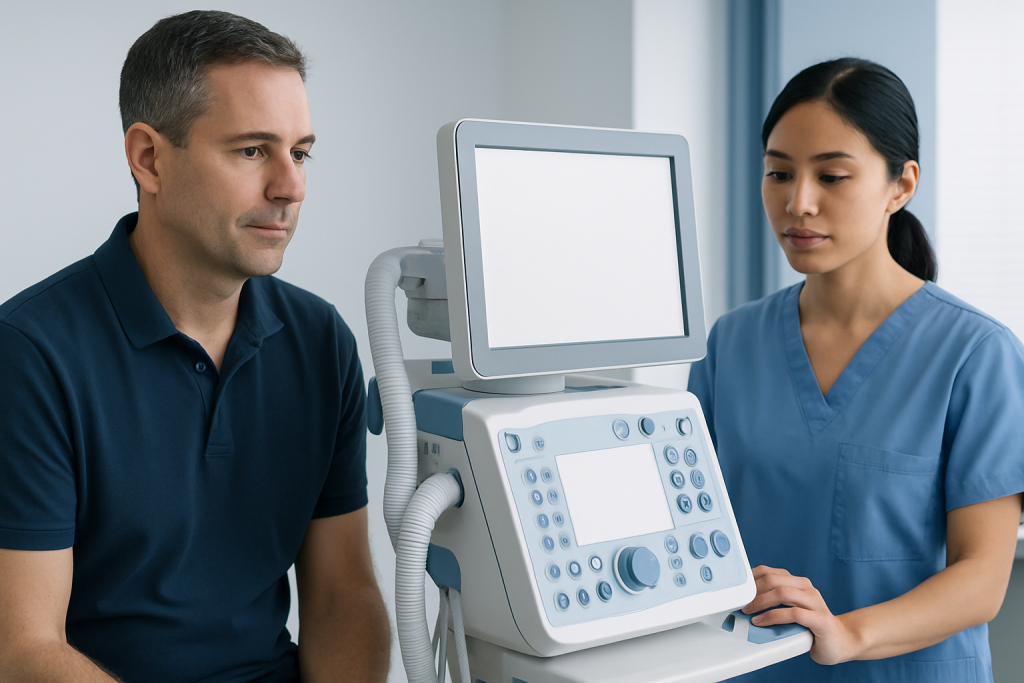
Oxybutynin is used for symptoms linked to bladder overactivity rather than for infections or pain caused by other urinary problems. The medicine may be considered when a person feels a sudden need to urinate that is hard to postpone, needs to urinate often during the day or night, or leaks urine after a strong urge.
Some people notice that urgency becomes most disruptive in predictable settings: during long car rides, while shopping, in work meetings, or when trying to sleep through the night. Oxybutynin may help by reducing the bladder’s tendency to squeeze at the wrong time, giving the person more control and more time to reach a toilet.
It is important to remember that similar symptoms can come from urinary tract infection, bladder stones, prostate enlargement, constipation, diabetes, or neurologic conditions. Because of that, a medical evaluation is important before assuming that an overactive bladder is the only explanation.
How It Works

Oxybutynin belongs to a group of medicines called anticholinergics, also known as antimuscarinics. These medicines block a chemical messenger called acetylcholine, which plays a role in signaling the bladder muscle to contract. By calming those signals, oxybutynin can reduce the number of involuntary bladder contractions.
The result is not usually a dramatic, immediate change after the first dose. Instead, improvement is often gradual, with some patients noticing fewer urges, longer intervals between bathroom visits, or less leakage as treatment continues. Doctors may adjust the form or timing of the medicine if side effects or symptom control are not ideal.
Oxybutynin is available in different forms in many countries, including tablets, extended-release tablets, liquid, and skin patch or gel formulations. The choice depends on the patient’s age, symptom pattern, tolerance, and overall medical profile. A doctor can help determine which form is most suitable, especially for patients managing treatment while traveling or coordinating care across health systems.
Causes & Risk Factors
Overactive bladder does not always have a single cause. In some people, the bladder muscle becomes more sensitive with age; in others, the problem follows childbirth, pelvic surgery, neurologic disease, or changes in the urinary tract. Sometimes no clear trigger is found, even after a thorough evaluation.
Certain factors can make symptoms more likely or more bothersome. These include excess caffeine or alcohol intake, constipation, obesity, mobility difficulties, some medications, and conditions that affect bladder emptying or nerve function. Stress and disrupted sleep may also make urgency feel harder to manage.
Oxybutynin is not appropriate for every patient. A doctor may be cautious if a person has narrow-angle glaucoma, urinary retention, severe constipation, gastrointestinal obstruction, or certain memory problems. Older adults can be more sensitive to anticholinergic effects, so individualized assessment is especially important.
Diagnosis
Before prescribing oxybutynin, clinicians usually aim to confirm that symptoms fit an overactive bladder pattern and are not being caused by another condition. The visit often begins with a detailed discussion of urinary symptoms, fluid intake, sleep, medications, bowel habits, and any pain, blood in the urine, fever, or weight changes.
Testing may include a urine test to look for infection or blood, and sometimes blood tests or further studies if the story is unclear. A bladder diary can be especially helpful, because it gives a practical picture of how often the person urinates, how much urgency is present, and whether leakage is linked to coughing, exercise, or sudden urge.
In some cases, a specialist may recommend imaging, pelvic examination, post-void residual measurement, or urodynamic testing. These steps are not needed for every patient, but they can be valuable when symptoms are complex, treatment has not helped, or the diagnosis needs to be clarified before traveling home with a long-term plan.
Treatment Options
Oxybutynin is one treatment option for overactive bladder, but it is not the only one. Many patients do best with a stepped approach that begins with behavioral measures and adds medication if symptoms remain disruptive. The goal is not simply fewer toilet visits; it is better daily function, better sleep, and less fear of leakage.
Common non-drug strategies include bladder training, scheduled voiding, pelvic floor muscle exercises, moderating caffeine, managing constipation, and reviewing other medicines that may worsen urinary symptoms. If medication is needed, doctors may discuss oxybutynin alongside other antimuscarinic medicines or a different class called beta-3 agonists, depending on the person’s age, side-effect sensitivity, and other health issues.
Patients using oxybutynin should be aware of common side effects. These may include dry mouth, constipation, blurred vision, dizziness, flushing, drowsiness, and trouble emptying the bladder completely. Drinking water in sensible amounts, using sugar-free gum or lozenges for dry mouth, and addressing constipation early can make treatment more tolerable, but any persistent or severe side effect should be reviewed with a doctor.
People who are pregnant, breastfeeding, or planning surgery should tell their clinician, because treatment choices may need to be adjusted. It is also wise to review all prescription medicines, over-the-counter products, and herbal supplements, since some combinations can increase drowsiness, confusion, or urinary retention. International patients often benefit from a medication list prepared in plain language so it can be shared with both the treating team and their local doctor after they return home.
Prevention & Self-care
Overactive bladder cannot always be prevented, but symptoms are often easier to live with when daily habits support bladder health. Regular toilet habits, gradual bladder training, and learning how to delay urination in small, manageable steps can help the bladder become less reactive over time.
It may also help to identify personal triggers. For some people, coffee, energy drinks, carbonated beverages, alcohol, or very large fluid intake in the evening make urgency worse. Others notice that constipation, weight gain, or long periods without movement contribute to the problem. Small changes, sustained over time, are often more effective than drastic restrictions.
- Keep a bladder diary for several days to spot patterns.
- Limit caffeine if it clearly worsens urgency.
- Use pelvic floor exercises if a clinician or physiotherapist recommends them.
- Try to manage constipation promptly.
- Carry a simple travel plan, such as knowing restroom locations before leaving home.
For patients recovering from Varicose Vein Treatment Abroad: When Stockings Are Enough and When Procedures Help More" class="ahp-ilk">treatment abroad, self-care also means making the follow-up plan realistic. That may include knowing which symptoms should prompt a call to the treating clinic, when to seek local medical review, and how to continue or stop medication safely under local supervision.
When to See a Doctor
Medical advice should be sought if urinary urgency or leakage is new, worsening, disturbing sleep, or interfering with daily life. It is also important to be evaluated if symptoms are accompanied by fever, pain during urination, back pain, blood in the urine, weakness, or difficulty emptying the bladder, since these features may point to another problem.
People already taking oxybutynin should contact a clinician if side effects become troublesome, if they develop confusion, severe constipation, eye pain, trouble urinating, or a fast heartbeat, or if the medicine does not seem to be helping after a reasonable trial. Older adults and anyone with memory concerns should raise even mild changes early, because medication effects can sometimes be mistaken for aging or stress.
For patients traveling for care, good communication matters. A clear diagnosis, a written treatment plan, and a follow-up schedule can make it easier to continue care safely at home. Acibadem Health Point’s multidisciplinary specialists and JCI-accredited hospitals diagnose and treat conditions such as overactive bladder for international patients, with coordinated planning that supports continuity after discharge.
Frequently asked questions
What is oxybutynin used for?
Oxybutynin is used to help manage overactive bladder symptoms, including urgency, frequent urination, and urge incontinence. It may reduce sudden bladder contractions that make it hard to reach the toilet in time. A doctor first checks that the symptoms are not being caused by infection or another urinary condition.
How quickly does oxybutynin work?
Some people notice improvement gradually rather than immediately. The response can depend on the dose form, the person’s symptoms, and how well the medicine is tolerated. If symptoms are not improving or side effects are difficult, the treatment plan may need to be reviewed.
What are the most common side effects?
Dry mouth and constipation are among the most common side effects, and blurred vision, dizziness, drowsiness, and flushing can also occur. These effects are worth mentioning to a doctor, especially if they interfere with eating, sleep, driving, or daily activity. Staying hydrated in a sensible way and treating constipation early may help.
Is oxybutynin safe for older adults?
It can be used in older adults, but extra caution is often needed because anticholinergic medicines may increase the risk of confusion, constipation, dry mouth, and urinary retention. A clinician may look at other medicines and health conditions before deciding if it is the best option. For some patients, a different treatment may be more suitable.
Can oxybutynin be taken with other medicines?
Sometimes it can, but the full medication list should always be reviewed first. Some medicines can increase drowsiness, constipation, or urinary retention, and others may interact in ways that affect safety. A doctor or pharmacist can check for problems before treatment begins.
When should medical help be sought while taking oxybutynin?
A doctor should be contacted if there is severe constipation, confusion, eye pain, inability to urinate, a racing heartbeat, or a major worsening of symptoms. It is also important to seek evaluation if fever, blood in the urine, or pain develops, because those signs may point to another condition.
References
- National Institute of Diabetes and Digestive and Kidney Diseases
- NHS
- Mayo Clinic
- American Urological Association
- MedlinePlus
This article is for general information only and is not a substitute for professional medical advice. Please consult a qualified doctor about your individual situation.
Explore treatments in Turkey — costs, top hospitals & a free quote
JCI-accredited · board-certified surgeons · reply within 24h
Add us as a Preferred Source to see more of our trusted health content across Google Search, AI Overviews and Discover.