Oncologist: What They Do and When To See One

Key Takeaways
- An oncologist is a cancer specialist who helps confirm the diagnosis, stage the disease, and plan treatment.
- Cancer care is often multidisciplinary, meaning several specialists work together around one treatment plan.
- Oncologists may use surgery, medication, radiation, or a combination, depending on the cancer type and stage.
- Follow-up visits are important because monitoring continues after treatment ends.
- Patients traveling for care can prepare by gathering records, pathology reports, imaging, and a medication list.
Medically reviewed by the Acıbadem clinical team — August 19, 2026
An oncologist is a doctor who diagnoses and treats cancer, and often coordinates care with surgeons, radiologists, pathologists, and other specialists. Understanding what oncologists do can help patients feel more prepared when seeking answers, treatment, or a second opinion.
Overview
An oncologist is a physician who specializes in cancer care. That role is broader than choosing a treatment; it often begins with helping to interpret biopsy results, imaging scans, blood tests, and the pattern of symptoms that led to the workup in the first place.
For many patients, the first conversation with an oncologist comes at a turning point: after a suspicious finding, a confirmed diagnosis, or a recommendation for a second opinion. In that moment, the doctor’s job is not only medical. It is also practical—explaining what is known, what still needs to be clarified, and which steps should happen next.
Oncology care is usually organized around the cancer’s type, location, and stage. A breast cancer plan, for example, is not the same as a blood cancer plan, and a patient with early disease may need a different pathway from someone with advanced or recurrent cancer. The oncologist helps translate those differences into a plan that makes sense for the patient’s situation.
In international care settings, the oncologist often becomes the central point of coordination for the treatment journey. That coordination can be especially helpful for patients who arrive from another country, because it brings together diagnosis, treatment scheduling, and follow-up planning in one place rather than leaving the patient to piece together information alone.
What an oncologist does
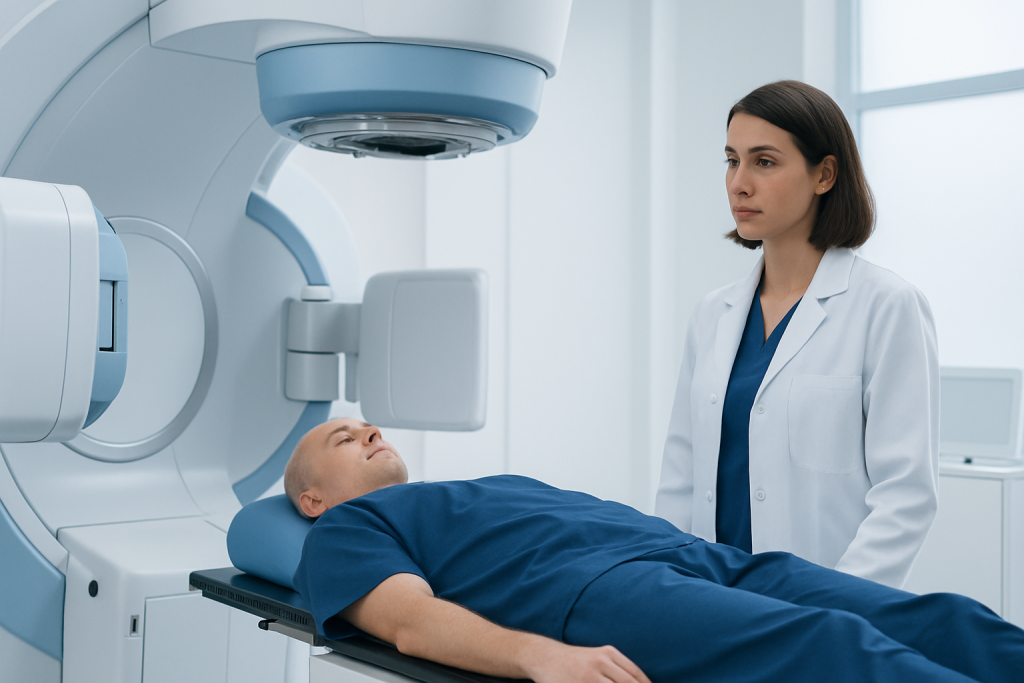
An oncologist’s work usually includes several phases. First comes diagnosis confirmation, which may involve reviewing a pathology report, repeating or refining imaging, and making sure the cancer is classified correctly. Accurate classification matters because treatment choices depend on details such as the cell type, spread, and whether the tumor has certain markers.
Next is staging and planning. Staging describes how far the cancer has progressed, and planning takes into account the patient’s overall health, prior treatments, goals, and preferences. Oncologists often discuss both the expected benefits of treatment and the common side effects in straightforward language so patients can weigh their options with realistic expectations.
During treatment, an oncologist may prescribe medication, oversee therapy cycles, coordinate with a radiation oncologist, or work closely with a surgical team. In many cases, the oncologist also manages supportive care needs such as nausea control, fatigue, blood count monitoring, and symptom review.
After active treatment, the oncologist continues to monitor for recovery, recurrence, or late effects. Follow-up is not a formality; it helps detect changes early, adjust medications if needed, and support quality of life over time.
Symptoms and common reasons for referral

Patients are not usually referred to an oncologist for one single symptom alone. More often, referral happens after a concerning combination of findings suggests a cancer evaluation is needed. That might include an abnormal scan, a biopsy result, unexplained weight loss, persistent lumps, unusual bleeding, or changes in blood counts.
Some cancers cause local symptoms, such as a breast lump, bowel changes, cough, trouble swallowing, or pain in a specific area. Others are found through screening or incidental imaging before symptoms are obvious. Because many cancers can behave quietly at first, an oncologist may be involved even when a person feels generally well.
Common reasons for seeing an oncologist include:
- a new cancer diagnosis
- an abnormal biopsy or imaging result
- planning treatment after surgery
- discussion of chemotherapy, immunotherapy, targeted therapy, or radiation
- evaluation of recurrence or metastatic disease
- requesting a second opinion
Patients sometimes worry that seeing an oncologist automatically means a severe outcome. In reality, oncology care covers many stages, including early evaluation, curative treatment, long-term surveillance, and symptom management. The referral is best understood as a step toward clarity.
Causes and risk factors
Because an oncologist treats cancer rather than causing it, this section is less about a single disease mechanism and more about why cancer may develop in the first place. Cancer begins when cells grow and divide in an uncontrolled way. The underlying reasons vary widely and often include a mixture of genetic, environmental, and lifestyle influences.
Some risk factors are inherited, such as specific gene changes passed through families. Others develop over time, including tobacco exposure, heavy alcohol use, ultraviolet light exposure, certain infections, long-term inflammation, or occupational exposures. Age is also important, since cancer risk tends to rise as cells accumulate damage over time.
It is also true that many people with clear risk factors never develop cancer, while some people with few obvious risk factors still do. That uncertainty is one reason oncology care is built around careful testing rather than assumptions. A patient’s personal history, family history, and pathology details often provide more useful guidance than any single risk factor alone.
For international patients, earlier records can be especially important here. Prior surgeries, previous biopsies, and earlier imaging can reveal whether a finding is new, stable, or part of an ongoing condition. Bringing a complete history can help the oncologist avoid delays and choose the most appropriate next step.
Diagnosis and evaluation
An oncologist relies on information from several tests rather than one result alone. A biopsy is often central because it confirms whether a suspicious tissue sample is cancerous and identifies the cancer type. Pathology reports may also include markers that guide treatment selection.
Imaging studies such as CT, MRI, PET, mammography, ultrasound, or bone scans may be used to define the size and location of disease and to check whether it has spread. Blood tests can help evaluate organ function, detect anemia or inflammation, and establish a baseline before treatment begins.
The first oncology appointment often focuses on putting all of these pieces together. Patients may be asked about prior illnesses, current medications, allergies, surgery history, and family cancer history. It is also common to discuss fertility concerns, nutrition, pain, sleep, and emotional well-being because those factors influence treatment planning too.
When patients travel for care, a complete record set can make the diagnostic process smoother. Useful documents often include pathology slides or reports, imaging files on disc or secure transfer, a list of current medications and supplements, discharge summaries, and any prior oncology notes. A clear timeline of symptoms and previous treatments can also be valuable.
Treatment options
There is no single treatment path for all cancers, which is why oncologists spend time matching the plan to the disease biology and the patient’s situation. In some cases, surgery is the main treatment and oncology care focuses on whether additional therapy is needed afterward. In other cases, medication or radiation may be the main approach from the start.
Common oncology treatments include chemotherapy, immunotherapy, targeted therapy, hormone therapy, and radiation therapy. Some patients receive one treatment alone, while others benefit from a combination. The oncologist explains why a treatment is recommended, what side effects are most likely, and how response will be measured.
Supportive care is part of treatment, not an afterthought. That can include anti-nausea medicines, pain management, nutrition guidance, infection precautions, and monitoring of blood counts or organ function. For some patients, palliative care is introduced alongside cancer treatment to reduce symptoms and improve day-to-day comfort.
International patients often need a plan that extends beyond the hospital stay. That means thinking ahead about treatment timing, follow-up scans, how long recovery may take, and whether ongoing care can continue at home or will require repeat visits. A good oncology plan accounts for both the medical course and the logistics of living through it across borders.
Prevention and self-care
Not every cancer can be prevented, but healthy routines and screening can lower risk or help find disease earlier. Avoiding tobacco, limiting alcohol, protecting skin from excess sun exposure, maintaining a healthy weight, staying physically active, and following vaccine guidance are all sensible preventive steps.
Self-care during oncology evaluation and treatment is equally important. Patients are often advised to keep a simple symptom log, stay hydrated as instructed by their care team, rest when needed, and report new issues such as fever, vomiting, shortness of breath, or unusual bleeding. Small changes can be useful signals, especially between appointments.
It also helps to prepare questions before each visit. Many patients bring a notebook or phone list that includes treatment goals, expected side effects, travel dates, and contact information for the care team. That habit can reduce stress and make each conversation more productive.
For those receiving care away from home, practical planning matters. Consider arranging someone to help with translation, transportation, or day-to-day tasks during treatment days. When a patient returns to another country, the oncology team should provide clear instructions for follow-up, warning signs, and how records will be shared with local doctors.
When to see a doctor
A doctor should be consulted promptly if a patient notices a new lump, unexplained bleeding, persistent pain, ongoing cough, changes in bowel or bladder habits, unintentional weight loss, or symptoms that do not improve as expected. These signs do not always mean cancer, but they deserve evaluation.
People who already have a cancer diagnosis should contact their oncology team if symptoms worsen, treatment side effects become difficult to manage, or new issues appear between scheduled visits. Early communication helps the team adjust care before a small problem becomes a larger one.
Anyone considering a second opinion may also benefit from seeing an oncologist, especially when a diagnosis is complex or treatment choices are not clear. A second review can confirm the plan, offer additional options, or simply give the patient greater confidence in moving forward.
Acibadem Health Point provides international patients access to multidisciplinary specialists and JCI-accredited hospitals for cancer diagnosis and treatment, with care designed to be coordinated across each step of the journey. A qualified oncologist can help determine which evaluations or treatments are most appropriate and when follow-up should occur.
Frequently asked questions
What is the difference between an oncologist and a cancer surgeon?
An oncologist specializes in diagnosing and treating cancer with medicines, radiation coordination, and follow-up care, while a cancer surgeon focuses on removing tumors or performing related procedures. Many patients see both specialists as part of one treatment plan. The exact roles depend on the cancer type and stage.
Do all people with cancer need chemotherapy?
No. Some cancers are treated mainly with surgery or radiation, and others may respond better to targeted therapy, immunotherapy, hormone therapy, or observation in selected cases. The oncologist recommends treatment based on the cancer’s biology and how far it has spread.
Can an oncologist confirm a diagnosis from the first visit?
Sometimes the diagnosis is already confirmed by biopsy before the first appointment, and the oncologist uses that information to plan next steps. In other cases, more tests are needed before treatment can begin. The first visit often focuses on reviewing the evidence and deciding what still needs to be checked.
Why is a second opinion from an oncologist useful?
A second opinion can help confirm the diagnosis, review whether the treatment plan is appropriate, and explain other options. This is especially helpful when the cancer is uncommon, the plan is complex, or the patient wants more confidence before starting therapy. It is a standard and reasonable part of care for many people.
What should an international patient bring to an oncology appointment?
Patients should bring pathology reports, imaging files, recent lab results, a list of medications and supplements, prior surgery or treatment records, and any doctor’s notes they already have. A short timeline of symptoms and previous care can also be very helpful. If documents are available only in another language, translated copies may make the visit smoother.
What happens after cancer treatment ends?
Follow-up usually includes periodic visits, scans, blood tests, or symptom checks to monitor recovery and look for recurrence or late effects. The schedule depends on the cancer type and treatment received. The oncologist will explain which signs should prompt earlier contact between visits.
References
- World Health Organization
- National Cancer Institute
- American Cancer Society
- NCCN Clinical Practice Guidelines in Oncology
- Mayo Clinic
This article is for general information only and is not a substitute for professional medical advice. Please consult a qualified doctor about your individual situation.
Explore treatments in Turkey — costs, top hospitals & a free quote
JCI-accredited · board-certified surgeons · reply within 24h
Add us as a Preferred Source to see more of our trusted health content across Google Search, AI Overviews and Discover.