Numbing Cream: Uses, Safety and Side Effects

Key Takeaways
- Numbing cream is applied to the skin to reduce pain or discomfort during minor procedures.
- Different products contain different anesthetic ingredients, and their uses are not interchangeable.
- Timing, amount, and where it is applied matter for both comfort and safety.
- Side effects are usually mild, but allergic reactions and overuse can cause problems.
- A doctor or clinician should guide use when the skin is broken, the area is large, or the person has ongoing health conditions.
Medically reviewed by the Acıbadem clinical team — August 19, 2026
Numbing cream is a topical anesthetic used to temporarily reduce skin sensation before certain minor procedures. It can make care more comfortable, but it should be used exactly as directed to lower the risk of irritation or other side effects.
Overview
Numbing cream is a topical medicine designed to temporarily dull sensation in the skin. It is often used before small medical, cosmetic, or dental-related procedures that may cause brief discomfort, such as injections, laser treatments, blood draws, or minor skin work. By reducing sensitivity at the surface, it can help the experience feel more manageable without causing full anesthesia.
These products are not all the same. Some contain lidocaine, others combine lidocaine with additional local anesthetics, and each formula has its own instructions for where it can be used and how long it should stay on the skin. That is why the label, the clinician’s guidance, and the condition being treated all matter.
For international patients planning Varicose Vein Treatment Abroad: When Stockings Are Enough and When Procedures Help More" class="ahp-ilk">treatment abroad, numbing cream may be part of the preparation instructions given before arriving at the clinic or hospital. It is useful to understand what the cream does, what it does not do, and when the medical team should decide whether it is appropriate.
Symptoms and Common Uses
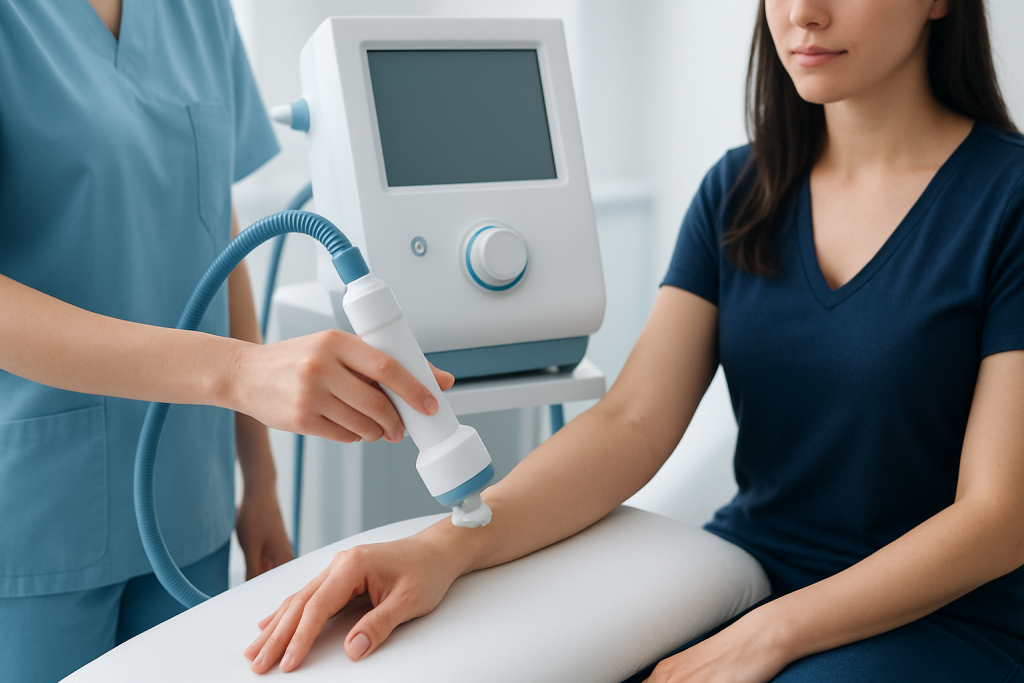
Numbing cream is not a treatment for an illness in itself; it is a comfort measure. People may notice that the skin feels less sensitive to touch, pinching, heat, or brief procedural pain after the cream has had time to work. The goal is temporary reduction of sensation in a specific area rather than complete loss of feeling.
Clinicians may recommend it for a variety of situations. Common examples include minor dermatology procedures, cosmetic skin treatments, tattoo preparation in some settings, surface-level wound care, and certain pediatric or needle-related procedures when appropriate. In dental or procedural settings, similar topical anesthetics may be used on the gums or mucosa, but those products are specifically formulated for those areas and should not be substituted with skin cream.
- Minor injections or blood sampling
- Laser or light-based skin treatments
- Superficial dermatology procedures
- Short procedures involving sensitive skin areas
The effect is temporary and localized. If pain is deep, severe, or linked to swelling, infection, or injury, numbing cream alone will not address the underlying cause.
Causes and Risk Factors

The reason a person may need numbing cream is usually procedural discomfort, not disease. Sensitive skin, anxious anticipation, or treatment in areas with many nerve endings can make minor procedures feel more intense. In some cases, children or people who have had unpleasant past experiences with needles or skin procedures may benefit from a topical anesthetic as part of a carefully planned approach.
Risk factors for problems with numbing cream are often related to how it is used rather than who uses it. Applying too much, leaving it on for too long, covering a large area, or using it on broken or irritated skin can increase absorption into the body. This matters because higher-than-intended absorption can raise the chance of side effects.
Other factors that deserve extra caution include a history of allergy to local anesthetics, certain heart rhythm problems, liver disease, and use on infants or very young children. Pregnant or breastfeeding patients should ask a clinician before using any anesthetic cream, even if it is available over the counter in their country.
Diagnosis and Product Selection
There is no diagnosis required to use numbing cream in a general sense, but the right product should match the purpose and the body area. A clinician may ask about the planned procedure, the patient’s skin condition, medication history, allergies, and whether the skin is intact. This helps determine whether a topical anesthetic is suitable and, if so, which one.
Product selection also depends on whether the cream is intended for external skin only or for use on mucous membranes under medical direction. A skin cream should not be assumed to be safe for the lips, eyes, genitals, or inside the mouth unless the label and clinician specifically say so. Packaging instructions are important because timing, coverage, and removal can vary.
For patients traveling for care, it helps to bring a list of medicines and any previous reactions to anesthetics. If the treatment plan is coordinated across countries, the team may give instructions in advance about whether to purchase a product locally, bring one from home, or avoid using one before the visit.
Treatment Options and How It Is Used
Using numbing cream safely starts with following the exact instructions provided by the clinician or product label. In many cases, the cream is applied in a thin layer to clean, dry skin and may be covered with a dressing if instructed. The waiting time before a procedure can vary, so patients should not guess based on another product or a previous experience.
It is important not to combine numbing creams without medical advice. Mixing products, adding more because the first layer seems ineffective, or applying it to larger areas than recommended can increase the amount absorbed through the skin. This is especially relevant when a patient is preparing for a procedure on a sensitive area or has several treatments planned in one visit.
If a clinician recommends a topical anesthetic for a child, the parent or caregiver should receive clear guidance about the amount, timing, and whether the child should be monitored while it is on the skin. In clinic settings, the healthcare team may remove the cream before the procedure and then proceed once the area has been assessed.
- Apply only to the skin area directed by the clinician
- Avoid eyes, broken skin, and unintended areas
- Wash hands after application unless treating the hands themselves
- Do not exceed the recommended time on the skin
Prevention and Self-care
The safest way to use numbing cream is to treat it like a medication, not a cosmetic product. Patients should read the label, store it out of reach of children, and avoid using old or unmarked tubes. If the cream was prescribed or recommended for a specific procedure, it should be used only for that purpose unless a doctor says otherwise.
Good self-care also means watching the skin. Mild redness or slight temporary pallor can happen, but burning, swelling, rash, or increasing irritation should prompt stopping use and seeking advice. People who know they have sensitive skin may want to mention previous reactions to creams, adhesives, or antiseptics before the procedure begins.
For people arranging treatment while traveling, practical planning can reduce stress: confirm whether numbing cream is needed, whether it should be applied at home or in the clinic, and whether any paperwork or translation is needed to explain allergies. A careful plan can make the appointment smoother and avoid last-minute uncertainty.
When to See a Doctor
A clinician should be consulted before using numbing cream when the skin is broken, the area to be treated is large, or the patient has a history of allergy to local anesthetics. Medical advice is also important for infants, young children, pregnant or breastfeeding patients, and people with significant heart, liver, or neurological conditions.
After application, prompt medical attention is appropriate if there are signs of a serious reaction such as trouble breathing, severe dizziness, confusion, fainting, a fast or irregular heartbeat, widespread rash, or marked swelling. These reactions are uncommon, but they should not be ignored.
If the procedure itself causes pain that seems stronger than expected, or if the discomfort does not fit a simple surface-level issue, the underlying cause may need evaluation. In that setting, numbing cream can support comfort, but it should never delay proper assessment and treatment. Acibadem Health Point’s multidisciplinary specialists and JCI-accredited hospitals can diagnose and treat patients who need procedural care, including international patients coordinating treatment from abroad.
Recovery and Practical Expectations
After the cream is removed or wears off, the skin sensation usually returns gradually. Temporary numbness, tingling, or mild redness may be noticed for a short time. Patients should follow the clinician’s aftercare instructions for the procedure itself, especially if the skin was treated, punctured, or covered with a dressing.
It is wise not to scratch or rub the area while it feels numb, because reduced sensation can make it easier to irritate the skin without noticing. If a bandage was used, patients should ask when it should be removed and whether they can shower or apply skincare products afterward. For international patients, this is also the stage when clear written discharge instructions become especially helpful, since follow-up may happen after returning home.
Most people use numbing cream only occasionally and as part of a short procedure plan. When it is selected carefully and used correctly, it can be a simple way to improve comfort and help patients approach care with less apprehension.
Frequently asked questions
What does numbing cream actually do?
Numbing cream temporarily reduces sensation in the skin so a minor procedure feels less uncomfortable. It does not treat the cause of pain, and it does not provide full anesthesia. The effect is local and short-lived.
Can numbing cream be used on broken skin?
Not without medical advice. Broken, irritated, or inflamed skin can absorb more of the medicine, which may increase the chance of side effects. A clinician should decide whether it is safe or whether another approach is better.
How long does numbing cream take to work?
The timing varies by product and the area being treated. Some creams need to stay on the skin for a while before a procedure, while others work differently. The best guide is the specific product label or the clinician’s instructions.
Is it safe to use numbing cream on children?
Sometimes it is, but only with careful guidance. Children can absorb topical anesthetics more easily than adults, so the amount, area, and timing must be managed closely. Parents should always check with a clinician first.
Can two numbing products be used together for a stronger effect?
That should not be done unless a doctor specifically approves it. Using multiple products together can raise the total dose absorbed through the skin. It is safer to use one recommended product correctly than to combine treatments on your own.
What side effects should people watch for?
Mild redness or temporary tingling can happen. More concerning signs include rash, swelling, dizziness, confusion, a fast heartbeat, or breathing difficulty, which need prompt medical attention.
References
- U.S. Food and Drug Administration
- NHS
- Mayo Clinic
- American Academy of Dermatology
- MedlinePlus
This article is for general information only and is not a substitute for professional medical advice. Please consult a qualified doctor about your individual situation.
Explore treatments in Turkey — costs, top hospitals & a free quote
JCI-accredited · board-certified surgeons · reply within 24h
Add us as a Preferred Source to see more of our trusted health content across Google Search, AI Overviews and Discover.