Laparoscopy: Uses, Procedure and Recovery

Key Takeaways
- Laparoscopy uses a camera and slim instruments passed through small incisions.
- It may be used to diagnose a problem, treat a condition, or both in the same procedure.
- Recovery is often faster than with traditional open surgery, but it still requires rest and follow-up.
- Not every patient or every condition is suitable for laparoscopy; the surgical team decides based on safety and anatomy.
- Clear preoperative instructions and post-op monitoring help support a smoother recovery, especially for international patients.
Medically reviewed by the Acıbadem clinical team — August 19, 2026
Laparoscopy is a minimally invasive surgical approach that allows doctors to view and treat conditions inside the abdomen or pelvis through small incisions. For many patients, it can mean less pain, shorter hospital stays, and a quicker return to daily life compared with open surgery.
Overview
Laparoscopy is a surgical technique that gives doctors access to the inside of the abdomen or pelvis without making a large incision. Instead, the surgeon works through a few small openings, using a thin camera called a laparoscope and delicate instruments to see and treat the area in detail.
For patients, the word often sounds more technical than the experience really is. In practical terms, laparoscopy is a way to do many common operations with less disruption to healthy tissue. It is used in several medical fields, including general surgery, gynecology, urology, and sometimes gastroenterology, depending on the condition being evaluated or treated.
Some laparoscopic procedures are done to confirm a diagnosis when scans or symptoms do not tell the full story. Others are planned as treatment from the start, such as removing a gallbladder, repairing a hernia, or addressing certain pelvic conditions. In many cases, the diagnostic and treatment steps can happen during the same procedure, which can be especially helpful when patients are traveling for care and want a clear, efficient treatment pathway.
Common Symptoms and Conditions It Helps Evaluate
Laparoscopy is not a symptom itself; it is a method doctors may use when symptoms suggest a problem inside the abdomen or pelvis. It can help evaluate ongoing pain, unexplained bloating, suspected internal bleeding, infertility-related concerns, or findings that need closer inspection after imaging.
Doctors may recommend laparoscopy when they need a direct view of organs and tissues rather than relying only on ultrasound, CT, MRI, or blood tests. This can be useful when symptoms are persistent, when the cause is unclear, or when a planned treatment is likely to benefit from a minimally invasive approach.
- Abdominal or pelvic pain that has not been explained
- Gallbladder disease
- Hernias
- Endometriosis and some gynecologic conditions
- Adhesions or scar tissue
- Appendiceal or bowel concerns in selected cases
The same technique may also be used to stage or assess certain diseases, inspect the liver or reproductive organs, or take a biopsy. The exact use depends on the patient’s symptoms, medical history, and the surgeon’s assessment of what is safest and most informative.
Causes, Risk Factors, and Why Doctors Recommend It
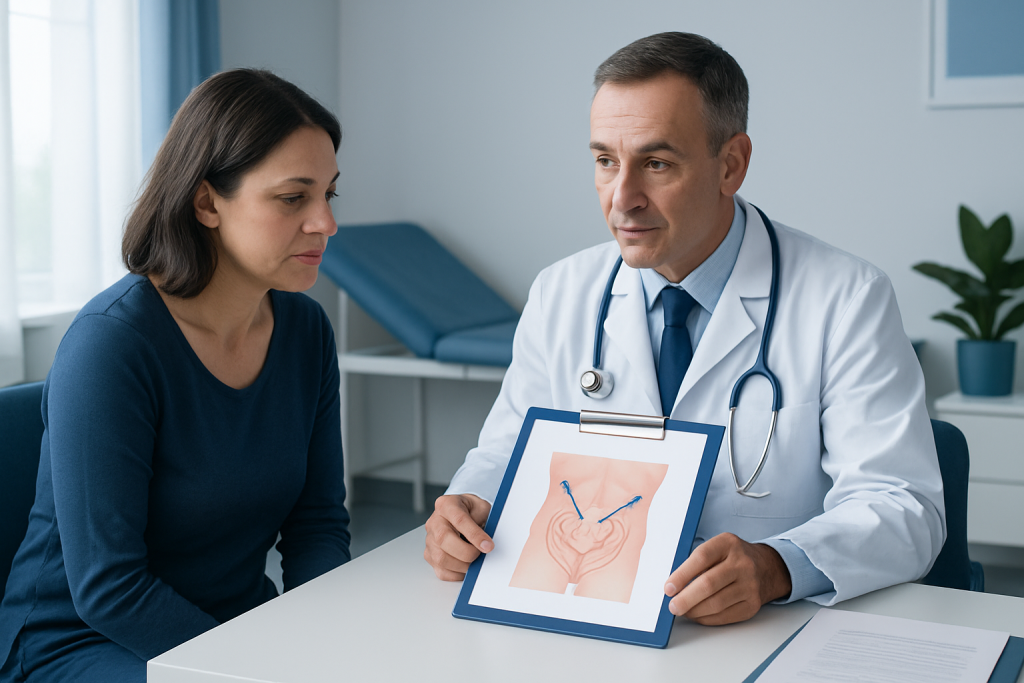
There is no single cause of laparoscopy because it is a procedure rather than a disease. The important question is why a patient needs it. A doctor may recommend laparoscopy when symptoms, examination findings, or imaging suggest an internal problem that can be checked or treated more precisely through a minimally invasive operation.
Several factors can make laparoscopy more likely to be considered. These include suspected gallstones, hernias, endometriosis, pelvic pain, fertility concerns, chronic inflammation, or the need to remove a cyst, lesion, or tissue sample. In some emergency situations, it may also be used to evaluate injury or bleeding when a rapid internal look is needed.
Not everyone is a candidate. Prior abdominal surgery, extensive scar tissue, severe medical instability, or certain anatomy-related concerns may lead a surgeon to recommend a different approach. The choice is based on safety, the expected benefit, and whether the operation can be completed effectively through small incisions.
Diagnosis and Preoperative Assessment
Before laparoscopy, the medical team usually gathers a clear picture of the patient’s symptoms, medications, past operations, allergies, and any heart, lung, or clotting conditions. The aim is to reduce surprises on the day of surgery and to make the procedure as safe and efficient as possible.
Depending on the reason for surgery, the patient may have blood tests, imaging, a pregnancy test when relevant, or specialist review. The surgeon may also explain whether the procedure is mainly diagnostic, therapeutic, or both. For international patients, this conversation often includes practical details such as travel timing, overnight stay expectations, and how follow-up will be arranged after returning home.
Patients are usually told when to stop eating and drinking before surgery and which medicines may need to be adjusted temporarily. It is also important to mention supplements, herbal remedies, and any previous anesthesia reactions. A complete preoperative review helps the team choose the right anesthesia and plan for recovery support.
Treatment Options and What Happens During the Procedure
Laparoscopic surgery is usually performed under general anesthesia, so the patient is asleep and does not feel the procedure. After cleaning the skin, the surgeon makes one or more small incisions and gently introduces a gas that creates working space inside the abdomen. The laparoscope then sends a magnified image to a screen, allowing the surgical team to see the area clearly.
Through the other small openings, the surgeon may remove tissue, repair a defect, drain fluid, take biopsies, or complete the planned operation. If necessary, the surgeon can sometimes convert to an open procedure for safety or better access. That decision is not a failure; it is a responsible step when a different approach is the better choice for the patient.
Compared with open surgery, laparoscopy often leads to smaller scars, less postoperative discomfort, and a quicker return to routine activities. Even so, it is still surgery, and the recovery plan should be taken seriously. Patients usually leave with specific instructions about wound care, walking, Sciatica Pain Relief: Treatments and Self-Care" class="ahp-ilk">pain relief, and warning signs that should be reported.
- Diagnostic laparoscopy to identify the cause of symptoms
- Laparoscopic removal of the gallbladder or appendix in selected cases
- Hernia repair
- Treatment of endometriosis or ovarian cysts
- Biopsy or inspection of organs and tissues
Recovery, Prevention, and Self-Care
After laparoscopy, many patients are encouraged to move gently as soon as it is safe. Short walks can support circulation and help reduce stiffness. Some abdominal bloating or shoulder-tip discomfort may occur because of the gas used during surgery; this usually settles over time.
Self-care focuses on simple, steady habits rather than anything complicated. That may include resting when needed, keeping incision sites clean and dry, following the medication plan, and slowly returning to normal eating and activity. Patients should avoid heavy lifting or strenuous exercise until the surgeon says it is appropriate.
For those traveling from another country, recovery planning deserves extra attention. It helps to know where the first follow-up visit will happen, how to reach the team if symptoms change, and whether a local doctor at home should remove stitches or review the wound. Good planning makes the transition from hospital to home far easier.
- Follow all discharge instructions carefully
- Walk regularly, but avoid overexertion early on
- Watch the incision sites for increasing redness, swelling, or drainage
- Stay hydrated and eat as advised
- Arrange follow-up before long-distance travel when possible
When to See a Doctor
Patients should contact their surgical team if pain is worsening instead of improving, if the wound appears infected, or if they cannot keep down fluids after surgery. Fever, persistent vomiting, or increasing abdominal swelling should also be discussed promptly.
Urgent medical review is important if there is shortness of breath, chest pain, heavy bleeding, or sudden severe abdominal pain. These symptoms do not always mean a major complication, but they deserve immediate assessment so the cause can be identified quickly.
Before surgery, patients should also speak with a doctor if they are pregnant or may be pregnant, take blood thinners, have had problems with anesthesia, or have a long history of abdominal operations. A careful preoperative discussion helps the team decide whether laparoscopy is the best option and how to prepare safely.
Acibadem Health Point’s multidisciplinary specialists and JCI-accredited hospitals diagnose and treat many laparoscopic conditions for international patients, with coordinated care that supports both the procedure and the recovery journey.
Frequently asked questions
Is laparoscopy always done to treat a condition?
No. Sometimes it is used only to look inside the abdomen or pelvis and clarify a diagnosis. In other cases, the surgeon can diagnose and treat the problem in the same procedure.
How long does recovery usually take after laparoscopy?
Recovery depends on the procedure, the patient’s overall health, and whether any extra treatment was done during surgery. Many people feel better sooner than after open surgery, but they still need time to rest and gradually return to normal activity.
Will there be visible scars?
Laparoscopy usually leaves several small scars rather than one large incision. These marks often become less noticeable over time, although healing varies from person to person.
Is laparoscopy safer than open surgery?
It is often less disruptive, but the safer option depends on the specific condition and the patient’s anatomy. The surgical team chooses the approach that offers the best balance of safety and effectiveness.
Can someone fly home soon after laparoscopic surgery?
Sometimes yes, but the timing depends on the operation, the patient’s recovery, and the surgeon’s advice. International patients should confirm travel plans with the medical team before booking a flight.
What should a patient ask before agreeing to laparoscopy?
It is helpful to ask why the procedure is recommended, whether it is diagnostic or therapeutic, what recovery will look like, and whether conversion to open surgery might be needed. Patients may also want to ask how follow-up will be organized after discharge.
References
- National Institute of Diabetes and Digestive and Kidney Diseases
- American College of Surgeons
- Mayo Clinic
- NHS
- World Health Organization
This article is for general information only and is not a substitute for professional medical advice. Please consult a qualified doctor about your individual situation.
Persistent digestive symptoms? Get evaluated in Turkey
JCI-accredited · board-certified surgeons · reply within 24h
Add us as a Preferred Source to see more of our trusted health content across Google Search, AI Overviews and Discover.