Sclerotherapy: Procedure, Uses and Risks

Key Takeaways
- Sclerotherapy treats selected spider veins and small varicose veins by sealing the affected vein so blood reroutes through healthier veins.
- It may help with aching, heaviness, itching, or visible vein concerns, but it does not prevent all future vein disease.
- The procedure is usually done in a clinic and often allows a return to normal activity soon afterward.
- Good candidacy depends on vein type, overall circulation, medical history, and pregnancy status.
- Compression, movement, and follow-up visits are important parts of recovery and long-term care.
Medically reviewed by the Acıbadem clinical team — August 19, 2026
Sclerotherapy is a minimally invasive procedure used to close small varicose veins and spider veins, most often for symptom relief and cosmetic improvement. It is generally quick, well tolerated, and usually performed in an outpatient setting with little downtime.
Overview
Sclerotherapy is a vein treatment that uses a special solution to irritate the inner lining of an unwanted vein. Once the vein closes, blood naturally shifts to nearby healthy veins, and the treated vein gradually fades over time. It is commonly used for spider veins and smaller varicose veins in the legs, and sometimes in other areas when a vein specialist feels it is appropriate.
For many people, the first reason to consider sclerotherapy is appearance. Yet it can also be part of a broader plan when veins cause discomfort such as aching, throbbing, burning, itching, or a sense of heaviness. The treatment is typically performed in an outpatient setting, which makes it practical for international patients who may want a concise treatment plan, a short stay, and clear follow-up instructions before traveling home.
It helps to think of sclerotherapy as a targeted repair rather than a full cure for vein disease. The procedure treats specific veins that are visible or symptomatic, but it does not remove the underlying tendency toward venous problems. That is why evaluation, aftercare, and ongoing vein health habits all matter.
Symptoms and When Sclerotherapy May Help
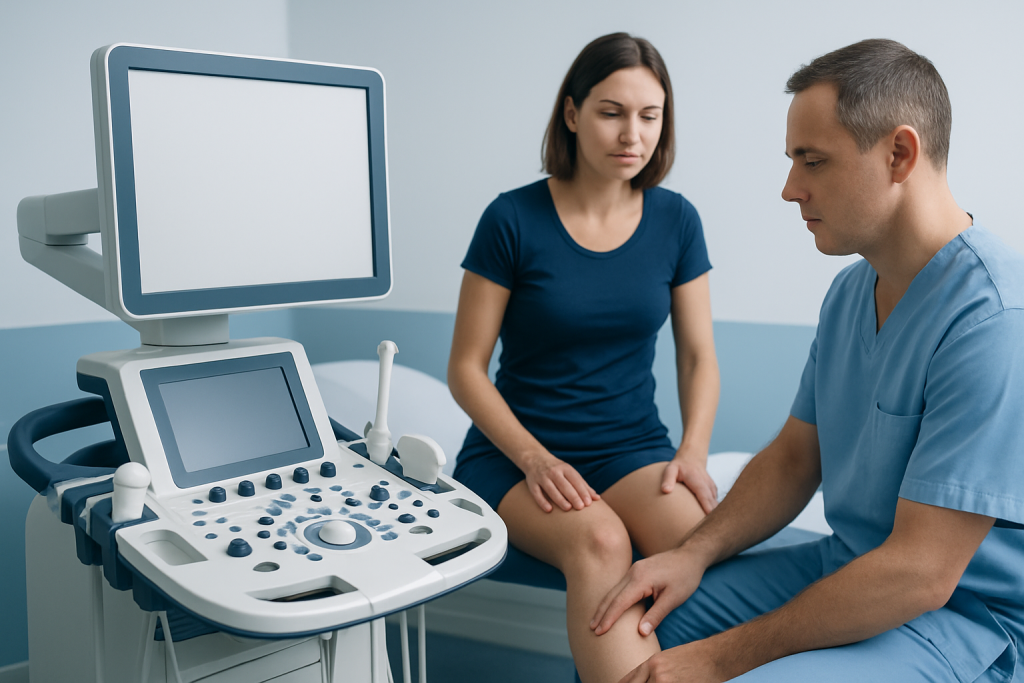
People usually seek sclerotherapy because of visible veins, but the experience can be more than skin deep. Spider veins may look like fine red, blue, or purple threads, while small varicose veins can appear bulging or twisted. Some people notice no symptoms at all, while others feel discomfort that becomes more noticeable after standing for long periods.
Typical symptoms that may prompt a consultation include leg heaviness, mild swelling, aching, cramping, itching, or a tired feeling in the legs. Symptoms often worsen after a long workday, during warm weather, or during travel that involves prolonged sitting. When these concerns begin to affect daily comfort or confidence, sclerotherapy may be discussed as one treatment option.
Not every vein problem is suited to this procedure. Larger varicose veins, deeper circulation problems, skin changes, ulcers, or severe swelling may require a different approach or a more detailed vascular workup. A doctor will help determine whether sclerotherapy is the right tool for the specific vein pattern.
Causes and Risk Factors
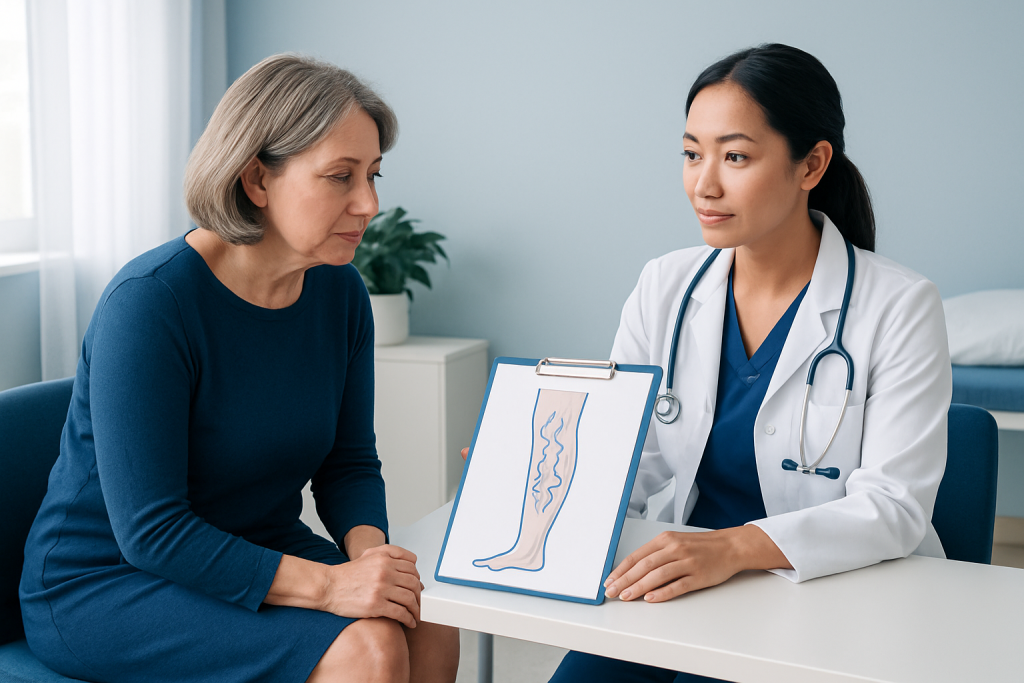
Veins in the legs work against gravity, so they rely on one-way valves and calf muscle activity to move blood back toward the heart. When those valves weaken or the vein walls lose tone, blood can pool in the vein. Over time, that pooling can lead to visible spider veins or varicose veins, as well as discomfort.
Several factors can increase the chance of developing vein disease. Family history is common, and risk also rises with aging, pregnancy, prolonged standing or sitting, excess body weight, hormonal influences, and previous leg injury or vein procedures. These factors do not guarantee a problem, but they can make veins more likely to become visible or symptomatic.
People planning Varicose Vein Treatment Abroad: When Stockings Are Enough and When Procedures Help More" class="ahp-ilk">treatment abroad may also want to discuss travel-related risks. Long flights, dehydration, and limited movement can make leg symptoms feel worse. A thoughtful pre-treatment consultation should include travel plans, because timing the procedure and recovery around flights can improve comfort and follow-up.
Diagnosis and Treatment Planning
Before sclerotherapy, a clinician usually begins with a history and physical examination. The doctor may ask about symptoms, previous vein treatments, pregnancies, blood clot history, medications, and any skin changes or swelling in the legs. This discussion helps distinguish cosmetic spider veins from more complex venous disease.
In some cases, an ultrasound study is recommended to check blood flow and to look for deeper vein reflux. This is especially useful when veins are more prominent, symptoms are broader than expected, or the treatment plan needs to be tailored carefully. For international patients, having imaging and consultation in the same care pathway can reduce uncertainty and avoid unnecessary travel back and forth.
The plan may include one or more sessions, depending on the number, size, and location of the veins. The clinician will also explain realistic expectations, including that treated veins usually fade gradually and that more than one visit is often needed for the best result.
Treatment Options and What the Procedure Is Like
Sclerotherapy is performed by injecting a solution into the targeted vein with a very fine needle. The solution may be a liquid or foam formulation, chosen according to the vein’s size and location. The injection causes the vein wall to collapse and eventually be absorbed by the body.
The procedure is usually brief, and many people describe it as involving only mild stinging or temporary cramping. It is commonly done without general anesthesia, which makes recovery simpler. After treatment, the patient may be asked to walk for a short period and wear compression stockings for a period of time, depending on the clinician’s instructions.
Possible short-term effects include redness, bruising, tenderness, itching, or mild swelling near the treated vein. Less commonly, skin staining, small clots in the treated vein, or temporary small surface ulcers can occur. Serious complications are uncommon, but they are one reason the procedure should be performed by a qualified clinician who understands venous anatomy and injection technique.
People sometimes ask whether sclerotherapy can remove every visible vein. The answer is usually no; the goal is improvement, not perfection. Some veins respond well after a single session, while others need staged treatment or a different procedure entirely.
Prevention and Self-care After Treatment
After sclerotherapy, movement is usually encouraged rather than strict rest. Walking helps circulation and may reduce the chance of clot-related problems and stiffness. Patients are often advised to avoid long periods of sitting or standing right after treatment, especially during the first days of recovery.
Compression stockings are commonly recommended because they support venous return and may improve comfort as the treated vein closes. The care team may also advise avoiding hot baths, saunas, intense exercise, or direct sun exposure for a short time, since these can aggravate irritation or skin staining in some people. Any activity limits should be personalized to the vein pattern and the treatment method used.
Long-term self-care focuses on reducing strain on the venous system. Helpful habits often include regular walking, leg elevation when possible, maintaining a healthy weight, and changing positions often during long workdays or flights. For international patients returning home, it is useful to leave with written instructions and a clear plan for follow-up if the treated veins need additional sessions or review.
When to See a Doctor
A vein specialist or general doctor should be consulted if visible veins are causing pain, swelling, itching, or a feeling of heaviness, or if the appearance of the legs is affecting confidence and daily life. A visit is also worthwhile when symptoms are gradually becoming more noticeable, because early assessment can clarify whether sclerotherapy or another treatment is best.
Medical review is especially important if there is one-sided leg swelling, skin discoloration, a hard tender cord, ulcers, bleeding from a vein, or a sudden change in symptoms. These findings may suggest more advanced venous disease or a different diagnosis that deserves prompt evaluation. Sclerotherapy is not usually the first step when deeper circulation problems are suspected.
People who are pregnant, recently had a blood clot, or have significant vascular disease should discuss their situation carefully before any vein procedure. For those considering treatment while traveling, a good clinic should be able to explain the plan, recovery timeline, and follow-up arrangements in a way that is easy to continue once the patient returns home. Acibadem Health Point’s multidisciplinary specialists and JCI-accredited hospitals can diagnose and treat this condition for international patients as part of coordinated care.
Recovery, Results, and Follow-up
Results from sclerotherapy are usually gradual. Treated veins do not disappear overnight, and it can take weeks for them to fade as the body clears the closed vein. If multiple veins are being treated, the process may unfold over several sessions with careful spacing between visits.
Follow-up matters because it allows the clinician to check response, address any pigment changes or lingering tenderness, and decide whether another session is useful. Patients should also mention any new symptoms after treatment, especially if leg swelling, shortness of breath, or increasing pain develops. While uncommon, these symptoms deserve prompt medical attention.
Because vein disease can recur, future care may focus on both treatment and prevention. Even after a successful outcome, some people develop new spider veins or varicose veins over time, particularly if risk factors remain. That is normal and does not mean the original treatment failed.
Living With Vein Symptoms Between Visits
Before and after sclerotherapy, small daily choices can make veins less bothersome. People often feel better when they interrupt long periods of sitting, keep hydrated, and use supportive footwear. If work requires standing for long stretches, brief walking breaks and calf raises can help keep blood moving.
Travel can be managed thoughtfully as well. During long flights or car rides, it is sensible to move the legs regularly, avoid prolonged immobility, and follow the clinician’s advice about stockings or timing of treatment around travel. This is especially relevant for international patients who may combine consultation, treatment, and recovery into one visit.
The broader aim is not only a better-looking leg but also easier day-to-day comfort. A good vein plan balances cosmetic goals, symptom relief, and practical recovery steps that fit the patient’s routine.
Frequently asked questions
Is sclerotherapy painful?
Most people describe it as mildly uncomfortable rather than painful. The injections can sting briefly, and some temporary cramping or tenderness is possible. The sensation usually settles quickly after the procedure.
How long does it take for sclerotherapy to work?
The treated vein closes soon after the injection, but visible improvement is gradual. Fading often happens over several weeks, and some veins need more than one session. Follow-up helps the doctor judge whether additional treatment would be useful.
Can sclerotherapy treat all varicose veins?
No, it is best suited for spider veins and smaller varicose veins. Larger veins or veins linked to deeper circulation problems may need another treatment approach. A proper evaluation helps match the procedure to the vein type.
What should a patient do after the procedure?
Walking is usually encouraged, and compression stockings may be recommended. Patients are often told to avoid prolonged sitting, heavy exercise, or heat exposure for a short period. The exact instructions depend on the treatment plan and the veins treated.
Do treated veins come back?
The specific treated vein usually closes and is absorbed by the body. However, new veins can develop later, especially if the underlying risk factors remain. Ongoing self-care and occasional follow-up can help manage that possibility.
Can someone travel soon after sclerotherapy?
Many people can travel after treatment, but the timing should be discussed with the clinician. Long flights or car rides may require special attention to movement, stockings, and hydration. It is best to plan travel around the recovery instructions given by the treating team.
References
- Mayo Clinic
- Cleveland Clinic
- Society for Vascular Surgery
- NHS
- American College of Phlebology
This article is for general information only and is not a substitute for professional medical advice. Please consult a qualified doctor about your individual situation.
Explore treatments in Turkey — costs, top hospitals & a free quote
JCI-accredited · board-certified surgeons · reply within 24h
Add us as a Preferred Source to see more of our trusted health content across Google Search, AI Overviews and Discover.