How To Relieve Sinus Pressure

Key Takeaways
- Sinus pressure often comes from inflammation and blockage in the nasal and sinus passages.
- Warm fluids, steam, saline rinses, and rest can help ease discomfort and congestion.
- Allergies, colds, sinusitis, and structural nasal issues are common contributors to pressure.
- Persistent, one-sided, or severe symptoms should be assessed by a qualified doctor.
- Treatment depends on the cause and may include allergy care, medicines, or specialist evaluation.
Sinus pressure can make the face feel heavy, tight, or painful, often alongside congestion and a blocked nose. Many cases improve with simple home care, but persistent or severe symptoms may need medical evaluation to identify the cause and guide treatment.
Overview
Sinus pressure is a common way people describe the feeling of fullness, aching, or tightness around the forehead, cheeks, eyes, or bridge of the nose. It usually happens when the lining of the nasal passages and sinuses becomes inflamed and swollen, making drainage harder than usual.
For many people, the discomfort starts during a cold, allergy flare, or another temporary irritation. In other cases, pressure can linger because the sinuses are not draining well, which is why the same symptom can have very different causes. Understanding the trigger matters, because the most helpful way to relieve sinus pressure is to treat the reason it started in the first place.
Most mild cases can be managed safely at home for a short time. Still, if pressure keeps returning, lasts longer than expected, or is paired with fever, facial swelling, or significant pain, medical advice is important. A clinician can determine whether the issue is simple congestion, sinusitis, allergy-related inflammation, or something else entirely.
Symptoms
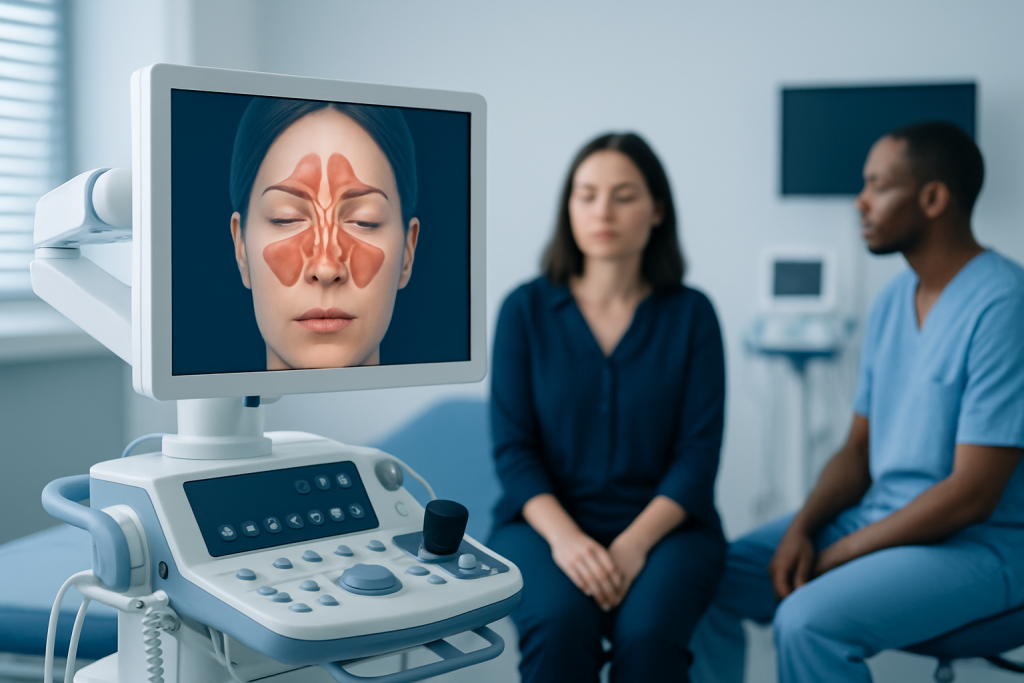
Sinus pressure is often described as a deep, dull ache rather than a sharp pain. The discomfort may worsen when bending forward, lying down, or changing position quickly. Some people notice their upper teeth feel tender, or that their face feels “full” or “puffy.”
Pressure is commonly accompanied by other nasal and head symptoms. These may include a blocked nose, thick or clear drainage, reduced sense of smell, headache, postnasal drip, or ear fullness. Mild fatigue can also occur when breathing is more difficult or sleep is disrupted.
It helps to pay attention to the pattern of symptoms, because that can offer clues about the cause. A cold often brings a short-lived mix of congestion and pressure, while allergies may cause repeated episodes tied to seasons, dust, or pet exposure. More persistent pain, especially on one side, deserves closer evaluation.
Causes & Risk Factors

Sinus pressure develops when the normal flow of mucus is slowed or blocked. Swelling inside the nasal passages traps secretions, and that trapped pressure can create discomfort in the surrounding face and head. This can happen for several reasons, and the most common ones are often everyday conditions rather than serious disease.
Frequent causes include viral upper respiratory infections, allergic rhinitis, sinusitis, nasal polyps, a deviated septum, and irritants such as smoke or strong odors. Dry indoor air, air travel, and sudden weather changes can also make symptoms feel worse for some people. In children, enlarged adenoids or frequent colds may contribute to congestion and pressure.
Certain factors can make symptoms more likely or more persistent. These include a history of allergies or asthma, smoking exposure, recurrent respiratory infections, chronic nasal inflammation, and structural narrowing inside the nose. People who travel often for work or medical care may also notice that changes in climate, cabin pressure, and routine can temporarily intensify pressure until the nose settles again.
Diagnosis
Relieving sinus pressure starts with understanding whether the problem is short-term irritation or a condition that needs targeted treatment. A doctor typically begins with a careful discussion of symptoms: when they started, whether they are constant or seasonal, and whether anything seems to ease or worsen them.
A physical examination of the nose, face, and throat often provides important clues. In some cases, a clinician may use a small lighted instrument or a nasal endoscope to look more closely at swelling, drainage, polyps, or anatomic blockage. If symptoms are prolonged, recurrent, or unusual, further tests may be recommended.
These tests can include allergy evaluation, imaging such as a sinus CT scan, or occasionally cultures if an infection is suspected and symptoms are not improving as expected. The goal is not to “label” every stuffy nose, but to match treatment to the true cause so pressure relief is more reliable and less frustrating.
Treatment Options
Treatment depends on what is driving the pressure. For a common cold or mild congestion, supportive care is often enough while the body recovers. This may include rest, adequate fluids, and methods that help keep mucus thin and drainage easier.
Saline nasal rinses or sprays are often recommended because they can clear mucus and reduce irritation without the side effects associated with many stronger medicines. Warm compresses over the face, steam from a shower, and sleeping with the head slightly elevated may also bring relief. Over-the-counter pain relievers can help some people with facial discomfort, but they should be used according to label instructions and individual medical advice.
When allergies are contributing, treatment may focus on reducing inflammation and exposure to triggers. A clinician may suggest allergy-directed medicines or other measures to control nasal swelling. If sinusitis is bacterial, severe, or persistent, a doctor may consider additional medication or a different treatment plan. Structural problems such as polyps or a deviated septum may require an ENT specialist’s assessment, and in selected cases, a procedure may be discussed.
For international patients, it can be helpful to arrive with a timeline of symptoms, a list of current medicines, and any prior imaging or allergy results. That history allows the care team to avoid repeating unnecessary tests and to build a practical plan that fits travel schedules, follow-up needs, and recovery away from home.
Prevention & Self-care
Simple daily habits can make sinus pressure less frequent and less intense, especially for people prone to colds or allergies. Keeping the nose moist with saline, drinking enough fluids, and avoiding cigarette smoke are practical starting points. If indoor air is very dry, a humidifier may help, provided it is cleaned regularly to prevent mold buildup.
People with allergies often feel better when they reduce exposure to known triggers. This might include washing bedding in hot water, keeping windows closed during high-pollen days, using air filtration when appropriate, and managing pet exposure if needed. Regular handwashing also helps reduce the spread of viral infections that can lead to congestion and pressure.
During travel, especially long flights or changes in climate, it may help to stay hydrated and avoid forcing the nose to clear aggressively. Some people find saline sprays useful on the move. If pressure tends to flare with flying, driving through altitude changes, or seasonal transitions, discussing prevention strategies with a doctor before the next trip can be worthwhile.
- Use saline spray or rinse to support drainage.
- Drink fluids regularly to help thin mucus.
- Avoid smoke and strong irritants.
- Manage allergies and keep triggers in check.
- Rest when symptoms are active, especially after travel.
When To See a Doctor
Medical evaluation is a good idea when sinus pressure lasts more than a short illness, returns often, or does not improve with basic self-care. It is also important if symptoms are clearly one-sided, severe, or associated with a reduced sense of smell that does not return. A clinician can check whether inflammation, infection, or a structural issue is behind the discomfort.
Prompt assessment is especially important if there is high fever, swelling around the eyes, vision changes, severe headache, confusion, stiff neck, or pain that feels different from typical congestion. These symptoms do not automatically mean something serious, but they deserve timely attention so the cause can be identified safely.
People who have chronic nasal symptoms, repeated sinus infections, asthma with frequent flare-ups, or allergies that are hard to control may benefit from an ENT consultation. Acibadem Health Point’s multidisciplinary specialists and JCI-accredited hospitals diagnose and treat sinus-related conditions for international patients, with care designed to support both treatment and follow-up planning.
Frequently asked questions
What is the fastest way to relieve sinus pressure at home?
Saline rinses, warm compresses, steam from a shower, and plenty of fluids are often the quickest low-risk measures to try first. Sleeping with the head slightly elevated can also help drainage overnight. If symptoms do not improve or keep coming back, a doctor should evaluate the cause.
Does sinus pressure always mean a sinus infection?
No. Sinus pressure can happen with a cold, allergies, dry air, or nasal blockage, not just infection. The pattern of symptoms and how long they last help a clinician tell the difference.
Can allergies cause sinus pressure?
Yes, allergies commonly cause swelling inside the nose and sinuses, which can create fullness and facial pressure. When allergies are the trigger, reducing exposure and treating the inflammation often helps more than treating it like a simple infection.
Is it okay to use over-the-counter medicine for sinus pressure?
Some over-the-counter pain relievers or cold medicines may help certain people, but they are not suitable for everyone. It is important to read labels carefully and check with a clinician or pharmacist if there are chronic conditions, pregnancy, or other medicines involved.
When does sinus pressure need urgent attention?
Urgent care is appropriate if pressure comes with eye swelling, vision changes, a very severe headache, confusion, high fever, or stiff neck. These symptoms need prompt medical assessment rather than home treatment.
Why does sinus pressure get worse when bending over?
Bending forward can increase the sensation of pressure because it changes how fluid and inflamed tissue shift inside the sinuses. That positional worsening is common with congestion, but persistent or severe pain still deserves evaluation.
References
- Merck Manual Professional Edition
- Mayo Clinic
- Cleveland Clinic
- American Academy of Otolaryngology–Head and Neck Surgery
- National Institute of Allergy and Infectious Diseases
This article is for general information only and is not a substitute for professional medical advice. Please consult a qualified doctor about your individual situation.