Nabothian Cyst

Key Takeaways
- Nabothian cysts are generally benign and often discovered by chance during a gynecologic exam.
- Most nabothian cysts cause no symptoms and do not affect fertility or sexual health.
- Doctors may use a pelvic exam and, if needed, imaging or biopsy to confirm the diagnosis.
- Treatment is usually unnecessary unless the cyst is large, persistent, or creating uncertainty about the diagnosis.
- Any new pelvic pain, unusual bleeding, or concerning discharge deserves medical review.
A nabothian cyst is a common, usually harmless cyst that forms on the cervix when mucus glands become blocked. It is often found during a routine pelvic exam and typically does not need treatment unless it causes symptoms or needs further evaluation.
Overview
A nabothian cyst is a small fluid-filled sac that develops on the cervix, the lower part of the uterus that opens into the vagina. It forms when the tiny mucus-producing glands on the cervix become covered by surface cells, trapping mucus underneath.
For most people, this finding is an incidental one. A clinician may notice a smooth, pale, or yellowish bump during a routine pelvic exam, and the person may never have felt anything unusual. In that sense, a nabothian cyst is often more of a clinic note than a health problem.
Even so, it is reasonable to ask questions when a new cervical cyst is mentioned. Understanding what it is, what it is not, and why a doctor may simply watch it over time can make the experience less worrying, especially for patients who are exploring care while traveling or seeing a specialist abroad.
Symptoms
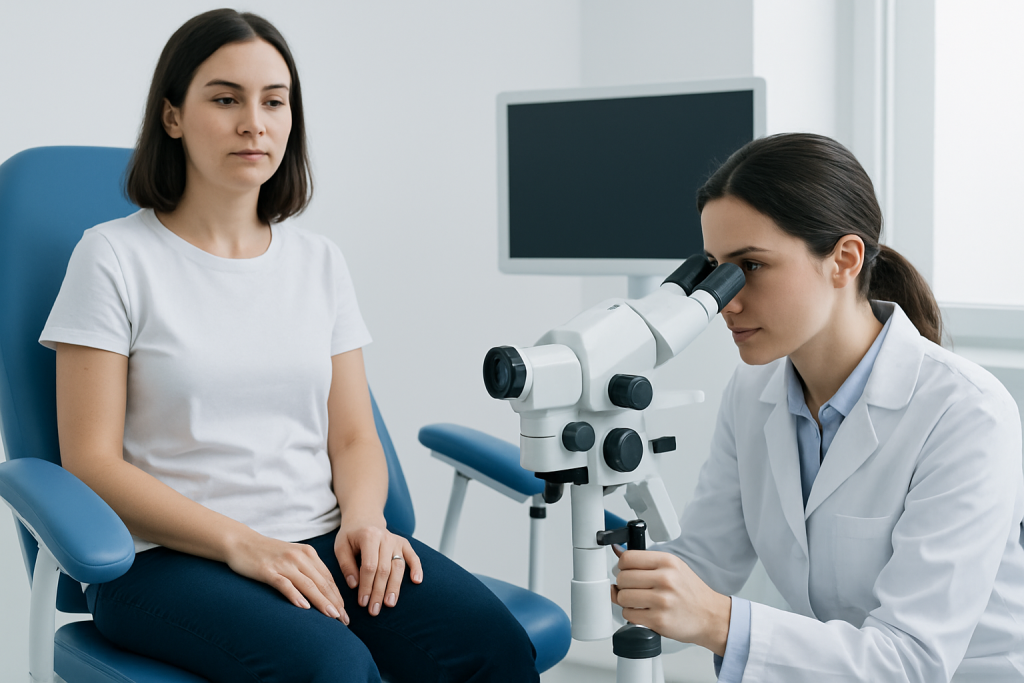
Most nabothian cysts do not cause symptoms at all. They are usually small and remain stable, which is why they are commonly found during a pelvic exam or a cervical screening appointment rather than because of pain or discomfort.
When symptoms do occur, they are more likely related to the size of the cyst or to a separate condition happening at the same time. A larger cyst may sometimes create a feeling of pressure, fullness, or irritation, but this is uncommon.
- No symptoms in many cases
- A visible or palpable bump on the cervix during exam
- Occasional pelvic pressure if the cyst is larger
- Rare concern about abnormal bleeding or discharge, which should be evaluated
Because several cervical and vaginal conditions can overlap in how they feel, symptoms should not be self-diagnosed. Unusual bleeding, persistent discharge, pain during sex, or a new lump should be discussed with a doctor even if a nabothian cyst has been mentioned before.
Causes & Risk Factors
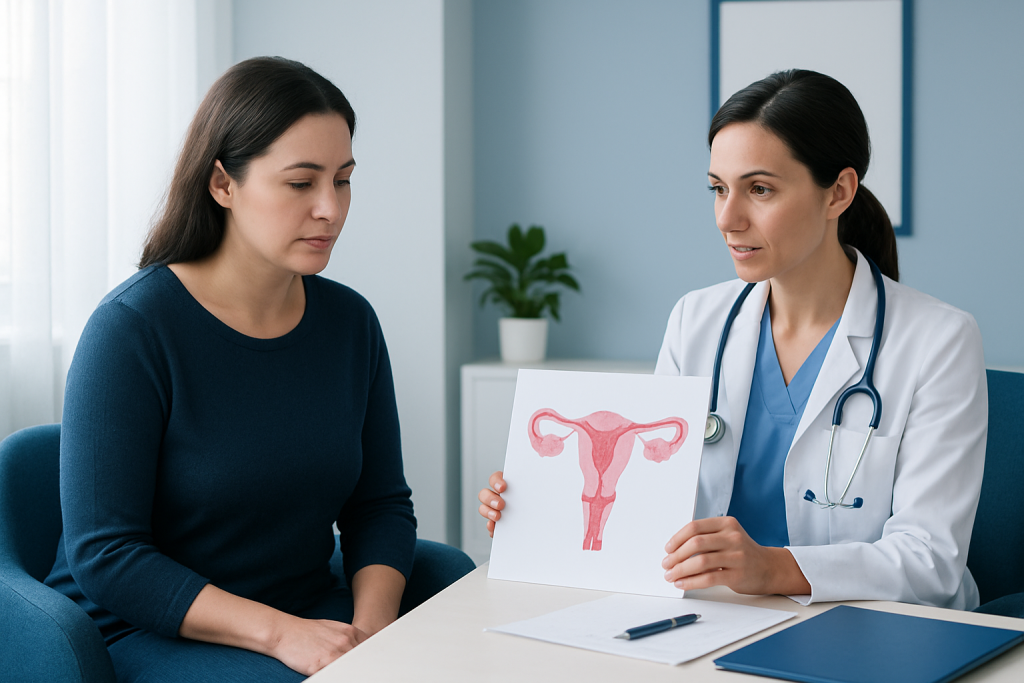
Nabothian cysts develop when the normal mucus glands of the cervix become blocked. The cervix naturally changes over time, and healing after inflammation, childbirth, or tissue changes can allow surface cells to cover the gland openings. Mucus then collects inside and forms a cyst.
There is no single cause in every case, and the cyst is not usually the result of poor hygiene or a dangerous disease. It is a structural change that can happen in adults of reproductive age, and sometimes it is seen after childbirth or after the cervix has undergone repeated irritation or healing.
Possible factors that may be associated include:
- Natural cervical healing after childbirth
- Prior inflammation or irritation of the cervix
- Age-related changes in cervical tissue
- Procedures or trauma affecting the cervix in some cases
Importantly, a nabothian cyst is not the same as cervical cancer. While any cervical finding deserves proper evaluation, most of these cysts are benign and unrelated to malignant disease.
Diagnosis
Diagnosis usually begins with a pelvic exam. A doctor or gynecologist can often recognize a nabothian cyst by its appearance: a small, smooth, dome-shaped bump on the cervix. In many people, that is enough to identify it as a benign cyst.
If the appearance is not completely typical, the clinician may recommend additional evaluation. This can include cervical ultrasound, colposcopy, or, less commonly, a biopsy if there is any uncertainty about what the lesion is. These steps are not taken because a nabothian cyst is expected to be dangerous, but because careful examination is the right way to distinguish it from other cervical conditions.
For Myomectomy Recovery for International Patients: The Usual Travel Timeline" class="ahp-ilk">international patients, this stage is often where clarity matters most. A second opinion may be helpful if a previous report used unfamiliar wording, if the lesion was large, or if the patient is trying to coordinate follow-up after returning home.
Treatment Options
Most nabothian cysts do not need treatment. If the cyst is small and the diagnosis is clear, a doctor may recommend simple observation. In many cases, the cyst remains unchanged for years and never causes trouble.
Treatment is considered when the cyst is large, symptomatic, repeatedly recurring, or difficult to distinguish from another cervical lesion. Options may include drainage or removal by a gynecologist, depending on the cyst’s size, location, and appearance. The goal is usually relief or confirmation, not aggressive intervention.
After any procedure, follow-up may be advised to make sure healing is complete and that the cervix remains comfortable. A patient who is planning to travel should ask how long after treatment they should avoid intercourse, tampons, swimming, or long-distance flights, since recommendations can vary by procedure and by individual recovery.
Prevention & Self-care
There is no guaranteed way to prevent a nabothian cyst, because it can form as part of ordinary cervical healing. Still, the most useful self-care is routine gynecologic follow-up so that any cervical change is identified early and interpreted correctly.
Regular cervical screening, as advised for age and risk profile, helps clinicians notice when a finding is simply a benign cyst and when another condition needs attention. Keeping prior reports, pathology results, and imaging records together can also make future visits smoother, particularly for patients who receive care in more than one country.
For day-to-day care, a person does not usually need to change activities because of a nabothian cyst. If discomfort is present, it is sensible to avoid trying to pop or manipulate the area. Gentle hygiene and prompt medical review for new symptoms are the safest approach.
When to See a Doctor
A doctor should be contacted if a cervical lump is newly discovered, if a symptom develops, or if a previously noted cyst changes in size or appearance. The same applies if there is uncertainty about whether the diagnosis was made confidently during a routine exam.
Medical review is especially important for:
- New or persistent pelvic pain
- Unusual vaginal bleeding, including after sex
- Persistent or foul-smelling discharge
- A cyst that seems larger or different than before
- Any lesion that was not clearly identified as benign
If care is being coordinated from abroad, it can help to bring copies of prior cervical screening results, ultrasound reports, and procedure notes. Acibadem Health Point’s multidisciplinary specialists and JCI-accredited hospitals diagnose and treat conditions such as nabothian cysts for international patients, with follow-up planning designed to stay practical across borders.
Frequently asked questions
What exactly is a nabothian cyst?
A nabothian cyst is a small mucus-filled cyst that forms on the cervix when a mucus gland becomes blocked. It is usually benign and often found during a routine pelvic exam rather than because of symptoms.
Can a nabothian cyst turn into cancer?
A nabothian cyst itself does not turn into cancer. However, a doctor may evaluate it carefully to make sure the lesion is truly a simple cyst and not another cervical condition that needs treatment.
Do nabothian cysts need surgery?
Most do not. Treatment is only considered if the cyst is large, causes symptoms, or is not clearly typical in appearance.
Can a nabothian cyst affect fertility?
In general, no. Small, uncomplicated nabothian cysts do not usually interfere with fertility, pregnancy, or sexual function.
How is a nabothian cyst diagnosed?
A doctor often recognizes it during a pelvic exam based on its appearance. If there is any uncertainty, further tests such as ultrasound, colposcopy, or biopsy may be recommended.
Should someone monitor a nabothian cyst at home?
Home monitoring is usually not necessary unless a doctor advises follow-up. It is better to seek medical review if the cyst changes, becomes painful, or is linked to abnormal bleeding or discharge.
References
- American College of Obstetricians and Gynecologists
- Mayo Clinic
- Cleveland Clinic
- National Health Service
- Merck Manual Consumer Version
This article is for general information only and is not a substitute for professional medical advice. Please consult a qualified doctor about your individual situation.
More from the Health Library



Related Specialists

Prof. Dr. A. Taner Usta
Gynecology & Obstetrics
Prof. Dr. Ahmet Tayyar
Gynecology & Obstetrics
Prof. Dr. Ahmet Cem Batukan
Gynecology & Obstetrics
Dr. Sevgi Selen
Gynecology & Obstetrics