Mole Removal: Procedures, Risks and Recovery

Key Takeaways
- Not every mole needs removal; many are harmless and can simply be observed.
- Removal may be recommended if a mole changes, causes irritation, or looks suspicious.
- Methods include shave removal, surgical excision, and biopsy techniques chosen by the clinician.
- A pathology report is important because it confirms what the mole is and whether more treatment is needed.
- Aftercare matters: keeping the area clean, protecting it from sun, and following wound-care instructions supports healing.
Medically reviewed by the Acıbadem clinical team — August 19, 2026
Mole removal is a common dermatology procedure used for diagnosis, comfort, or cosmetic reasons. A careful skin check helps determine whether a mole can be monitored or should be removed and examined under a microscope.
Overview
Moles are common skin growths made up of pigment-producing cells. Many appear in childhood or early adulthood and remain stable for years. In most cases, they are harmless and do not require treatment.
Mole removal is usually considered for one of three reasons: a mole is being checked because it looks unusual, it keeps catching on clothing or shaving, or the person prefers removal for cosmetic reasons. The right approach depends on the mole’s size, location, appearance, and the clinician’s level of concern after a skin examination.
For international patients, mole removal is often a straightforward outpatient visit, but the experience can still involve several steps: a skin assessment, a possible biopsy, wound care instructions, and later review of pathology results. That sequence helps ensure that the procedure is both medically appropriate and well planned.
Symptoms and signs that a mole should be checked
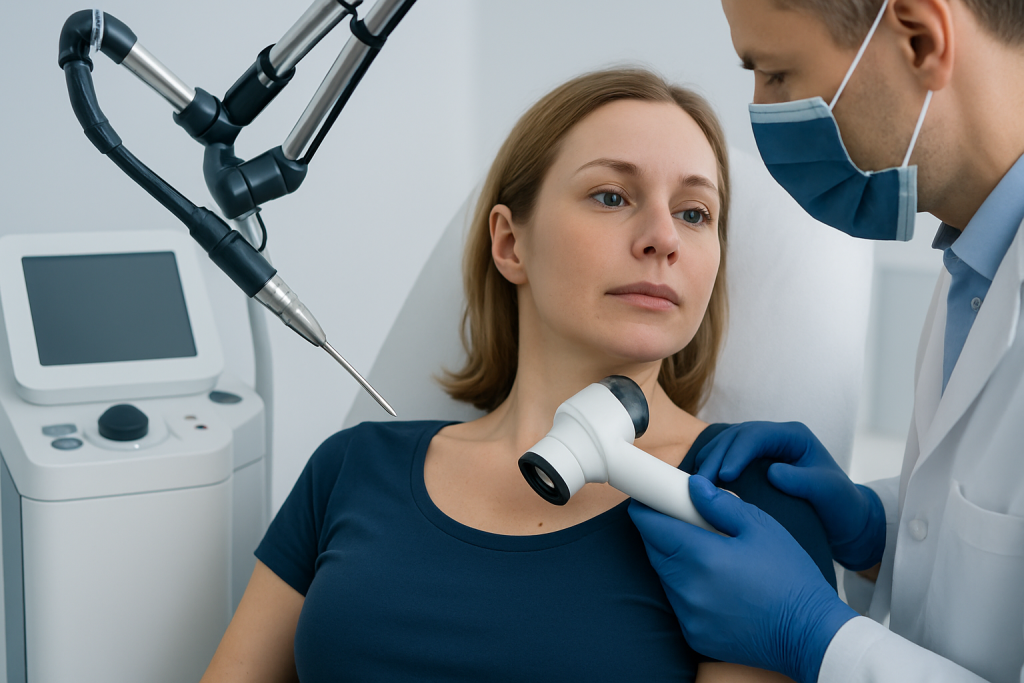
Most moles are round or oval, evenly colored, and similar to the other moles on the body. A mole that stays unchanged over time is less likely to be a problem, although any skin spot can still be reviewed during a routine exam.
It is sensible to seek medical evaluation if a mole begins to look different from the others, feels itchy or tender, or bleeds without an obvious cause. Changes in size, shape, border, or color deserve attention, especially when they happen over weeks or months.
- Asymmetry, where one half does not match the other
- Irregular or blurred edges
- Multiple colors or a very dark, uneven tone
- Rapid growth or elevation
- Crusting, bleeding, oozing, or persistent irritation
These signs do not automatically mean cancer, but they do mean the mole should be examined by a qualified clinician rather than watched casually at home.
Causes and risk factors

Moles form when pigment cells, called melanocytes, grow in clusters instead of spreading evenly through the skin. Genetics, sun exposure, and skin type all influence how many moles a person develops and whether they change over time.
People with fair skin, a personal or family history of many moles, or a history of intense sun exposure may need more regular skin checks. Some moles are present from birth, while others appear later in life and can still be completely benign.
Risk factors for concern are not the same as a diagnosis. A mole on the face, scalp, back, or places that are hard to inspect may simply be harder to monitor, which is one reason clinicians may recommend removal or closer follow-up in certain situations.
Diagnosis and evaluation before removal
Before any mole is removed, the clinician usually examines the skin closely and asks when the spot appeared, whether it has changed, and whether it has caused symptoms. A dermatoscope may be used to view the mole in more detail without touching the skin deeply.
If a mole appears suspicious, removal may be done as a biopsy so the tissue can be sent to a pathology laboratory. This is important because visual inspection alone cannot always distinguish a harmless mole from a skin cancer or another type of growth.
For patients traveling from another country, it is helpful to bring information about previous skin biopsies, family history, medications, and any prior sun-related skin concerns. Clear communication makes it easier to choose the right procedure and plan follow-up, especially if pathology results will return after the patient has gone home.
Treatment options
The best removal method depends on the goal of treatment. If the mole is being checked for diagnosis, the clinician may choose a method that allows the whole lesion or a meaningful portion of it to be examined under the microscope.
Common approaches include shave removal, where the mole is trimmed from the skin surface, and surgical excision, where the mole and a small margin of surrounding skin are removed and the site is closed with stitches. Some moles are removed for cosmetic reasons, while others are removed because they are uncomfortable or repeatedly irritated.
In general, the procedure is performed with local anesthesia, so the area is numbed while the person remains awake. The clinician may then apply a dressing and give wound-care instructions that include how to keep the site clean, when to change dressings, and what symptoms should prompt a follow-up call.
Pathology review is often the most important part of the process. It can confirm that the mole is benign, identify an atypical growth, or indicate whether further treatment is needed if the tissue shows something more serious.
Recovery and aftercare
Most people resume normal daily activities soon after mole removal, although the skin needs time to heal. The exact recovery depends on the size and location of the wound and whether stitches were used.
During the first days, the area is typically kept clean and protected. It is usually wise to avoid picking at scabs, stretching the skin excessively, or soaking the wound until the clinician says it is safe. Sun protection is especially helpful because fresh scars can darken more easily when exposed to ultraviolet light.
Healing often improves steadily over several weeks, but scar appearance may continue to change for months. If the patient is recovering away from the treating center, a local doctor can sometimes assist with stitch removal or wound checks, while the original team reviews pathology findings and advises on next steps.
- Follow the wound-care plan exactly as given
- Watch for increasing redness, swelling, warmth, or discharge
- Use sun protection once the skin is healed enough for it
- Attend any scheduled pathology or follow-up review
Prevention and self-care
Not all moles can be prevented, but skin health habits can reduce avoidable irritation and help people notice meaningful changes earlier. Regular self-checks are useful, especially for those who have many moles or a history of sun exposure.
A good self-check is unhurried and systematic. Looking at the face, scalp, arms, trunk, legs, feet, and between the fingers and toes can help a person notice new spots or changes in existing ones. A mirror or a family member can help with hard-to-see areas.
Protecting the skin from excessive ultraviolet exposure is also important. Shade, protective clothing, and a sensible approach to sunscreen are practical steps that support long-term skin health and make future mole monitoring easier.
When to see a doctor
A doctor should evaluate a mole that is changing, bleeding, painful, persistently itchy, or clearly different from surrounding moles. Medical review is also appropriate if a mole is new in adulthood and looks unusual, or if it is in a location where repeated shaving or friction keeps injuring it.
Prompt assessment is especially important when there is uncertainty. Many skin changes are benign, but only an examination can decide whether monitoring is enough or whether removal and pathology are the safer choice.
For people considering treatment abroad, it is reasonable to ask how the team coordinates diagnosis, pathology, and follow-up across borders. Acibadem Health Point’s multidisciplinary specialists and JCI-accredited hospitals diagnose and treat conditions such as suspicious moles for international patients in a coordinated setting.
Anyone with a wound that does not seem to be healing normally after removal, or with new symptoms after the procedure, should contact the treating clinician for advice rather than waiting for the next routine visit.
Living with mole monitoring after removal
After a mole is removed, many people feel relieved, especially when the mole was causing uncertainty or repeated irritation. If the pathology report shows a benign result, the focus usually shifts to routine skin awareness and general sun protection.
When a mole turns out to be atypical or requires additional treatment, the care plan may include a further excision or specialist follow-up. Even then, the situation is often manageable when addressed early and reviewed carefully.
Keeping a record of removed moles, pathology results, and scar locations can be useful for future appointments, particularly for patients who travel between countries or see different doctors over time. A simple photo log can also help track skin changes more reliably than memory alone.
Frequently asked questions
Do all moles need to be removed?
No. Many moles are harmless and can simply be observed over time. Removal is usually considered when a mole changes, causes symptoms, looks suspicious, or bothers the person for cosmetic or practical reasons.
Is mole removal painful?
The procedure is usually done with local anesthesia, which numbs the area. People may feel pressure or mild tugging, but significant pain is not expected during the removal itself.
Will there be a scar after mole removal?
Any removal can leave some degree of scar, although the size and appearance vary by technique and skin location. Careful wound care and sun protection can help the area heal as well as possible.
Why is the removed mole sent to pathology?
Pathology allows a specialist to examine the tissue under a microscope. This confirms what the mole is and helps determine whether any further treatment or follow-up is needed.
How long does recovery usually take?
Small areas may heal within a couple of weeks, while deeper or stitched wounds can take longer to settle. The skin often continues to mature and change in appearance for several months.
Can a mole grow back after removal?
Sometimes a mole can partially return if cells remain in the skin, especially after superficial removal methods. If that happens, or if the area changes again, it should be reviewed by a clinician.
References
- American Academy of Dermatology
- Mayo Clinic
- National Cancer Institute
- British Association of Dermatologists
- World Health Organization
This article is for general information only and is not a substitute for professional medical advice. Please consult a qualified doctor about your individual situation.
Explore treatments in Turkey — costs, top hospitals & a free quote
JCI-accredited · board-certified surgeons · reply within 24h
Add us as a Preferred Source to see more of our trusted health content across Google Search, AI Overviews and Discover.