Meralgia Paresthetica: Symptoms, Causes and Treatment

Key Takeaways
- It affects sensation in the outer thigh and does not usually weaken the leg muscles.
- Tight clothing, weight changes, pregnancy, and prolonged standing or walking can contribute to symptoms.
- Diagnosis is often based on the symptom pattern and a physical examination, with tests used to rule out other causes.
- Many people improve with simple measures such as avoiding pressure on the nerve and adjusting daily habits.
- Persistent, severe, or unclear symptoms should be assessed by a qualified clinician.
Medically reviewed by the Acıbadem clinical team — August 19, 2026
Meralgia paresthetica is a nerve condition that causes burning, tingling, numbness, or pain on the outer thigh. It is usually related to compression of the lateral femoral cutaneous nerve and often improves once the pressure on the nerve is reduced.
Overview
Meralgia paresthetica is a nerve-related pain syndrome that usually affects one area: the outer part of the thigh. The discomfort comes from irritation or compression of the lateral femoral cutaneous nerve, a purely sensory nerve that helps carry feeling from the skin of the thigh.
Because this nerve does not control muscle movement, the condition typically causes changes in sensation rather than weakness. People may describe burning, tingling, aching, or numbness, and the symptoms can feel more noticeable when standing, walking, or wearing restrictive clothing. For someone deciding whether to seek care, the pattern itself is often the first clue that the problem is nerve compression rather than a joint or muscle injury.
The condition can be unsettling, especially when the symptoms appear without a clear injury. The reassuring part is that meralgia paresthetica is commonly manageable, and many cases improve once the trigger is found and addressed.
Symptoms
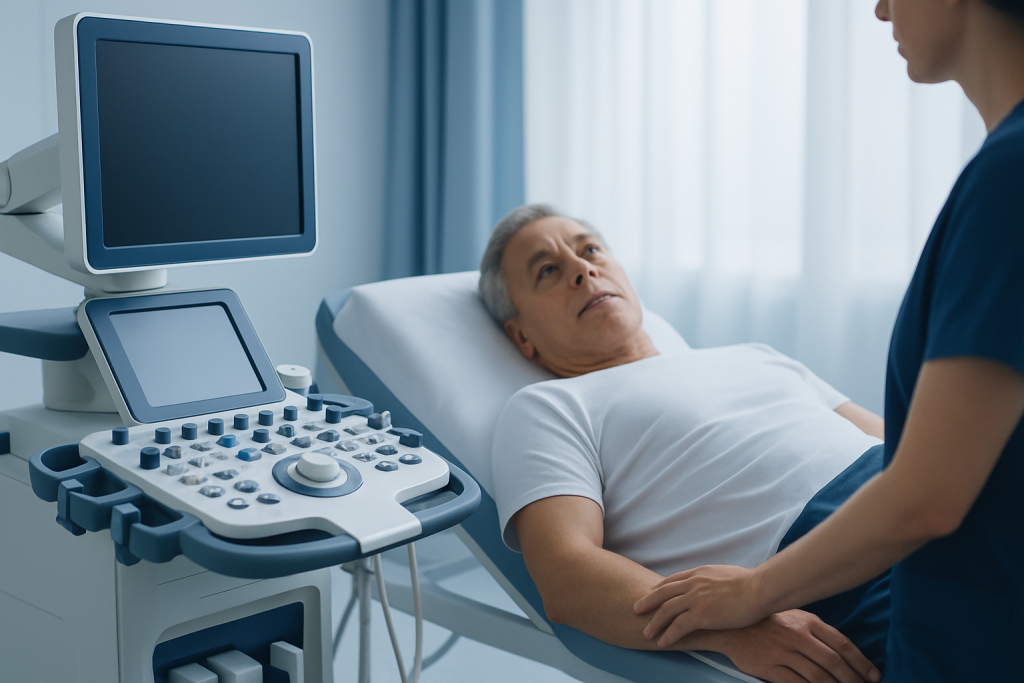
The most typical symptom is a patch of altered sensation on the outer thigh. Some people feel numbness alone, while others notice burning, tingling, pins-and-needles, or a painful sensitivity to touch.
The discomfort may worsen after prolonged standing, walking, or hip movement, and it often eases when sitting or changing position. Clothing that presses on the waist or groin area, such as a tight belt or high-waisted garments, may make the area feel more irritated. In some people, the skin may feel overly sensitive even to light contact from fabric.
What meralgia paresthetica usually does not cause is important too. It generally does not produce leg weakness, swelling, redness, or a widespread loss of function. If those features are present, another cause may need to be considered.
Causes & Risk Factors

Meralgia paresthetica happens when the lateral femoral cutaneous nerve is compressed along its path near the pelvis and groin. That pressure may come from external factors, body changes, or less commonly from anatomy or medical procedures.
Common contributors include tight belts, restrictive clothing, tool belts, weight gain, obesity, pregnancy, and activities that involve repeated hip extension or prolonged standing. Some people develop symptoms after surgery, after trauma to the area, or because of scarring or swelling that changes the space around the nerve.
Risk can be higher in people who have diabetes, who stand or walk for long periods, or who have jobs and routines that place regular pressure on the front of the pelvis. Even so, the condition can occur without an obvious trigger, which is why the history and symptom pattern matter so much in evaluation.
Diagnosis
Diagnosis often begins with a detailed discussion of symptoms and a focused physical examination. A clinician will usually ask where the sensation is felt, what makes it better or worse, and whether there are signs that suggest a different problem, such as back pain, hip pain, or true muscle weakness.
In many cases, the location of symptoms is distinctive enough that the diagnosis can be made clinically. If the picture is less clear, tests may be used to rule out other causes of thigh pain or numbness, such as lumbar spine problems, hip disorders, or peripheral neuropathy. These tests may include nerve studies, imaging, or laboratory work depending on the situation.
For international patients, this stage can be especially helpful because it clarifies whether travel for treatment is even necessary. When symptoms are mild and straightforward, the care plan may be simple; when the cause is uncertain or symptoms are persistent, a more complete assessment helps guide the next step safely.
Treatment Options
Treatment usually begins with reducing pressure on the nerve. That may mean wearing looser clothing, avoiding tight waistbands, modifying work habits, or taking breaks from activities that trigger symptoms. If weight-related pressure is a factor, gradual and medically appropriate weight management may be part of the plan.
Clinicians may also recommend pain-relief strategies, physical therapy, or medicines that target nerve discomfort when symptoms are troublesome. The exact choice depends on how long the symptoms have been present, how severe they are, and whether the condition seems to be improving on its own. In some cases, a targeted nerve injection may be considered by a specialist to calm the irritated nerve and support recovery.
When symptoms do not improve with conservative measures or when another structural cause is suspected, further evaluation may be needed. Surgery is uncommon and is generally reserved for selected cases after careful specialist review.
Prevention & Self-care
Not every case can be prevented, but many people can lower the chance of ongoing irritation by changing the pressure patterns around the waist and hip. Practical adjustments often include loosening belts, choosing less constrictive clothing, and varying posture during long standing or walking periods.
Simple self-care can also make day-to-day life easier while the nerve settles down. Short rest periods, avoiding positions that repeatedly pinch the front of the pelvis, and following an individualized exercise or stretching plan may help. If pregnancy or weight change is part of the picture, the focus is usually on supportive, gradual measures rather than quick fixes.
- Choose clothing that does not press on the groin or upper thigh.
- Take breaks from repetitive standing or walking when possible.
- Follow clinician advice before starting exercises or using medications.
- Keep track of which positions or activities trigger symptoms.
For patients managing care from another country, a written symptom log can be useful during follow-up visits. It helps the medical team see whether the nerve irritation is easing or whether a different approach is needed.
When to See a Doctor
Medical assessment is a good idea if thigh numbness or burning pain lasts more than a short period, keeps returning, or interferes with sleep, work, or walking. It is especially important to seek evaluation if the cause is not obvious, because similar symptoms can come from the spine, hip, or circulation rather than the nerve described here.
Prompt care is also sensible if there is leg weakness, significant back pain, fever, swelling, redness, or trouble controlling the bladder or bowel. Those features are not typical of meralgia paresthetica and may point to another condition that needs attention.
For people traveling for care, an experienced medical team can help determine whether symptoms are likely to settle with conservative treatment or whether more detailed testing is warranted. Acibadem Health Point’s multidisciplinary specialists and JCI-accredited hospitals diagnose and treat meralgia paresthetica for international patients in a coordinated way.
Living With the Condition and Recovery
Recovery is often gradual, and improvement may happen in small steps rather than all at once. That can be frustrating, especially when the symptom is sensory and easy to notice throughout the day, but gradual nerve settling is common.
Keeping expectations realistic helps. Some people recover after removing the trigger and making simple lifestyle changes, while others need a combination of therapy, medication, and specialist follow-up. The best plan is usually the one that matches the person’s daily routine, symptom pattern, and overall health.
When follow-up care is organized across borders, clear communication matters. Patients benefit from a concise summary of the diagnosis, the treatments tried, and the response over time so the next clinician can continue care without repeating unnecessary tests.
Frequently asked questions
Is meralgia paresthetica dangerous?
It is usually not dangerous, and it does not typically cause muscle weakness or permanent loss of movement. The main issue is uncomfortable sensory symptoms that can affect daily life. A doctor should still evaluate persistent symptoms to confirm the cause.
Can meralgia paresthetica go away on its own?
Yes, it can improve on its own, especially when the source of nerve pressure is removed. Many people notice gradual relief after changing clothing, posture, or activity patterns. If symptoms continue, medical review is recommended.
What does meralgia paresthetica feel like?
People often describe burning, tingling, numbness, or sensitivity on the outer thigh. The area may feel irritated by touch or worse after long periods of standing or walking. The discomfort is usually limited to sensation rather than strength.
How is it different from sciatica?
Meralgia paresthetica usually affects the outer thigh only and comes from a sensory nerve near the pelvis. Sciatica often starts in the lower back and can travel down the leg, sometimes with weakness or shooting pain. A clinician can help tell the difference through history and examination.
Do I need surgery for meralgia paresthetica?
Most people do not need surgery. Treatment often begins with conservative steps such as avoiding pressure on the nerve and managing symptoms. Surgery is generally considered only when symptoms are severe or persistent despite other care.
Which doctor should I see for this condition?
A primary care doctor, neurologist, or orthopedist may help evaluate the symptoms, depending on the setting and local access. If the diagnosis is uncertain or the symptoms continue, a specialist can arrange further testing or treatment. The main goal is to confirm the cause and rule out other problems.
References
- Mayo Clinic
- Cleveland Clinic
- National Institute of Neurological Disorders and Stroke
- Merck Manual Professional Version
- American Academy of Neurology
This article is for general information only and is not a substitute for professional medical advice. Please consult a qualified doctor about your individual situation.
Joint and spine care in Turkey — expert assessment & treatment
JCI-accredited · board-certified surgeons · reply within 24h
Add us as a Preferred Source to see more of our trusted health content across Google Search, AI Overviews and Discover.