Paraffin Wax

Key Takeaways
- Paraffin wax therapy is a warm, melted wax treatment that can help soothe dry skin and ease mild stiffness.
- It is most often used in hand, foot, and rehabilitation settings rather than as a stand-alone medical treatment.
- People with poor circulation, reduced sensation, open wounds, or certain skin conditions may need to avoid it.
- A medical professional can help decide whether paraffin wax is appropriate for skin care or joint comfort.
- Safe use depends on temperature control, hygiene, and following instructions carefully.
Paraffin wax is commonly used in therapy and skincare to help soften dry skin and ease temporary stiffness in the hands, feet, or joints. Understanding how it is used, who may benefit, and when it should be avoided helps people make safe, informed choices.
Overview
Paraffin wax is a soft, heat-retaining wax made from refined petroleum-based materials. In health care and personal care settings, it is usually warmed until it becomes a smooth, liquid bath that can be applied to the hands, feet, or other small areas of the body. Once the wax cools, it forms a gentle insulating layer that helps the skin hold warmth for a short period.
That simple warming effect is the reason paraffin wax has a place in both wellness and rehabilitation. For some people, it can make dry, rough skin feel more supple. For others, especially those dealing with stiffness in the fingers or wrists, it may provide comforting heat before exercises or other therapy sessions.
It is important to keep expectations realistic. Paraffin wax does not treat the underlying cause of arthritis, nerve problems, skin disease, or circulation issues. It is best understood as a supportive measure that may improve comfort when used in the right setting and for the right person.
How Paraffin Wax Is Used
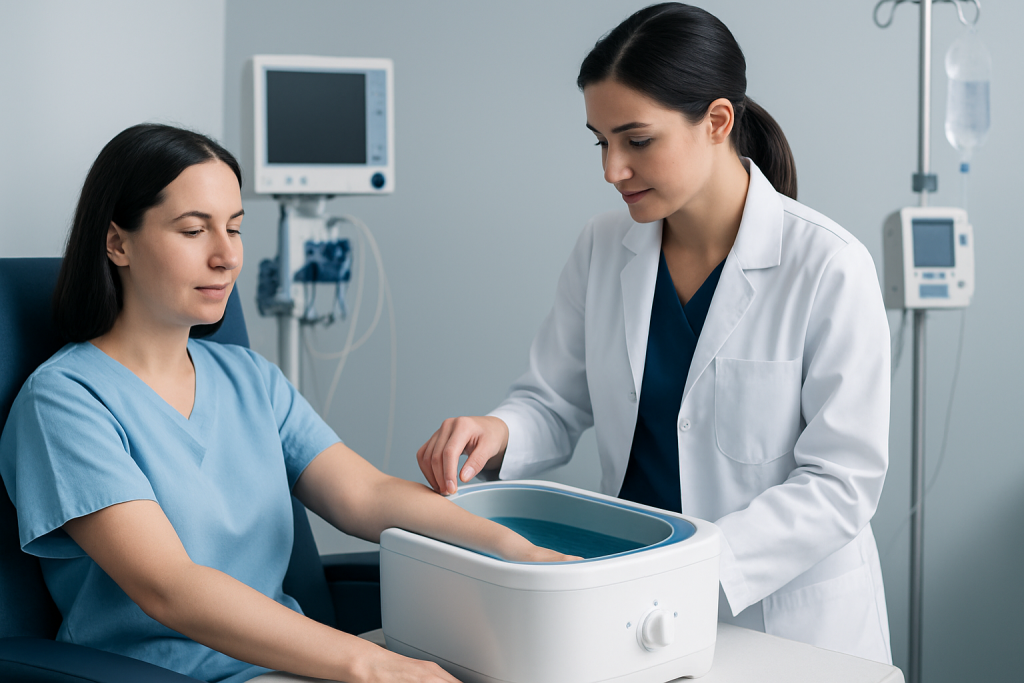
Paraffin wax treatment is usually performed with a controlled warming device that melts the wax to a safe temperature. In many clinics, the affected hand or foot is dipped briefly into the wax, lifted out to allow a thin coating to harden, and then dipped again several times. The area is then wrapped in plastic and covered with a towel or mitt to keep the warmth in place.
This method is used in different ways depending on the goal. In skin care, the wax may be used to soften rough patches before moisturizing. In rehabilitation, it may be used before stretching or range-of-motion exercises so the tissues feel more comfortable. Some people also encounter paraffin wax in spa-like settings, although the medical approach is more controlled and focused on safety.
Because the treatment involves heat, proper equipment matters. The wax should never be overheated, and homemade heating methods can be risky. In a clinical environment, staff members can check whether the skin is suitable for treatment and whether the person’s medical history makes the method a good option.
Symptoms and Conditions It May Help

Paraffin wax is not a cure for disease, but it may be useful for symptoms related to dryness or stiffness. People sometimes use it when the skin on the hands or feet feels rough, cracked, or uncomfortable, especially during colder months or after frequent washing. The added moisture from subsequent creams can be more noticeable after the skin has been warmed and softened.
In rehabilitation, warm wax may help people with temporary stiffness or reduced flexibility in the fingers, hands, or feet. It is often considered when a person needs gentle warmth before exercises for conditions such as osteoarthritis or after certain overuse injuries. Some people find the heat soothing when their joints feel tight in the morning.
Common situations where a clinician might consider paraffin wax include:
- Dry, rough skin on the hands or feet
- Mild joint stiffness in the fingers, wrists, or toes
- Warm-up before hand therapy exercises
- Comfort-focused care for tired, overworked hands
Even in these situations, a professional assessment is helpful, because similar symptoms can sometimes come from conditions that need different treatment.
Causes and Risk Factors
People usually seek paraffin wax therapy because of the effects of everyday dryness, repetitive hand use, mild stiffness, or recovery from musculoskeletal discomfort. Cold weather, frequent handwashing, harsh soaps, and some skin conditions can all make the skin feel drier and less comfortable. In rehabilitation, the goal is often to use warmth to prepare the area for movement.
Not everyone is a good candidate. Paraffin wax is generally unsuitable when the skin is broken, infected, very inflamed, or unable to sense heat properly. People with diabetes-related neuropathy, poor circulation, or reduced sensation in the hands or feet may be at higher risk of burns because they may not feel if the wax is too hot.
Other factors that call for extra caution include recent surgery, severe swelling, open cuts, or active rashes in the treatment area. A clinician can help determine whether wax therapy is appropriate or whether a different approach would be safer and more effective.
Diagnosis and Clinical Assessment
There is no special test for paraffin wax use itself. Instead, the decision to use it is based on the condition being treated and a quick assessment of the skin, joints, circulation, and sensation. A therapist, doctor, or nurse may ask about symptoms, medical history, and any prior reactions to heat-based treatments.
For example, someone with hand stiffness may be evaluated for arthritis, tendon problems, overuse, or recovery after an injury. A person with dry skin may be assessed for eczema, contact irritation, or the effects of medication and environmental exposure. This matters because paraffin wax may be helpful for comfort, but it should not delay proper diagnosis when symptoms are persistent or unusual.
In a medical setting, the clinician also checks whether the area is suitable for warmth. They may look for redness, cuts, swelling, circulation problems, or numbness. That simple review helps reduce avoidable risks and makes the treatment more targeted.
Treatment Options
When paraffin wax is used appropriately, it is usually one part of a broader care plan rather than the whole plan. For dry skin, treatment often includes fragrance-free moisturizers, gentle cleansing, avoiding overly hot water, and protecting the skin from irritants. For stiffness, wax may be paired with hand exercises, stretching, splinting, or occupational therapy.
In some rehabilitation programs, paraffin wax is used before movement work because warmth can make the hands feel more comfortable. That comfort may help a person participate more fully in therapy, but the wax itself does not replace strengthening, mobility training, or other medical care. If pain, swelling, or loss of function is significant, additional evaluation is usually needed.
People planning care while traveling for treatment often find it helpful to ask in advance how wax therapy fits into their overall program. A clinic can explain whether it is part of post-procedure recovery, occupational therapy, or skin care support, and whether follow-up can be arranged once the person returns home. Acibadem Health Point’s multidisciplinary specialists and JCI-accredited hospitals can diagnose and treat this condition for international patients, with care plans tailored to individual needs.
Prevention and Self-care
Safe home care starts with gentle, practical habits. For skin comfort, regular moisturizing after washing, avoiding harsh soaps, and using gloves during cleaning or cold-weather exposure can reduce dryness. For hand stiffness, brief movement breaks, stretching, and staying active within comfort limits may be more useful than relying on heat alone.
If paraffin wax is used, it should be done only with a device designed for that purpose and only when the skin is intact and able to feel temperature normally. The wax should never be used on freshly shaved skin, open wounds, or areas with active inflammation unless a qualified clinician has specifically advised it. After treatment, the skin should be checked for redness or discomfort.
Hygiene also matters. Shared wax baths in clinics or spas should be maintained carefully, and any wax contaminated by skin debris should be handled according to proper cleaning standards. For people with recurring skin or joint symptoms, a clinician can suggest safer long-term strategies rather than repeated unsupervised heat treatments.
When to See a Doctor
Medical advice is recommended when dryness is severe, cracking is painful, or skin changes do not improve with basic care. Persistent joint stiffness, swelling, weakness, or reduced range of motion also deserves evaluation, especially if it affects daily tasks such as dressing, writing, or gripping objects.
Paraffin wax should not be used, or should be used only under professional guidance, if there is numbness, poor circulation, active skin disease, open wounds, infection, or a history of burns from heat exposure. If pain increases after treatment, or if the skin becomes unusually red, blistered, or irritated, the area should be assessed promptly.
For international patients deciding whether to travel for care, it can be useful to ask a clinic how they assess suitability for wax-based therapy and how they coordinate rehabilitation or skin care after the initial visit. A doctor, dermatologist, or therapist can help determine whether paraffin wax is a sensible supportive measure or whether another treatment would better match the underlying problem.
Frequently asked questions
What is paraffin wax used for in medicine and skin care?
Paraffin wax is used to provide gentle warmth that may soften dry skin and help relieve mild stiffness in the hands, feet, or small joints. It is usually a supportive therapy rather than a primary treatment.
Is paraffin wax safe for everyone?
No, it is not suitable for everyone. People with numbness, poor circulation, open skin, infection, or significant inflammation should ask a clinician before using it because heat can cause injury when sensation is reduced.
Can paraffin wax help arthritis?
It may help some people with arthritis feel temporary comfort and easier movement, especially before hand exercises. However, it does not treat the underlying arthritis itself, so it is best used as part of a broader care plan.
How often can paraffin wax be used?
The frequency depends on the reason for use and the person’s skin and nerve health. A therapist or doctor can suggest a safe schedule, particularly if the treatment is being used alongside rehabilitation or skin care.
Can paraffin wax be used at home?
Some people use home paraffin wax devices, but safety is important. The wax should be warmed only in equipment made for that purpose, and it should never be used on broken skin or in areas with poor sensation.
When should someone stop using paraffin wax?
It should be stopped if the skin becomes irritated, blistered, excessively red, or painful. It should also be avoided if new symptoms suggest infection, circulation problems, or a condition that needs medical evaluation.
References
- American Academy of Dermatology
- Mayo Clinic
- National Institute of Arthritis and Musculoskeletal and Skin Diseases
- Arthritis Foundation
- Cleveland Clinic
This article is for general information only and is not a substitute for professional medical advice. Please consult a qualified doctor about your individual situation.