Iron Infusion: Uses, Procedure and Side Effects

Key Takeaways
- Iron infusion is used when oral iron is ineffective, poorly tolerated, or when iron needs to be replaced more quickly.
- It may be recommended for iron deficiency anemia, heavy blood loss, malabsorption, or certain chronic conditions.
- The procedure is usually done in a clinic or hospital setting with monitoring for side effects.
- Most people can return to normal activities soon after treatment, but follow-up blood tests are important.
- A doctor should confirm the cause of iron deficiency so the right treatment plan can be chosen.
Medically reviewed by the Acıbadem clinical team — August 19, 2026
Iron infusion is a medical treatment that delivers iron directly into the bloodstream when tablets are not enough, not tolerated, or too slow to help. It is commonly used to treat iron Anemia: Treatment Options" class="ahp-ilk">deficiency anemia and restore iron stores under medical supervision.
Overview
Iron infusion, also called intravenous iron therapy, gives iron through a vein rather than by mouth. This approach allows the body to access iron directly, which can be helpful when iron tablets are not absorbed well, cause troublesome stomach upset, or do not correct a deficiency quickly enough.
For many people, iron deficiency develops gradually and may be discovered during routine blood tests or while investigating fatigue, pale skin, shortness of breath, dizziness, or reduced exercise tolerance. An infusion does not replace the need to understand why iron levels are low; it is one part of a wider medical plan that may also include looking for blood loss, dietary gaps, or absorption problems.
International patients sometimes consider iron infusion when they are already planning care abroad for another condition, or when they need coordinated testing and treatment in a short time frame. In those situations, the details matter: the diagnosis, the infusion type, the monitoring plan, and the follow-up schedule should all be clear before treatment begins.
Symptoms That May Lead to Treatment
People do not receive iron infusion for a single symptom alone. The treatment is generally recommended after blood tests confirm iron deficiency, often with or without anemia. Even so, symptoms can help explain why a doctor starts looking for the problem in the first place.
Common signs of iron deficiency may include persistent tiredness, weakness, pale skin, headaches, feeling breathless with ordinary activity, brittle nails, restless legs, or difficulty concentrating. Some people also notice a rapid heartbeat or reduced stamina, especially when anemia is more advanced.
- Fatigue that does not improve with rest
- Shortness of breath during mild activity
- Dizziness or lightheadedness
- Pica, or cravings for non-food items such as ice
- Restless legs, especially at night
These symptoms are not specific to iron deficiency, which is why medical evaluation is important. A clinician will usually combine symptoms with laboratory results before deciding whether iron infusion is appropriate.
Causes & Risk Factors

Iron deficiency has several possible causes, and some people have more than one at the same time. A common reason is blood loss, such as heavy menstrual bleeding, bleeding from the digestive tract, or frequent blood donation. Even a healthy diet may not fully compensate if losses are ongoing.
Another group at higher risk includes people whose intestines do not absorb iron effectively. This can happen with conditions such as inflammatory bowel disease, celiac disease, after certain stomach or bowel surgeries, or when chronic acid-reducing medicines interfere with absorption in some cases. Pregnancy, rapid growth, endurance training, and some long-term illnesses can also increase iron needs.
Doctors may consider iron infusion when oral iron is unlikely to work well or when the body needs replenishment more quickly. That decision often depends on the underlying condition, the severity of deficiency, past response to tablets, and the person’s overall health and travel plans if care is being coordinated across countries.
Diagnosis
Diagnosis begins with a conversation and blood tests. A clinician typically reviews symptoms, diet, menstrual history, medications, digestive symptoms, recent surgery, and any known chronic conditions that could affect iron levels. The aim is not only to confirm deficiency but also to understand why it developed.
Common tests may include a complete blood count, ferritin, serum iron, transferrin saturation, and sometimes inflammatory markers or additional studies. Ferritin is especially useful because it reflects stored iron, although it can be influenced by inflammation. In some cases, doctors may look for hidden bleeding or other causes with stool tests, endoscopy, gynecologic assessment, or further imaging.
When iron infusion is being planned, the care team also checks whether there are reasons to proceed cautiously, such as a history of reactions to infusions, certain medical conditions, or current infection. For international patients, this stage often includes making sure prior records, lab results, and treatment summaries are available before travel so the visit is efficient and safe.
Treatment Options
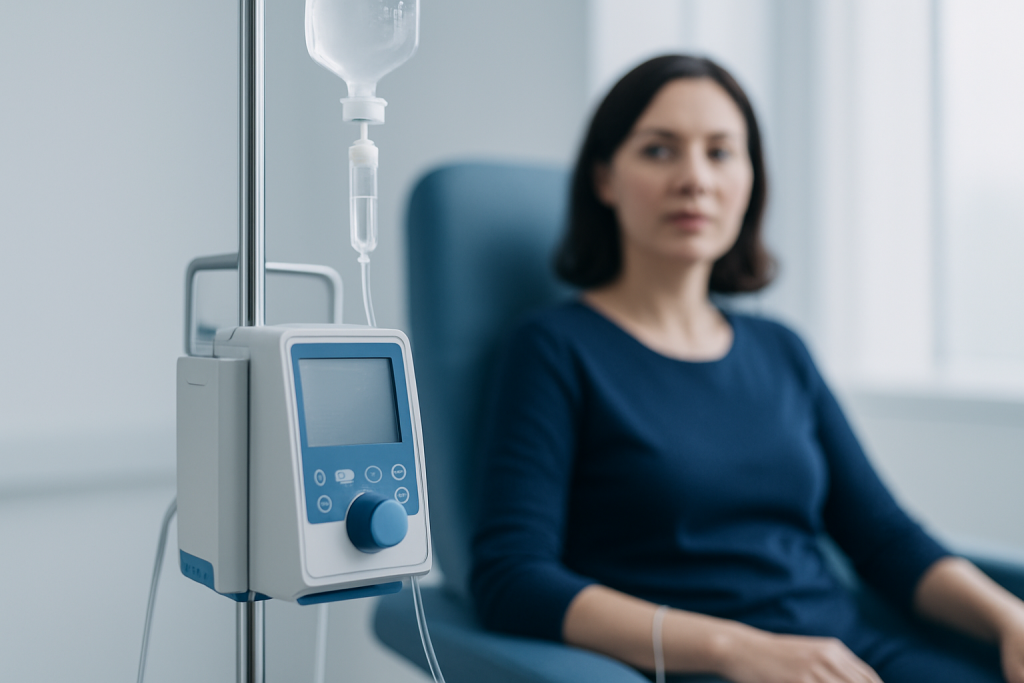
Iron infusion is usually performed in a monitored outpatient setting, although hospital care may be used if a person is unwell or has more complex needs. A healthcare professional places a small intravenous line, and the iron medicine is given over a period of time that depends on the preparation being used and the dose needed.
During the session, the team watches for discomfort or signs of a reaction. Most people tolerate treatment well, but as with any infusion, observation is important. Afterward, some clinics advise a short rest period before going home, while others allow people to leave soon after the infusion if they are stable and feeling well.
The exact infusion plan varies because not all iron products are the same. Some are designed to deliver a larger amount in fewer visits, while others are given in smaller doses over multiple sessions. The doctor will choose a suitable option based on the lab results, the urgency of treatment, past reactions, and whether travel or follow-up logistics make a simpler schedule preferable.
It is also important to remember that iron infusion treats the deficiency, not the cause. If heavy menstrual bleeding, gastrointestinal blood loss, dietary restrictions, or malabsorption are contributing factors, those issues may need separate treatment so the iron stores do not fall again.
What to Expect During and After the Procedure
Before the infusion, the care team usually confirms the diagnosis, reviews allergies and medications, and explains what the patient should expect. Some people ask about pre-treatment food intake, but the answer can vary by clinic and the specific iron product, so instructions should be followed exactly as given.
During treatment, a person may feel coolness at the IV site or notice a metallic taste briefly. Mild flushing, headache, or nausea can occur, and staff can pause or adjust the infusion if needed. True severe reactions are uncommon, but monitoring is part of standard care because quick attention is the safest approach.
After the infusion, many people go back to routine activities the same day. Some feel better fairly soon, while for others it may take days or weeks before energy levels improve. Follow-up blood tests are usually needed to check whether iron stores are rising as expected and whether additional treatment is required.
Temporary side effects can include tiredness, joint aches, a mild feverish feeling, constipation, or soreness at the injection site. If symptoms are unusual, persistent, or worrying, the patient should contact the treating team for guidance rather than assuming they are routine.
Prevention & Self-care
Self-care after iron infusion is usually straightforward, but it works best when it is linked to the bigger picture. Eating an iron-rich diet, taking prescribed medicines as directed, and attending follow-up appointments all help protect the improvement gained from treatment.
Helpful habits may include pairing iron-containing foods with vitamin C-rich foods, discussing menstrual management if heavy bleeding is an issue, and addressing digestive symptoms that could point to malabsorption. People should not start iron supplements on their own without medical advice, especially if they have already received an infusion or have other health conditions.
- Keep follow-up laboratory appointments
- Tell the doctor if fatigue returns
- Share a complete list of medications and supplements
- Ask about the cause of the deficiency, not only the treatment
- Seek advice before long-distance travel after a recent infusion if symptoms persist
For patients traveling from abroad, planning ahead can make recovery smoother. It helps to leave with written instructions, a clear contact point for questions, and a timeline for any repeat labs or specialist review after returning home.
When to See a Doctor
Medical assessment is important if symptoms of iron deficiency last more than a short time, worsen, or interfere with daily life. A doctor should also be seen if there is heavy menstrual bleeding, black stools, blood in the stool, unexplained weight loss, ongoing digestive problems, or a history of stomach or bowel surgery.
After an iron infusion, prompt advice is needed for breathing difficulty, swelling, rash, chest pain, fainting, or a rapidly worsening reaction. Most people will not experience these problems, but they should never be ignored if they occur.
In the broader sense, iron deficiency should not be treated as a simple “low energy” problem without explanation. The cause may be manageable once identified, and the right treatment plan often depends on a careful review by a qualified clinician.
For patients seeking coordinated care across borders, multidisciplinary specialists and JCI-accredited hospitals, such as those associated with Acibadem Health Point, can help diagnose and treat iron deficiency in a structured way for international patients.
Recovery and Follow-up
Recovery after iron infusion is usually uncomplicated, but the follow-up phase is where treatment becomes truly useful. Doctors often repeat blood tests after a suitable interval to see whether iron stores and hemoglobin are improving and to decide if additional iron is needed.
If the underlying cause is not addressed, deficiency may return even after a successful infusion. That is why follow-up sometimes includes gynecology, gastroenterology, nutrition, or other specialties depending on the source of iron loss or poor absorption.
Patients who live far from the treatment center should plan how follow-up will work before leaving. Sharing results with a local doctor, keeping copies of infusion records, and knowing which symptoms should prompt reassessment can make long-distance care safer and more practical.
Frequently asked questions
Who usually needs an iron infusion instead of tablets?
An iron infusion is often considered when oral iron does not raise levels adequately, causes side effects, or is not likely to be absorbed well. It may also be chosen when iron needs to be replaced more quickly than tablets can manage. A doctor decides this based on blood tests and the person’s medical history.
Is an iron infusion the same as a blood transfusion?
No. An iron infusion replaces iron stores, while a blood transfusion provides red blood cells directly. They are used for different reasons, and the choice depends on the severity and cause of the problem.
How long does it take to feel better after an iron infusion?
Some people notice improvement within days, while for others it takes a few weeks. The timeline depends on how low the iron levels were, whether anemia was present, and whether another condition is also affecting energy levels. Follow-up testing helps show whether the treatment is working.
Are there side effects after iron infusion?
Mild side effects such as headache, nausea, flushing, tiredness, or soreness at the IV site can happen. Serious reactions are uncommon, but medical staff monitor patients during the infusion because safety observation is standard practice. Any severe or unexpected symptom should be reported promptly.
Can iron deficiency come back after treatment?
Yes, it can return if the underlying cause is still present. Heavy bleeding, digestive disease, poor absorption, or ongoing increased iron needs may all lead to recurrence. That is why treating the cause and arranging follow-up are both important.
Can a patient travel soon after an iron infusion?
Many people can travel after treatment if they feel well and the clinician agrees. However, it is wise to confirm the follow-up plan, especially if another dose or repeat blood test is needed. International patients should also keep their infusion record and contact details for the treating team.
References
- National Institutes of Health Office of Dietary Supplements
- Mayo Clinic
- NHS
- World Health Organization
- American Society of Hematology
This article is for general information only and is not a substitute for professional medical advice. Please consult a qualified doctor about your individual situation.
Persistent digestive symptoms? Get evaluated in Turkey
JCI-accredited · board-certified surgeons · reply within 24h
Add us as a Preferred Source to see more of our trusted health content across Google Search, AI Overviews and Discover.