Appendix

Key Takeaways
- The appendix is normally small and not noticeable, but inflammation can cause a medical emergency.
- Appendicitis often begins with abdominal pain that may shift toward the lower right side, along with nausea or fever.
- Diagnosis may include a physical examination, blood tests, urine tests, and imaging such as ultrasound or CT.
- Treatment commonly involves surgery to remove the appendix, and in some cases antibiotics may be used.
- Prompt evaluation is important because appendicitis can worsen if it is not treated in time.
The appendix is a small pouch attached to the large intestine, but when it becomes inflamed, it can cause appendicitis, a condition that needs timely medical attention. This article explains how appendicitis develops, how it is diagnosed, and what treatment and recovery usually involve.
Overview
The appendix is a small, finger-shaped pouch attached to the beginning of the large intestine. Most people do not notice it during daily life, but when it becomes blocked and inflamed, the result is appendicitis. This condition is common enough that doctors consider it an important cause of sudden abdominal pain, especially when discomfort is centered in the lower right abdomen.
Appendicitis is not something to watch casually at home for long periods. The concern is not the appendix itself, but what can happen if inflammation continues. A swollen appendix may become infected or rupture, which can spread infection inside the abdomen. For that reason, doctors usually recommend timely assessment rather than waiting for symptoms to settle on their own.
For international patients, the path to care often starts with deciding whether symptoms are severe enough to seek urgent evaluation while abroad or after arrival. When appendicitis is suspected, a clear, fast diagnosis helps guide the next step, whether that is surgery, antibiotics, or observation in a hospital setting.
Symptoms
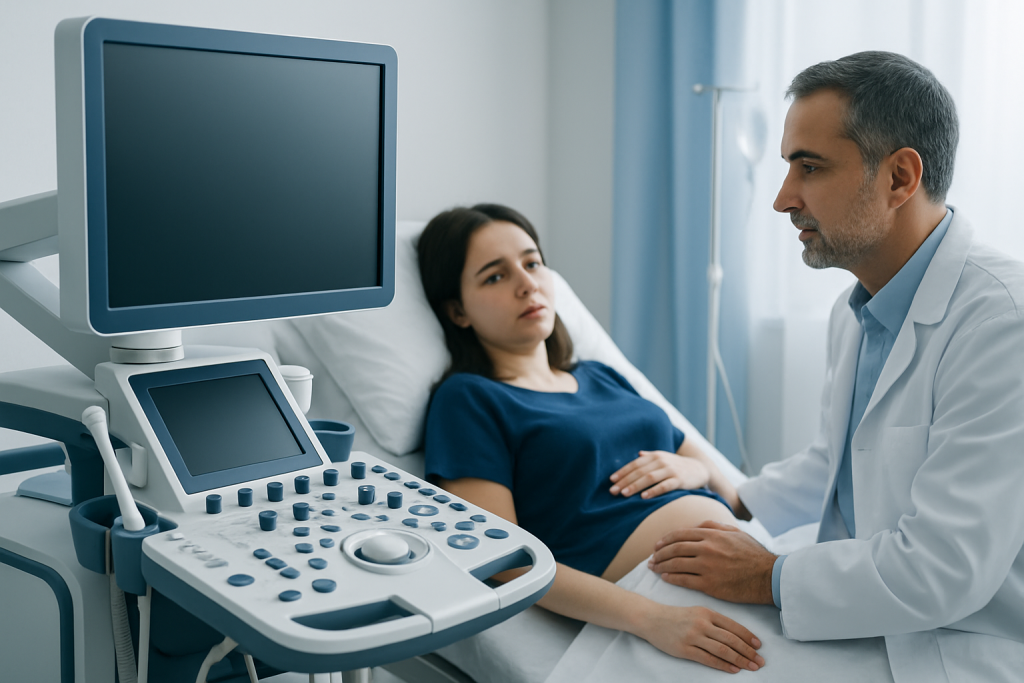
Appendicitis does not always begin in the same way for every person, but abdominal pain is usually the most important early clue. The pain may start near the navel and then move toward the lower right side of the abdomen. Over time, it often becomes sharper and more persistent, and movement, coughing, or walking may make it feel worse.
Other symptoms can appear alongside the pain. These may include nausea, vomiting, loss of appetite, mild fever, bloating, or constipation. Some people notice diarrhea instead, which can make the picture less straightforward, especially in children, older adults, or people with other digestive conditions.
Symptoms can also be less typical than many people expect. In pregnancy, the elderly, and patients with a retrocecal appendix or other anatomical variation, the pain location may be different. Because of that, doctors look at the full pattern of symptoms rather than relying on one single sign.
- Abdominal pain that may worsen over hours
- Pain that becomes more noticeable in the lower right abdomen
- Nausea, vomiting, or reduced appetite
- Fever or general feeling of being unwell
- Pain that increases with movement, coughing, or pressing on the area
Causes & Risk Factors

Appendicitis usually begins when the appendix becomes blocked. The blockage may be caused by hardened stool, swollen tissue, infection, or, less commonly, a foreign body or growth. Once the opening is obstructed, bacteria can multiply inside the appendix, leading to inflammation and swelling.
Doctors do not always identify a single clear cause in every case, and many people have no obvious warning before symptoms begin. Still, some patterns are associated with higher risk. Appendicitis can occur at any age, but it is often seen in children, adolescents, and young adults. A family history may also play a role in some cases.
It is important to understand that appendicitis is not caused by diet in a simple or direct way. A balanced diet and regular hydration support digestive health, but they do not guarantee prevention. The key issue is usually blockage and inflammation, not a single food or lifestyle habit.
Risk may be harder to recognize in people traveling internationally, because abdominal pain can be mistaken for food-related discomfort, jet lag, or a temporary stomach upset. When pain is localized, worsening, or paired with fever or vomiting, medical assessment is more appropriate than assuming it will pass.
Diagnosis
Diagnosis begins with a medical history and a physical examination. A doctor will ask when the pain started, where it is located, whether it has moved, and what symptoms are present alongside it. The abdominal examination helps identify tenderness, guarding, or signs that suggest irritation inside the abdomen.
Laboratory tests are often part of the workup. Blood tests may show signs of inflammation or infection, while a urine test helps rule out urinary causes of pain such as a kidney stone or urinary tract infection. In many hospitals, imaging is used to confirm the diagnosis when the picture is not completely clear.
Ultrasound is often helpful, especially in children and pregnancy. CT scans can provide a more detailed view and are commonly used in adults when the diagnosis needs clarification. MRI may be preferred in selected situations, particularly when avoiding radiation is important. The right test depends on the patient’s age, symptoms, and clinical setting.
For patients who are receiving care in another country, diagnosis often benefits from coordinated communication between emergency clinicians, radiologists, and surgeons. Clear imaging and prompt interpretation can reduce uncertainty and help the patient move more quickly to the appropriate treatment plan.
Treatment Options
Treatment depends on the severity of the appendicitis and whether the appendix has ruptured. In many cases, the standard treatment is appendectomy, which is surgery to remove the appendix. This is often performed laparoscopically, using small incisions, though open surgery may be necessary in certain situations.
Antibiotics are usually given before surgery and may also be used after it, especially if infection has spread. In selected uncomplicated cases, some doctors may discuss antibiotic-only treatment, but this is not the best choice for everyone and may carry a chance of recurrence. The decision should be made with a qualified surgeon after reviewing the individual case.
If the appendix has ruptured, treatment becomes more involved. The patient may need intravenous antibiotics, drainage of an abscess, and a longer hospital stay. Recovery can still go well, but the follow-up plan is often more detailed because the body has had time to develop infection beyond the appendix itself.
Patients who travel for surgery should ask about expected hospital length of stay, wound care, activity restrictions, and how follow-up will be handled after returning home. Good planning matters, because recovery from appendicitis may continue after discharge, even when the procedure itself is straightforward.
Prevention & Self-care
There is no guaranteed way to prevent appendicitis. Because the condition usually begins with blockage of the appendix, it can occur without a clear trigger. Still, general digestive health habits are useful and can support overall well-being even though they cannot fully eliminate the risk.
During recovery, self-care usually focuses on rest, hydration, and following the surgeon’s instructions. If surgery was performed, patients are often advised to keep the incision area clean and dry, avoid lifting heavy objects for a period of time, and gradually resume normal activity as healing allows. Pain medicine and antibiotics, if prescribed, should be taken exactly as directed by the care team.
Travel plans may need to be adjusted after treatment. Long flights or physically demanding itineraries are not ideal immediately after surgery, and patients should ask their doctor when it is safe to travel. If care is arranged internationally, it helps to leave with written discharge instructions, test results, and a contact plan for follow-up once the patient is back home.
- Eat a balanced diet and drink enough fluids to support digestive health
- Follow post-operative wound and activity instructions carefully
- Watch for fever, increasing pain, redness, or drainage after surgery
- Arrange follow-up before traveling long distances
When to See a Doctor
Sudden abdominal pain that becomes stronger over time deserves medical attention, especially if it is accompanied by nausea, vomiting, fever, or tenderness in the lower right abdomen. It is better to be assessed early than to wait and hope the pain settles. Appendicitis can look like other stomach problems at first, which is why an exam is important.
Emergency care is particularly important if the pain is severe, the abdomen becomes rigid, or the patient feels faint or very unwell. These signs can indicate a more serious abdominal problem that should be evaluated right away. Children, pregnant patients, older adults, and people with chronic illnesses should not delay care when symptoms are concerning.
If a patient is abroad and unsure where to go, it is reasonable to contact a local emergency department or urgent care center with imaging and surgical access. When appendicitis is suspected, timely evaluation is more important than searching for a perfect explanation online. In many cases, quick action leads to a simpler recovery and fewer complications.
At Acibadem Health Point, multidisciplinary specialists and JCI-accredited hospitals diagnose and treat appendicitis for international patients, with coordinated care that supports both treatment and follow-up planning.
Recovery and Follow-Up
Recovery depends on whether the appendix was removed before or after rupture and on the person’s overall health. After uncomplicated laparoscopic surgery, many patients recover faster, but they still need time for internal healing. Even when discomfort improves quickly, the body may need days or weeks before normal stamina returns.
Follow-up visits allow the care team to check the incision, review pathology if needed, and discuss activity progression. Patients should ask when it is safe to return to work, drive, exercise, or fly home. If any symptoms worsen after discharge, such as fever or increasing abdominal pain, they should contact a doctor rather than assuming it is part of normal healing.
Recovering in a different country can add practical challenges, so clear discharge instructions matter. A written summary, medication list, and emergency contact information can make the transition home smoother and help a local doctor continue care if needed.
Living with an Appendix History
Once the appendix has been removed, most people do not have ongoing problems from its absence. The appendix does not perform an essential daily function, so life after appendectomy is generally normal once recovery is complete. The main focus becomes healing well and recognizing signs of complications early during the post-operative period.
People who had non-surgical treatment for uncomplicated appendicitis may need to stay alert for a return of symptoms. This does not mean they will definitely have another episode, but it does mean that new abdominal pain should be taken seriously. Regular communication with the treating doctor is useful in deciding what follow-up is appropriate.
For patients managing care across borders, keeping records is especially helpful. Saving imaging reports, operative notes, and discharge papers can make future medical visits clearer and can support continuity of care if any abdominal symptoms arise later.
Frequently asked questions
What is the appendix for?
The appendix is a small pouch attached to the large intestine. Its exact role in humans is still debated, and most people live normally without it. The main medical concern is not the appendix’s function, but inflammation known as appendicitis.
Is appendicitis always an emergency?
Appendicitis should be treated as a condition that needs prompt medical evaluation. It can worsen over time and may rupture if not treated. A doctor can determine how urgent the situation is based on symptoms, examination, and test results.
Can appendicitis go away without surgery?
In some selected uncomplicated cases, antibiotics may be used instead of immediate surgery. However, this is not the best option for everyone, and symptoms can return in some patients. A surgeon will review the situation and recommend the safest approach.
How is appendicitis diagnosed?
Doctors usually combine the history of symptoms, a physical examination, blood or urine tests, and imaging. Ultrasound, CT, or sometimes MRI may be used to confirm the diagnosis. The choice depends on the patient and the hospital setting.
How long does recovery take after appendectomy?
Recovery varies depending on whether the appendix was inflamed or ruptured and whether surgery was laparoscopic or open. Many patients improve steadily over days, but full healing takes longer. The surgeon’s advice on activity, wound care, and follow-up should guide the recovery timeline.
Can someone travel soon after treatment for appendicitis?
Travel may be possible after the doctor confirms it is safe, but timing depends on the type of treatment and the person’s recovery. Long flights or heavy activity too soon after surgery may not be ideal. Patients should ask for specific discharge guidance before making travel plans.
References
- National Institute of Diabetes and Digestive and Kidney Diseases
- Mayo Clinic
- Cleveland Clinic
- NHS
- American College of Surgeons
This article is for general information only and is not a substitute for professional medical advice. Please consult a qualified doctor about your individual situation.