Spironolactone For Acne

Key Takeaways
- Spironolactone is most often used for acne that seems hormone-related, especially along the jawline, chin, or lower face.
- It works by reducing the effect of androgens, hormones that can stimulate oil production and worsen breakouts.
- Doctors usually consider the person’s medical history, blood pressure, kidney function, and other medicines before prescribing it.
- Improvement is gradual and may take several weeks to months, so follow-up is important.
- Side effects are often manageable, but pregnancy avoidance and medication review are essential for safety.
Spironolactone is an oral medicine sometimes used for acne, especially when breakouts appear linked to hormones and do not respond well to topical care alone. It is not a universal acne treatment, but for the right patient it can reduce stubborn flares and support longer-term skin control.
Overview
For many people, acne is not just a teenage problem. Some adults continue to develop stubborn breakouts that arrive in a predictable pattern: along the chin, jawline, or lower cheeks, often flaring before a menstrual period. In these situations, a clinician may discuss spironolactone for acne as part of a broader treatment plan.
Spironolactone was originally developed as a medicine that affects fluid balance and blood pressure, but dermatologists also use it for acne linked to hormone sensitivity. It is most commonly prescribed for women and other patients who have acne patterns suggestive of androgen influence. Because every skin story is different, the decision to use it is usually made after reviewing the person’s acne history, general health, and treatment goals.
For international patients, that conversation often includes practical questions as well: whether the medicine can be started before travel, how follow-up will work once the person returns home, and which lab checks or medication adjustments may be needed along the way. Clear planning helps the treatment feel more manageable and less uncertain.
How It Helps Acne
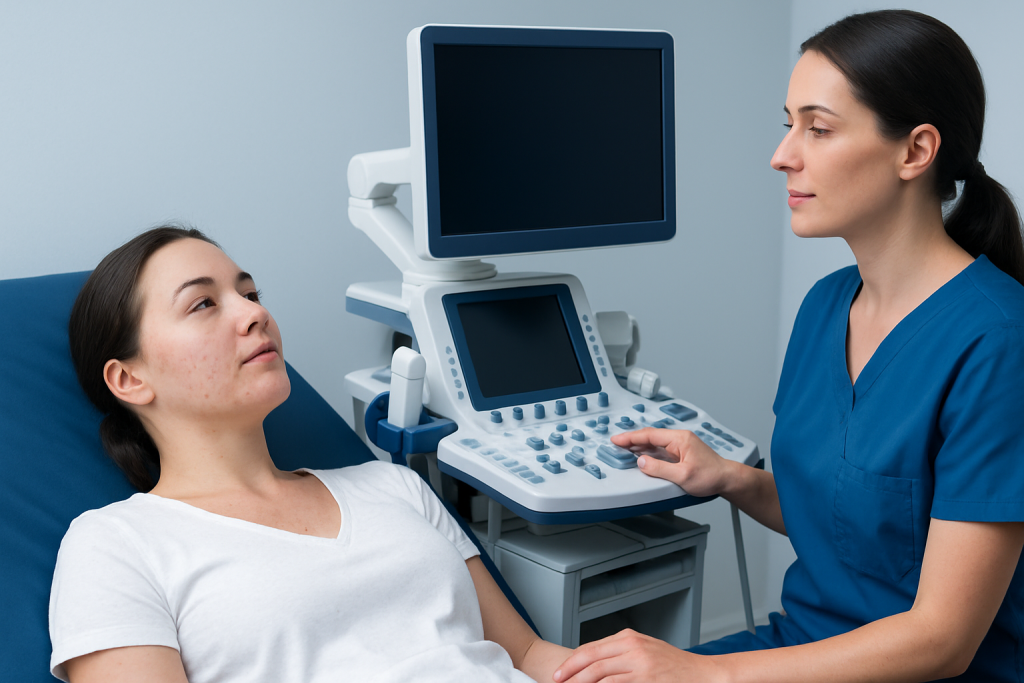
Androgens are hormones that can increase oil production in the skin. When oil glands become overactive, pores may clog more easily, inflammation can build, and acne lesions may form. Spironolactone works by blocking androgen receptors and reducing the skin’s response to these hormones.
This effect is why the medicine is often considered for acne that does not respond fully to topical therapies, or for acne that repeatedly worsens around the menstrual cycle. It is not designed to “dry out” the skin in the same way some other acne treatments do. Instead, it aims to lower one of the internal drivers behind persistent breakouts.
Because the response is gradual, people should not expect an overnight change. A clinician may suggest continuing other acne treatments, such as topical retinoids or benzoyl peroxide, especially early in the course. That combination approach can help while spironolactone begins to show its full effect.
Symptoms That May Suggest Hormonal Acne

There is no single symptom that proves acne is hormonal, but certain patterns make clinicians think about it. The breakouts may be deeper, tender bumps rather than mostly surface-level blackheads. They may also appear in a fairly consistent area, particularly the lower face.
People often notice that their acne flares in relation to menstrual cycles, stress, or changes in birth control. Some also describe oily skin, acne that persists into adulthood, or breakouts that have not improved much with standard over-the-counter care. These clues help a dermatologist decide whether spironolactone could be a reasonable option.
Common features that may prompt a discussion include:
- Chin or jawline breakouts
- Monthly or cyclical flares
- Painful, deep blemishes
- Adult-onset or long-lasting acne
- Acne that returns after temporary improvement
Causes & Risk Factors
Hormone sensitivity is the main reason spironolactone is considered for acne, but several factors can shape who benefits most. Acne can be influenced by genetics, stress, cosmetic products, certain medications, and underlying hormone conditions such as polycystic ovary syndrome (PCOS). A careful history helps sort out which factors may be playing a role.
Spironolactone is not usually the first choice for everyone with acne. Clinicians weigh possible benefits against safety considerations, especially in people with Kidney Disease Treatment" class="ahp-ilk">kidney disease, low blood pressure, or medications that affect potassium levels. For some patients, the medicine may be a poor fit if those risks are present.
It is also important to think about reproductive health. Spironolactone is generally avoided during pregnancy because of potential risk to a developing fetus, so reliable pregnancy prevention is often discussed when appropriate. This safety step is part of making sure the treatment remains both useful and responsible.
Diagnosis and Treatment Planning
Before spironolactone is prescribed, a clinician usually confirms that the acne pattern matches a type likely to respond to hormone-focused treatment. That starts with a physical examination and a conversation about when the acne began, where it appears, and what treatments have already been tried. In some cases, blood tests may be recommended to look at kidney function or potassium levels, depending on the person’s health background and other medications.
Diagnosis is not only about naming the acne; it is also about deciding whether spironolactone is the safest and most practical choice. A doctor may review menstrual history, signs of excess androgen activity, contraception needs, and any history of fainting, dehydration, or renal problems. If another condition such as PCOS seems possible, further evaluation may be suggested.
For patients traveling from abroad, this planning stage is especially important. A treatment team can explain what can be started in clinic, what monitoring is needed after departure, and how to arrange follow-up with a local physician if the person will continue care elsewhere. That continuity makes the process smoother and safer.
Treatment Options
Spironolactone is usually one part of a larger acne plan rather than a stand-alone solution. Many clinicians combine it with topical treatments such as retinoids, benzoyl peroxide, or azelaic acid. This layered approach can address both the internal hormonal driver and the skin’s surface inflammation.
Some people also use hormonal contraception when appropriate, either for acne control or to help prevent pregnancy while taking spironolactone. Other acne medicines may be considered if spironolactone is not suitable, including oral antibiotics for limited periods or isotretinoin for severe cases. The right choice depends on acne severity, skin type, medical history, and patient preferences.
Possible side effects of spironolactone can include breast tenderness, menstrual irregularity, dizziness, fatigue, or increased urination. Not everyone experiences these effects, and many people tolerate the medicine well. Still, regular check-ins help a doctor decide whether the dose, timing, or accompanying treatments should be adjusted.
Because spironolactone can affect potassium balance, clinicians may recommend monitoring in some patients, especially those with additional health conditions or interacting medicines. This is one reason it should be used under medical supervision rather than as a self-directed acne remedy.
Prevention & Self-care
Good acne care while taking spironolactone still depends on simple, steady habits. A gentle cleanser, non-comedogenic moisturizer, and daily sunscreen can support the skin barrier and reduce irritation from other acne products. Harsh scrubbing usually does more harm than good.
People often do best when they treat acne as a long-term skin condition rather than a quick fix. Keeping track of flares, menstrual timing, product changes, and any new symptoms can help the care team refine the plan. If acne worsens after travel, sleep disruption, or stress, those patterns are worth mentioning at follow-up.
Helpful self-care steps may include:
- Using products labeled non-comedogenic
- Applying acne medicines exactly as directed
- Avoiding picking or squeezing lesions
- Sticking to follow-up appointments and lab checks if recommended
- Discussing pregnancy plans before changing treatment
For international patients, packing a clear medication list, keeping copies of prescriptions, and knowing where to seek follow-up care after returning home can make continuing treatment much easier.
When to See a Doctor
A dermatologist or primary care doctor should be consulted if acne is painful, persistent, scarring, or affecting confidence and daily life. It is especially useful to seek advice when breakouts follow a hormonal pattern or when over-the-counter products have not provided enough improvement.
Medical review is also important before starting spironolactone if there is kidney disease, low blood pressure, a history of electrolyte problems, or use of medicines that may raise potassium. People who are pregnant, trying to conceive, or unsure about contraception should discuss safety first.
After spironolactone is started, a clinician should be contacted if there are signs of severe dizziness, fainting, muscle weakness, palpitations, or unusual changes in urination. These symptoms do not automatically mean something serious is happening, but they deserve prompt attention. Acibadem Health Point’s multidisciplinary specialists and JCI-accredited hospitals diagnose and treat this condition for international patients, with attention to coordinated follow-up across borders.
Living With Acne While Treatment Builds
One of the hardest parts of acne care is patience. Spironolactone may take time to show its full benefit, and skin often improves in stages rather than in a straight line. That is normal and does not necessarily mean the treatment is failing.
During the early months, it can help to keep expectations realistic and stay in communication with the prescribing clinician. If dryness, irritation, or menstrual changes become bothersome, there may be ways to refine the regimen instead of stopping altogether. This is where an individualized plan matters more than any generic acne routine.
When acne treatment is chosen carefully, it can fit into a person’s life without taking over it. For many patients, the goal is not perfect skin; it is calmer skin, fewer painful flares, and a plan that feels medically sound and sustainable.
Frequently asked questions
How long does spironolactone take to work for acne?
Improvement is usually gradual, and many people need several weeks to a few months before noticing a meaningful change. A clinician may suggest continuing other acne treatments during that time so the skin is supported while spironolactone begins to work.
Is spironolactone only for women with acne?
It is used most often in women and in people whose acne appears hormone-related, but the decision is individualized. A doctor will consider the acne pattern, medical history, and whether the medicine is safe and appropriate for that person.
Can spironolactone replace topical acne treatments?
Sometimes it helps reduce the need for other medicines, but many patients still benefit from a topical routine. Dermatologists often use spironolactone together with treatments like retinoids or benzoyl peroxide for a more complete approach.
What side effects should be watched for?
Common side effects can include menstrual changes, breast tenderness, dizziness, fatigue, or more frequent urination. Less commonly, it may affect potassium levels, which is why some patients need lab monitoring.
Can someone become pregnant while taking spironolactone?
Pregnancy planning should be discussed before treatment begins, because spironolactone is generally avoided during pregnancy. If pregnancy is possible, a doctor can advise on safe contraception and on what to do if plans change.
Does spironolactone cause the acne to come back after stopping it?
Acne may return if the underlying hormonal tendency is still present, since the medicine helps control a driver of breakouts rather than curing the condition permanently. If treatment is stopped, a doctor can suggest the best way to transition and monitor the skin afterward.
References
- American Academy of Dermatology
- National Institute of Arthritis and Musculoskeletal and Skin Diseases
- U.S. Food and Drug Administration
- Mayo Clinic
This article is for general information only and is not a substitute for professional medical advice. Please consult a qualified doctor about your individual situation.