Is a Hair Transplant the Right Next Step After Thinning, Shedding, or Recession?

Key Takeaways
- A hair transplant works best when the pattern of hair loss is stable and the donor area is strong.
- Not all hair loss is suitable for surgery; some causes need medical treatment first.
- The cause of hair loss matters more than the amount of shedding alone.
- A specialist can assess scalp health, donor density, and realistic goals before recommending treatment.
- Recovery and long-term maintenance are part of the decision, not just the procedure itself.
Medically reviewed by the Acıbadem clinical team — June 13, 2026
Hair thinning, shedding, and a receding hairline can have several causes, and a hair transplant is not always the first or best step. A careful evaluation helps determine whether surgery, medical treatment, or another approach is most appropriate.
Overview
Hair loss can feel personal in a way that is hard to explain to others. For some people, it begins as extra strands in the shower drain. For others, it is a widening part, a receding hairline, or a patch that seems to appear almost overnight. Because the causes are different, the right next step is not always obvious.
A hair transplant may be a useful option when hair loss follows a predictable pattern and the donor hair at the back or sides of the scalp is healthy enough to move. In other situations, the better first step may be treating inflammation, correcting a nutritional or hormonal issue, or simply waiting to see whether shedding settles on its own. The decision is less about appearance alone and more about identifying what kind of hair loss is happening.
For international patients, this evaluation often starts before travel. Clear photos, a medical history review, and a consultation with a hair restoration specialist can help determine whether a procedure is likely to be worthwhile or whether another treatment should come first.
Symptoms
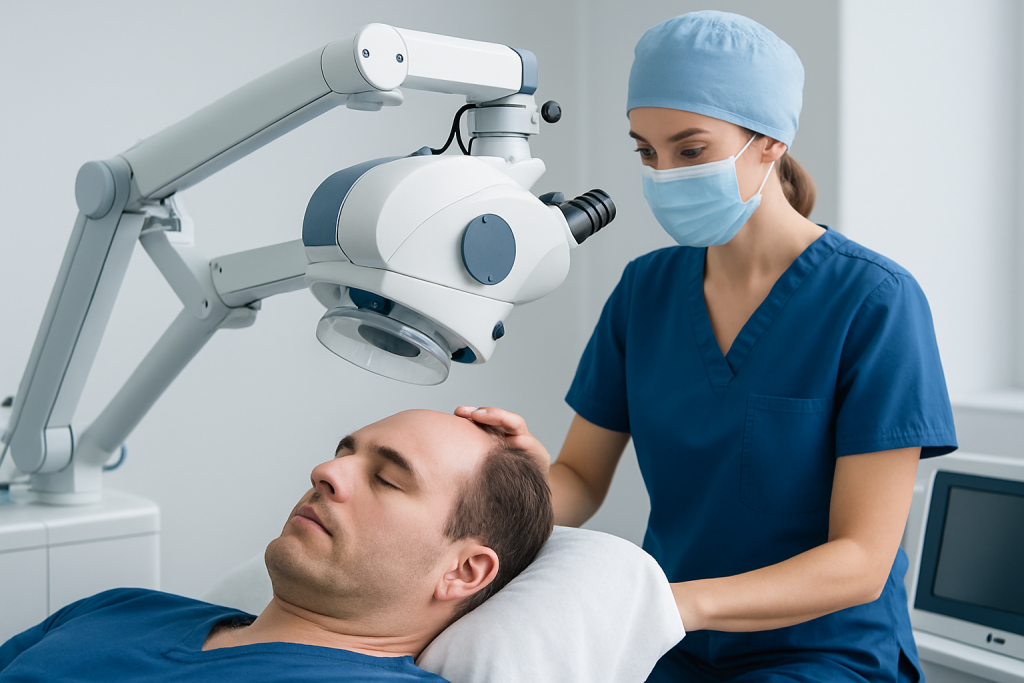
Hair loss does not always look the same from one person to another. Some people notice overall thinning, while others see distinct recession at the temples or crown. The timing also matters: gradual changes over years point to a different process than sudden shedding over weeks or months.
Common patterns that may be discussed during a consultation include:
- Gradual thinning at the crown or along the hairline
- A widening part line
- Noticeable shedding after illness, stress, childbirth, or a major life change
- Patchy loss in one or more areas of the scalp
- Itching, scaling, redness, tenderness, or burning of the scalp
These details help specialists tell the difference between pattern hair loss and conditions that need medical treatment first. A transplant is usually considered only after the type of hair loss is understood.
Causes & Risk Factors

Not every form of hair loss is suitable for surgery. Pattern hair loss, also called androgenetic alopecia, is one of the most common reasons people consider a transplant. In this condition, hair gradually becomes finer in a characteristic pattern while donor hair often remains more resistant to thinning.
Other causes may include telogen effluvium, which is often temporary shedding after illness, surgery, stress, childbirth, or rapid weight change; autoimmune conditions such as alopecia areata; scalp infections; traction from tight hairstyles; and scarring forms of hair loss. Some people also have hair shedding related to thyroid disease, iron deficiency, certain medications, or hormonal changes.
Risk factors for progressive hair loss may include family history, age, hormonal sensitivity, and ongoing scalp inflammation. A transplant is usually most helpful when the loss is stable enough that the moved follicles have a reliable place to grow and the surrounding hair pattern can be predicted over time.
Diagnosis
A good evaluation begins with the story behind the hair loss, not just the scalp itself. A clinician may ask when the thinning started, whether the shedding was sudden or gradual, and whether there has been illness, childbirth, medication use, or major stress. Family history can also provide useful clues.
During the examination, the doctor may inspect the scalp, look for signs of inflammation or scarring, and assess the density and quality of donor hair. In some cases, dermoscopy, blood tests, or a scalp biopsy may be recommended to identify a treatable cause. This is especially important when hair loss is patchy, rapidly changing, or associated with scalp symptoms.
For patients considering travel for treatment, it can be helpful to send a specialist a history, scalp photographs, and any prior test results before arranging an in-person visit. That approach can reduce unnecessary travel and help set realistic expectations about whether surgery is the right next step.
Treatment Options
A hair transplant is one option within a broader treatment plan. It generally involves moving healthy hair follicles from a donor area to areas affected by thinning or recession. The two commonly discussed approaches are follicular unit transplantation and follicular unit extraction, and the most suitable method depends on the pattern of loss, donor supply, and the patient’s goals.
However, surgery is not the answer for every type of hair loss. If shedding is due to an active medical problem, the priority is usually to address that condition first. Medical therapy, scalp treatment, or observation may be more appropriate when the pattern is still changing or when donor hair is limited. In some cases, a transplant may be combined with ongoing medical treatment to help protect existing hair.
Key factors that influence whether surgery makes sense include:
- Whether the hair loss pattern is stable or still evolving
- The quality and quantity of donor hair
- The presence of scarring or scalp disease
- The patient’s age and long-term expectations
- Whether enough non-surgical treatment has been tried or considered
A thoughtful consultation should cover not only what can be done now, but also what may be needed in the years ahead if hair loss continues.
Prevention & Self-care
While not all hair loss can be prevented, supportive habits can help protect existing hair and scalp health. Gentle hair care matters, especially when strands are already fragile. That usually means avoiding overly tight hairstyles, harsh chemical processing, and aggressive brushing or heat styling.
Nutrition, sleep, stress management, and treatment of underlying medical conditions also play a role in overall hair health. If a person suspects iron deficiency, thyroid imbalance, or another systemic issue, it is worth discussing this with a doctor rather than trying to self-diagnose. Scalp symptoms such as scaling, burning, or persistent irritation should also be assessed.
For those considering a transplant, preparation includes more than arranging the procedure date. It may involve stopping or adjusting certain products or medicines only under medical guidance, planning time off for recovery, and organizing follow-up care, especially for patients returning home after treatment.
When to See a Doctor
A medical evaluation is a good idea when hair loss is sudden, patchy, accompanied by scalp pain or inflammation, or happening alongside fatigue, weight changes, or other body-wide symptoms. It is also wise to seek advice if shedding continues for several months, if the hairline is changing quickly, or if the scalp shows signs of scarring.
People thinking about a hair transplant should see a qualified hair restoration specialist before deciding. The most useful consultations focus on diagnosis first, then the best treatment path. A transplant may be appropriate for some patients, but for others the safer and more effective choice is medication, monitoring, or treatment of an underlying condition.
International patients benefit from a clinic that can coordinate evaluation, procedure planning, and follow-up across time zones and travel schedules. Acibadem Health Point offers multidisciplinary specialists and JCI-accredited hospitals for diagnosing and treating hair loss in international patients, with care plans built around both medical needs and practical recovery.
Living With Hair Loss and Planning Ahead
Choosing a next step for hair loss is often a long-term decision, not a quick cosmetic one. People sometimes focus on the visible thinning and overlook the importance of stability, donor supply, and the cause of shedding. A hair transplant can be an effective solution in selected cases, but timing and diagnosis matter just as much as technique.
It can be helpful to think of the consultation as a planning session. The goal is to understand what hair is likely to do over the next several years, which areas can safely be restored, and whether a non-surgical approach should come first. That kind of planning is especially valuable for patients traveling from abroad, because it helps align expectations before the journey begins and supports better follow-up afterward.
With the right assessment, many people can move from uncertainty to a clear plan. For some, that plan includes surgery. For others, it begins with treating the reason the hair is shedding in the first place.
FAQs
References
- American Academy of Dermatology
- International Society of Hair Restoration Surgery
- Mayo Clinic
- British Association of Dermatologists
- National Institutes of Health
This article is for general information only and is not a substitute for professional medical advice. Please consult a qualified doctor about your individual situation.