Can You Fly Home After a Hair Transplant? The Discharge Questions That Matter

Key Takeaways
- Most patients can travel after a hair transplant, but the right timing depends on the technique used and the surgeon’s advice.
- The first few days after surgery are the most delicate, so protecting the grafts during travel is a priority.
- Questions about sleeping position, headwear, washing, medications, and follow-up access should be answered before leaving.
- Swelling, crusting, and mild discomfort are common early on and usually improve with proper aftercare.
- If there is heavy bleeding, fever, pus, severe pain, or sudden graft loss, medical advice should be sought promptly.
Medically reviewed by the Acıbadem clinical team — June 13, 2026
Flying home after a hair transplant is often possible, but the timing and aftercare details matter. A good discharge plan helps protect the grafts, reduce swelling, and make travel safer and more comfortable.
Overview
For many people considering a hair transplant abroad, the most practical question appears only after the procedure is done: can they fly home safely? The short answer is often yes, but not immediately for everyone. The safest travel plan depends on the transplant method, the extent of the procedure, how the scalp looks after surgery, and the surgeon’s specific discharge instructions.
Hair transplant recovery is not just about what happens in the clinic. It also includes the journey back to the airport, the flight itself, the first night at home, and the follow-up care that may be needed from another country. That is why discharge questions matter so much. Clear instructions can help protect newly placed grafts, reduce avoidable discomfort, and give the healing scalp the best chance to settle well.
International patients often need practical guidance that goes beyond a standard aftercare sheet. They may need to know how long to stay in the city, whether a companion is useful, how to manage swelling during travel, and when to arrange remote follow-up. A thoughtful discharge discussion makes those decisions easier and more confident.
Symptoms and the Normal Early Recovery Pattern
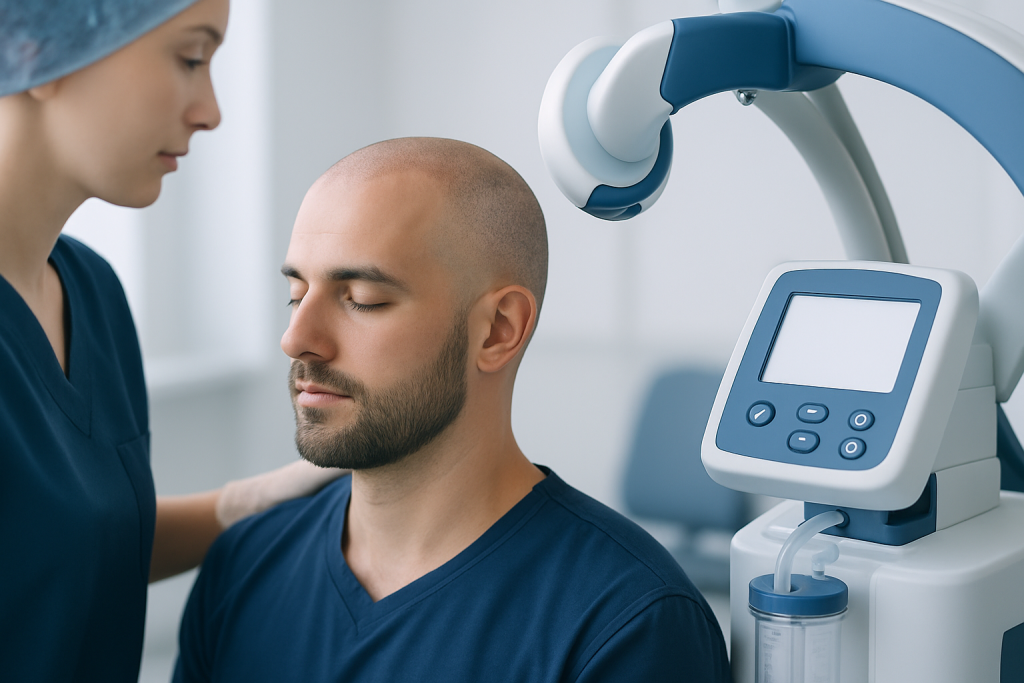
In the first several days after a hair transplant, the scalp usually looks and feels different from normal. Mild redness, tenderness, tightness, small crusts, and some swelling around the forehead or eyelids can all be part of expected healing. These changes are generally temporary and should gradually improve over the first week or two.
Patients may also notice small pinpoint scabs where grafts were placed. These are usually left alone so the new follicles can anchor naturally. It is common to feel cautious during this period because the grafts are still vulnerable to friction, pressure, and accidental rubbing.
Symptoms that should not be dismissed include increasing pain, spreading redness, fever, pus, or bleeding that does not stop with gentle pressure. These signs do not necessarily mean something serious, but they do deserve prompt medical review. Knowing the difference between expected recovery and warning signs helps patients travel with more confidence.
Causes and Risk Factors That Affect Whether Flying Is Comfortable or Safe

Whether a patient can fly home soon after surgery depends on a few practical factors. The method used matters: some procedures involve many tiny grafts and can leave the scalp more sensitive to touch, while the donor area may also feel sore or tight. The length of the trip matters too, because long flights can make swelling, dryness, and fatigue more noticeable.
Individual health factors also play a role. People with bleeding tendencies, uncontrolled blood pressure, diabetes, poor wound healing, or a history of keloid scarring may need closer guidance. The surgeon will also consider whether the patient can rest properly, follow washing instructions, and avoid accidental trauma during the journey home.
Travel itself adds small but important risks. Carrying luggage, leaning against a seat, sleeping awkwardly, or using tight hats too early can disturb healing grafts. Even a well-planned flight can become uncomfortable if the patient has not received specific instructions about head position, hydration, or the timing of medications.
Diagnosis and the Pre-Discharge Check
There is no special test that decides when a patient may fly after a hair transplant. Instead, the surgeon or clinical team reviews the scalp, confirms that bleeding is controlled, and checks that the patient understands the aftercare plan. This is often the most important stage of the process because it translates the procedure into safe travel instructions.
Before discharge, patients are usually shown how the grafted area should be handled, when they can start washing, how to sleep, and which medications or sprays have been prescribed. They may also receive photographs or written guidance so they can compare their healing progress at home. For international patients, it is helpful to confirm how the clinic handles questions after departure.
Good discharge planning often includes a review of the travel schedule. The team may advise on the best time of day to fly, whether to avoid direct sun or heavy physical activity, and how soon a follow-up check should happen. These conversations make the transition from clinic to airport much smoother.
Treatment Options and Immediate Post-Op Care
After a hair transplant, treatment is usually focused on protecting the grafts and keeping the scalp clean and calm. The clinic may recommend prescribed or over-the-counter pain relief, a saline spray, a gentle cleansing routine, or an antibiotic or anti-inflammatory medicine when appropriate. The exact plan depends on the procedure and the patient’s medical background.
Patients are generally advised to avoid touching, scratching, or picking at the grafts. They may also be asked to sleep with the head elevated for a period of time to help reduce swelling. If a flight is planned, the clinic may suggest that the patient keep their head supported, avoid crowding around the scalp, and store any prescribed care items in carry-on luggage.
In some cases, a short delay before flying is preferred. That may be especially true if there is active swelling, oozing, significant discomfort, or a need for the patient to return the next day for a final review. The safest approach is the one that protects the scalp while still fitting the travel plan realistically.
Prevention and Self-care for the Flight Home
Traveling after a hair transplant is usually easier when the patient prepares with the same care they used to book the procedure itself. A loose, clean travel outfit can reduce friction. A seat that allows the head to rest without pressing against the grafted area is helpful, and patients should avoid anything that compresses the scalp unless the surgeon has specifically approved it.
Hydration, light meals, and reasonable rest can make the journey more comfortable. Many patients do better if they avoid alcohol and unnecessary exertion on travel day. It is also wise to keep the clinic’s written instructions, any medication, and emergency contact details in the hand luggage rather than in checked bags.
- Ask when it is safe to fly, not just whether flying is allowed.
- Clarify how to sleep on the plane and at home during the first nights.
- Confirm whether a hat, scarf, or neck pillow is appropriate.
- Find out when to wash the scalp and how to dry it gently.
- Arrange a way to contact the clinic after returning home.
For patients traveling internationally, it helps to plan the recovery schedule backward from the flight. If a clinic suggests an extra day or two before departure, that time can be used for a checkup, a wash session, or simply reducing the stress of same-day travel. Acibadem Health Point’s multidisciplinary specialists and JCI-accredited hospitals also diagnose and treat hair transplant patients for international visitors, which can be useful when follow-up must be organized across borders.
When to See a Doctor
Most early recovery concerns after a hair transplant are minor and temporary, but some symptoms call for medical attention. A doctor should be contacted if there is persistent bleeding, rapidly increasing swelling, fever, foul-smelling discharge, or severe pain that does not ease with the recommended measures. Sudden loss of many grafts, especially after trauma, should also be assessed.
Patients should not wait for the next scheduled visit if they are worried about infection, an allergic reaction, or a problem with the donor area. Even if the patient has already flown home, many clinics can review photographs or symptoms remotely and advise on the next step. Quick communication often prevents small issues from becoming larger ones.
If uncertainty remains about whether the scalp is ready for travel, the safest approach is to ask before leaving the clinic. A short delay may be easier than dealing with unnecessary strain on healing grafts after reaching another country. In hair restoration, careful timing is part of good care.
What Patients Should Ask Before Leaving the Clinic
The discharge conversation should answer more than just “when can I fly?” It should also explain what to do if the scalp bleeds, how to wash the hair, whether a companion is needed, and which symptoms can be managed at home. Patients benefit from asking direct, practical questions while still in the clinic and before they pass through the airport.
It can help to ask for clear guidance on sleeping position, sun protection, showering, and how soon normal work or exercise can resume. Patients should also confirm whether they need a local doctor at home for any follow-up steps, especially if they are traveling far and may not return soon. The more specific the instructions, the easier the recovery.
For many international patients, the right discharge plan is what turns a stressful trip into an organized one. A hair transplant is a medical procedure as well as a cosmetic one, and the aftercare deserves the same attention as the surgery itself.
Recovery Expectations After Returning Home
Once the patient is home, recovery usually continues in stages. The first week is commonly about protecting the grafts and managing swelling or crusting. Over the following weeks, shedding of some transplanted hair can happen before new growth begins later on, which is a normal part of the process and not usually a sign that the transplant failed.
Patients should follow the clinic’s plan for washing, activity, and any scheduled follow-up. It is helpful to take periodic photos in good light so the healing pattern can be reviewed over time. If the clinic offers remote support, those updates can make communication much easier.
Hair restoration recovery rewards patience. The trip home is only one part of the process, and good self-care in the first days often supports a smoother long-term result.
Frequently asked questions
Can a patient fly home the day after a hair transplant?
Sometimes, but not always. The decision depends on the surgeon’s assessment, the technique used, and whether the scalp is stable enough for travel. Many clinics prefer patients to stay at least until they receive clear discharge instructions and a final check.
Why is the first few days after a hair transplant so important?
Newly placed grafts need time to settle into the scalp. During this period, pressure, rubbing, and accidental trauma can disturb healing, so travel plans should be designed to protect the grafts as much as possible.
Is swelling on the forehead normal after a hair transplant?
Mild swelling is common in the early recovery period and often improves on its own. The surgeon may give instructions such as sleeping with the head elevated or using recommended care measures to help reduce it.
Can a patient wear a hat on the flight home?
This depends on the surgeon’s advice and the type of headwear. A tight hat can rub the grafts, so patients should only wear something if the clinic says it is safe and if it fits loosely without pressure on the treated area.
What should an international patient ask before leaving the clinic?
They should ask when it is safe to fly, how to sleep, when to wash the scalp, what symptoms require help, and how to contact the clinic after returning home. These practical details are often as important as the surgery itself.
When should a patient seek medical help after returning home?
Medical advice should be sought if there is heavy bleeding, fever, pus, worsening redness, or severe pain. Any sudden concern about graft loss or infection should be reviewed promptly, even if the patient is already back in another country.
References
- American Academy of Dermatology
- International Society of Hair Restoration Surgery
- Mayo Clinic
- NHS
- World Health Organization
This article is for general information only and is not a substitute for professional medical advice. Please consult a qualified doctor about your individual situation.