Hypercorticism: Symptoms, Causes and Treatment

Key Takeaways
- Hypercorticism means the body is exposed to too much cortisol, either from an internal cause or from steroid medicines.
- Symptoms often develop gradually and may include weight gain around the trunk, facial rounding, thin skin, muscle weakness, and mood changes.
- Because several conditions can look similar, doctors use hormone tests and imaging to find the source of cortisol excess.
- Treatment depends on the cause and may include adjusting steroid therapy, surgery, medication, or careful monitoring.
- After treatment, recovery can take time, and follow-up is important for hormone balance, bone health, and overall wellbeing.
Medically reviewed by the Acıbadem clinical team — August 19, 2026
Hypercorticism, also called cortisol excess, can affect how the body stores fat, handles blood sugar, and maintains muscle, skin, mood, and blood pressure. Recognizing the symptoms early helps patients seek the right endocrine evaluation and treatment.
Overview
Hypercorticism is the medical term for a state in which the body is exposed to too much cortisol for too long. Cortisol is a hormone made by the adrenal glands that helps the body respond to stress, regulate metabolism, support blood pressure, and maintain steady energy. In healthy amounts, it is essential. When levels stay high, the body’s usual balance begins to shift in noticeable ways.
The symptoms of hypercorticism often appear slowly, which is one reason the condition can be easy to overlook at first. A person may notice changes in weight, skin, energy, mood, or muscle strength and assume they are due to stress, aging, or another everyday cause. In reality, these changes can be clues that hormone levels need to be checked by an endocrinology specialist.
Hypercorticism may come from the body making too much cortisol on its own or from taking corticosteroid medicines for a long period. The treatment path is different in each case, so identifying the cause matters as much as recognizing the symptoms. For people traveling from another country, the first visit usually begins with a detailed history of medications, prior tests, and any scans already performed.
Symptoms
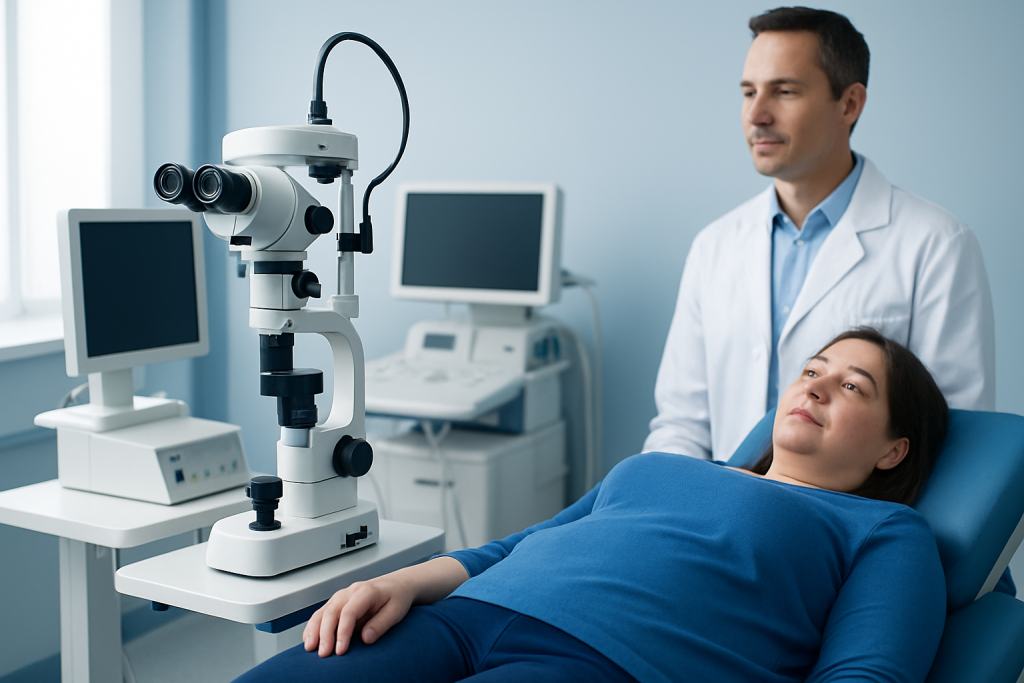
The classic symptoms of hypercorticism are broad and can affect several body systems at once. Some changes are visible, while others are felt in daily energy, strength, and mood. Not every person develops the same pattern, but the following features are common enough to raise suspicion.
- Weight gain, especially around the abdomen, chest, face, or upper back
- A rounder or fuller face, sometimes called “moon face”
- Fatigue or reduced stamina
- Muscle weakness, particularly in the arms and legs
- Thin, fragile skin that bruises easily
- Purple or pink stretch marks, often on the abdomen, thighs, or arms
- Acne or oily skin
- Slow wound healing
Some people also notice changes in mood or thinking. Irritability, anxiety, low mood, trouble sleeping, and difficulty concentrating may all occur. In children and teenagers, slowed growth can be an important clue, even when weight continues to increase.
Other symptoms may include high blood pressure, elevated blood sugar, menstrual changes, reduced sex drive, or bone pain related to weakened bones. Because these signs can overlap with many other health problems, symptoms alone cannot confirm the diagnosis. They do, however, provide an important reason to seek medical evaluation sooner rather than later.
Causes & Risk Factors

Hypercorticism has two main sources. One is exogenous exposure, which means cortisol-like medicines are being taken from outside the body, usually as corticosteroids for asthma, autoimmune disease, skin conditions, or other inflammatory disorders. The other is endogenous cortisol excess, where the body itself produces too much cortisol.
Endogenous causes may include a pituitary tumor that drives the adrenal glands to overproduce cortisol, an adrenal gland tumor, or less commonly tumors elsewhere in the body that make hormones affecting cortisol production. Risk is also higher in people who have used steroid medication for a long time, especially when the body has had little chance to taper the dose under medical supervision.
Because cortisol affects many systems, the symptoms may be mistaken for metabolic syndrome, depression, or nonspecific weight-related concerns. That is why a careful review of medicine use, past illnesses, and timing of symptom changes is so important. Patients arriving for treatment from abroad often benefit from bringing a medication list, imaging reports, and prior lab results so the specialist can avoid repeating unnecessary tests.
Diagnosis
Diagnosis usually starts with a conversation and physical examination. An endocrinologist will ask when symptoms began, whether steroid medicines have been used, and whether there have been changes in weight, blood pressure, sleep, or menstrual cycles. The pattern of signs can help determine whether cortisol excess is likely and what type of testing should come next.
Common hormone tests may include late-night salivary cortisol, 24-hour urine cortisol, or overnight dexamethasone suppression testing. These help show whether the body is producing cortisol in an abnormal way. If results suggest hypercorticism, additional blood tests and imaging studies may be used to find the source, such as the pituitary gland or adrenal glands.
Doctors may also check blood sugar, electrolytes, bone health, and blood pressure because these areas are often affected. In some cases, repeated testing is needed, since cortisol levels can fluctuate. A complete and organized evaluation is particularly useful for international patients who may already have outside scans or laboratory work, because it can shorten the path to a clear diagnosis.
Treatment Options
Treatment depends entirely on the cause of hypercorticism. If steroid medicine is responsible, the prescribing doctor may adjust the dose gradually or switch to a different treatment when possible. This should never be done suddenly without medical guidance, because the body may need time to recover its own cortisol production.
When the cause is a tumor, treatment may involve surgery, medication, radiation therapy, or a combination of these approaches. Pituitary-related disease and adrenal disease are managed differently, so an exact diagnosis is essential before planning treatment. Some patients also need medicines that help control cortisol production while waiting for definitive treatment or during recovery.
Supportive care can be just as important as treating the source. Blood pressure, blood sugar, mood, bone density, and infection risk may all need attention. After treatment, the body may take time to rebalance, and follow-up visits help physicians monitor symptoms as cortisol levels normalize. For people receiving care away from home, the recovery plan should include clear instructions for medication use, laboratory monitoring, and local follow-up once they return home.
Prevention & Self-care
Not every case of hypercorticism can be prevented, especially when it is caused by an internal hormone-producing tumor. Still, some steps can lower risk or help catch the condition earlier. One of the most important is using corticosteroid medicines exactly as prescribed and keeping every doctor informed about current and past steroid use.
Self-care also focuses on protecting the body while treatment is being arranged or completed. Patients are often advised to pay attention to blood pressure, blood sugar, sleep, mood, and signs of infection. A balanced diet, gentle physical activity as tolerated, and adequate rest can support recovery, although these habits do not replace medical treatment.
- Keep an up-to-date list of all medicines, including inhalers, creams, injections, and tablets.
- Do not stop long-term steroid treatment on your own.
- Report new bruising, weakness, or rapid body changes to a doctor.
- Follow bone-health advice if your clinician recommends it.
- Arrange a follow-up plan before traveling home after treatment.
People who have been treated abroad may also benefit from a written summary of their diagnosis, procedures, pathology results, and follow-up recommendations. That makes it easier for local clinicians to continue care smoothly and safely.
When to See a Doctor
A medical appointment is worthwhile when several symptoms of hypercorticism appear together, especially if they are new, progressive, or hard to explain. Round facial changes, central weight gain, thin skin, repeated bruising, muscle weakness, and high blood pressure are especially important clues. Children with slowed growth and increasing weight should also be assessed promptly.
Anyone taking corticosteroid medicines who notices major body changes should discuss them with the prescribing clinician. The same is true for people who have diabetes, osteoporosis, or difficult-to-control blood pressure and begin to develop features that suggest cortisol excess. Early assessment can prevent complications and make treatment easier to plan.
Urgent care is not usually needed for gradual symptoms alone, but timely specialist review is still valuable. Acibadem Health Point’s multidisciplinary specialists and JCI-accredited hospitals diagnose and treat hypercorticism for international patients, including those who need coordinated endocrine testing, imaging, and follow-up planning across borders.
Living With the Condition
Living with hypercorticism can feel overwhelming at first because the symptoms may affect appearance, strength, energy, and mood all at once. Many patients find it helpful to focus on one step at a time: confirming the diagnosis, identifying the cause, and then following the treatment plan. As the hormone balance improves, some changes reverse quickly, while others take longer to settle.
Recovery is often a gradual process rather than a single moment. Sleep may improve, skin may become less fragile, and energy may slowly return, but it can take regular follow-up to adjust medications and monitor bone, blood pressure, and blood sugar health. A clear recovery plan is especially useful for patients who are returning to another country, since it supports continuity with local doctors and reduces uncertainty after travel.
Frequently asked questions
Is hypercorticism the same as Cushing syndrome?
The terms are closely related. Hypercorticism refers to too much cortisol in the body, while Cushing syndrome is commonly used for the collection of symptoms caused by that cortisol excess. Doctors may use both terms depending on the context.
Can steroid medicines cause the same symptoms as internal cortisol overproduction?
Yes. Long-term corticosteroid use can produce many of the same visible and metabolic changes as the body’s own cortisol excess. That is why medication history is a key part of diagnosis.
What symptom should make someone seek an endocrinology evaluation?
No single symptom proves hypercorticism, but a combination such as central weight gain, easy bruising, muscle weakness, and a round face is worth checking. Symptoms that develop gradually over months are especially important to mention to a doctor.
How is the source of cortisol excess found?
Doctors usually start with hormone testing to confirm that cortisol regulation is abnormal. If the tests are positive, imaging and additional hormone studies help identify whether the source is in the pituitary, adrenal glands, or elsewhere.
Can hypercorticism be treated successfully?
Many cases can be treated once the source is identified. The approach may involve adjusting steroid medicines, surgery, medication, or other targeted care, along with follow-up for blood pressure, blood sugar, and bone health.
What should an international patient bring to a consultation?
It helps to bring a list of all medicines, prior lab results, imaging reports, and any notes from previous doctors. This gives the specialist a clearer starting point and may shorten the time needed to plan care.
References
- National Institute of Diabetes and Digestive and Kidney Diseases
- Endocrine Society
- Mayo Clinic
- Cleveland Clinic
- MedlinePlus
This article is for general information only and is not a substitute for professional medical advice. Please consult a qualified doctor about your individual situation.
Explore treatments in Turkey — costs, top hospitals & a free quote
JCI-accredited · board-certified surgeons · reply within 24h
Add us as a Preferred Source to see more of our trusted health content across Google Search, AI Overviews and Discover.