

How To Get Rid Of Face Fat

Key Takeaways
- There is no reliable way to lose fat from only one area of the body, including the face.
- Facial puffiness can come from weight gain, salt intake, alcohol, allergies, sleep issues, or hormone-related conditions.
- Healthy weight loss, better sleep, hydration, and lower sodium intake may gradually change facial appearance.
- Sudden swelling, pain, or one-sided facial changes should be assessed by a clinician.
- If facial fullness is distressing despite healthy habits, a doctor can help rule out medical causes and discuss options.
Facial fullness can reflect overall body fat, fluid retention, genetics, sleep, or medication effects rather than one single cause. The safest approach is to understand what is driving the change and choose realistic, medically sound steps that support overall health.
Overview
When people ask how to get rid of face fat, they are often describing a face that looks rounder, puffier, or less defined than it used to. In many cases, the change is part of overall weight gain or natural variation in facial shape. In others, it is not fat at all, but temporary fluid retention or swelling.
The key point is simple: the face cannot be “spot reduced” on its own. Fat loss tends to happen throughout the body in a pattern influenced by genetics, hormones, age, and overall body composition. That is why the most dependable path is to identify the cause of facial fullness first, then choose the safest strategy from there.
For someone planning care from another country, this question often comes up before travel or after returning home from a procedure or major life change. A careful medical review can help distinguish normal facial shape from a new symptom that deserves evaluation, which is especially useful when follow-up is being coordinated remotely.
What Facial Fullness Can Mean
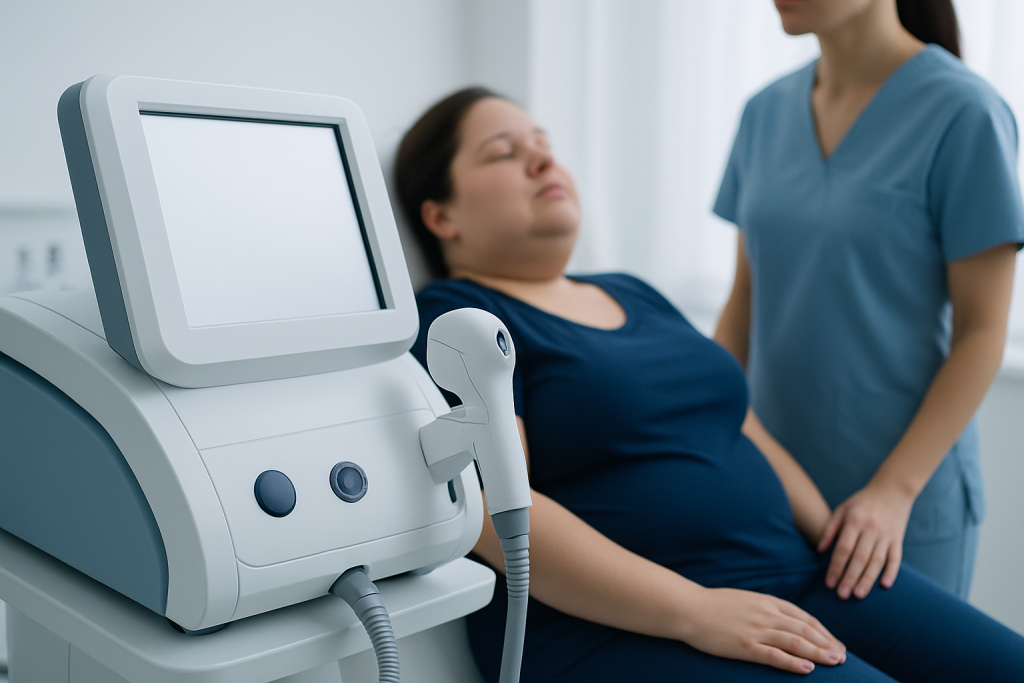
Facial fullness does not always mean excess fat. Some people notice puffiness in the morning that improves later in the day, which often points to fluid shifts rather than permanent tissue change. Others have a naturally softer jawline or fuller cheeks because of genetics and bone structure.
Several everyday factors can make the face look rounder:
- Higher body weight or recent weight gain
- High sodium intake or dehydration
- Poor sleep or sleeping position
- Alcohol use
- Allergies or sinus congestion
- Certain medicines, including some steroids
Medical conditions can also play a role, including thyroid disorders, kidney problems, hormonal imbalances, and Cushing syndrome. Because the face is so visible, even a small change can feel dramatic, but the underlying cause may be mild and manageable.
Causes & Risk Factors

The most common reason for a fuller face is overall body fat. When the body stores more fat, the cheeks, jawline, and under-chin area may become less defined. Genetics also matter: some people naturally carry more volume in the face even at a healthy weight.
Fluid retention is another frequent explanation. Salty meals, alcohol, long travel, not drinking enough water, and disrupted sleep can all lead to temporary puffiness. Hormonal changes, such as those seen with certain endocrine conditions, may make this effect more noticeable.
Less commonly, facial swelling can be linked to infection, inflammation, dental issues, medication side effects, or systemic disease. Risk is higher when facial changes are new, one-sided, painful, or accompanied by symptoms such as fever, shortness of breath, or swelling in the legs.
Diagnosis
There is no single test for “face fat.” A clinician usually starts by asking when the change began, whether it is steady or fluctuating, and whether there are other symptoms such as weight change, fatigue, rash, or swelling elsewhere in the body. A physical examination can often help separate fat from fluid retention or localized swelling.
If a medical cause is suspected, the doctor may recommend blood tests to check thyroid function, kidney function, blood sugar, or hormone levels. In some cases, allergy evaluation, imaging, or dental assessment may be appropriate. The goal is not to overtest, but to make sure a treatable cause is not missed.
For international patients, diagnosis may also involve reviewing previous records, medication lists, and recent procedures or travel history. Clear photos taken over time can be useful, especially when the concern is about subtle changes that are hard to judge in a single appointment.
Treatment Options
When facial fullness comes from overall weight gain, gradual whole-body weight loss is the main evidence-based approach. That usually means a sustainable eating pattern, regular physical activity, and enough sleep rather than extreme dieting. As body fat decreases, the face often becomes slimmer as part of the broader change.
If the problem is puffiness rather than fat, treatment targets the trigger. Reducing sodium, limiting alcohol, improving hydration, and managing allergies or sinus symptoms may help. When a medication is contributing, a doctor may be able to adjust the plan safely.
Some people ask about cosmetic procedures for a slimmer face. Options may exist, but they are only appropriate after a proper assessment and realistic discussion of risks, recovery, and whether the appearance is driven by fat, swelling, or anatomy. A qualified specialist can explain whether non-surgical or surgical treatment is suitable, especially if the person is considering care while traveling.
Prevention & Self-care
A face that looks less puffy usually responds best to steady habits. A balanced diet, moderate salt intake, consistent sleep, and regular movement support both overall health and facial appearance. These steps are not quick fixes, but they are the most reliable long-term approach.
Helpful self-care measures include:
- Choose mostly minimally processed foods
- Drink fluids regularly through the day
- Limit alcohol if puffiness is a concern
- Get enough sleep and keep a regular schedule
- Manage seasonal allergies or sinus symptoms
- Track weight changes over time rather than day to day
It also helps to avoid crash diets. Rapid weight loss can be hard to maintain and may leave the person feeling unwell. A healthier goal is gradual progress that supports energy, mood, and long-term results.
When To See a Doctor
A doctor should be consulted if facial fullness appears suddenly, is only on one side, or comes with pain, redness, fever, vision changes, or trouble breathing. These signs suggest that the issue may be swelling rather than simple facial fat and should be evaluated promptly.
Medical advice is also worthwhile if the face looks persistently puffy despite healthy habits, or if the change is happening alongside fatigue, weight gain, cold intolerance, or other body-wide symptoms. Those patterns can point to a hormonal or metabolic cause that deserves attention.
For people arranging care across borders, it is reasonable to seek a review before traveling for treatment, so the cause is clear and the recovery plan is realistic. Acibadem Health Point’s multidisciplinary specialists and JCI-accredited hospitals diagnose and treat this condition for international patients as part of coordinated medical care.
Living With Facial Changes
Facial shape is deeply tied to self-image, so even modest changes can feel personal. It may help to remember that the face naturally changes with age, hydration, sleep, and weight fluctuations. A single day of puffiness is not the same as a lasting problem.
People sometimes become discouraged when they try popular tips and do not see immediate results. That is understandable, but it is also why the most useful plan begins with the reason behind the change. Once the cause is clearer, the right approach is usually less frustrating and more effective.
When needed, a clinician can help separate cosmetic concern from a medical issue and suggest a plan that fits the person’s health, goals, and timeline. That reassurance can be especially valuable when someone is managing care from abroad and needs a practical path forward.
Frequently asked questions
Can face fat be lost without losing weight everywhere else?
In general, no. The body does not reliably burn fat from one location only, so changes in the face usually happen as part of overall weight loss. Genetics also influence where fat is stored and lost first.
Why does my face look puffier in the morning?
Morning puffiness is often related to fluid shifts, sleep position, salt intake, or dehydration rather than fat. If it improves later in the day, that pattern can be a clue that swelling is involved.
Do facial exercises help remove face fat?
Facial exercises may strengthen muscles, but they have not been shown to selectively reduce facial fat. A healthy lifestyle and addressing the underlying cause are more reliable approaches.
Can allergies make the face look fat?
Allergies can cause swelling or puffiness, which may look like added facial fullness. If symptoms include itching, congestion, or watery eyes, treating the allergy may help the appearance improve.
How long does it take to see changes in the face with weight loss?
That varies from person to person. Some notice changes early, while others see them later because the face may not be the first place where fat is lost.
Should someone be worried about a suddenly swollen face?
Sudden facial swelling should be checked by a doctor, especially if it is one-sided, painful, or linked to breathing problems. Those features suggest something other than ordinary face fat.
References
- World Health Organization
- National Institute of Diabetes and Digestive and Kidney Diseases
- Mayo Clinic
- Cleveland Clinic
- American Academy of Dermatology
This article is for general information only and is not a substitute for professional medical advice. Please consult a qualified doctor about your individual situation.
Explore treatments in Turkey — costs, top hospitals & a free quote
JCI-accredited · board-certified surgeons · reply within 24h
Add us as a Preferred Source to see more of our trusted health content across Google Search, AI Overviews and Discover.
More from the Health Library



Related Specialists

Dr. İlker Altundağ
Aesthetic Plastic & Reconstructive Surgery
Dr. Serkan Tokgönül
Aesthetic Plastic & Reconstructive Surgery
Dr. Ömercan Yağız Öksüz
Aesthetic Plastic & Reconstructive Surgery
Prof. Dr. Mehmet Veli Karaaltın
Aesthetic Plastic & Reconstructive Surgery