

Vampire Facial

Key Takeaways
- A vampire facial usually combines microneedling with platelet-rich plasma taken from the patient’s own blood.
- It may help improve skin texture, dullness, and the appearance of mild acne scars or fine lines.
- Results develop gradually, not instantly, and the skin typically needs some recovery time.
- Good skin assessment matters because not everyone is an ideal candidate for PRP-based facial procedures.
- Aftercare and sun protection are important for a calm recovery and better treatment response.
A vampire facial is a skin-rejuvenation treatment that combines microneedling with platelet-rich plasma (PRP) from the patient’s own blood. It is used to support a smoother, brighter-looking complexion and may help with texture, mild scarring, and early signs of aging when chosen for the right candidate.
Overview
A vampire facial is a non-surgical skin treatment that brings together two familiar techniques: microneedling and platelet-rich plasma, often called PRP. The term may sound dramatic, but the procedure is straightforward in concept. A clinician draws a small amount of blood, processes it to concentrate the platelet-rich portion, and then uses that plasma during or after microneedling to support skin renewal.
Patients usually explore this treatment when they want a refreshed appearance without surgery or long downtime. It is often discussed for uneven texture, early fine lines, enlarged pores, or the after-effects of acne. For international patients deciding whether to travel for aesthetic care, the appeal is often not only the treatment itself but also the chance to have a detailed skin assessment, a tailored plan, and follow-up guidance before returning home.
Although the name is widely used in popular media, the medical idea behind the procedure is based on the body’s own healing signals. Platelets contain growth factors that may support tissue repair, while microneedling creates controlled microchannels in the skin. Together, these steps are intended to encourage a smoother, more even skin surface over time.
Symptoms and Skin Concerns It May Address
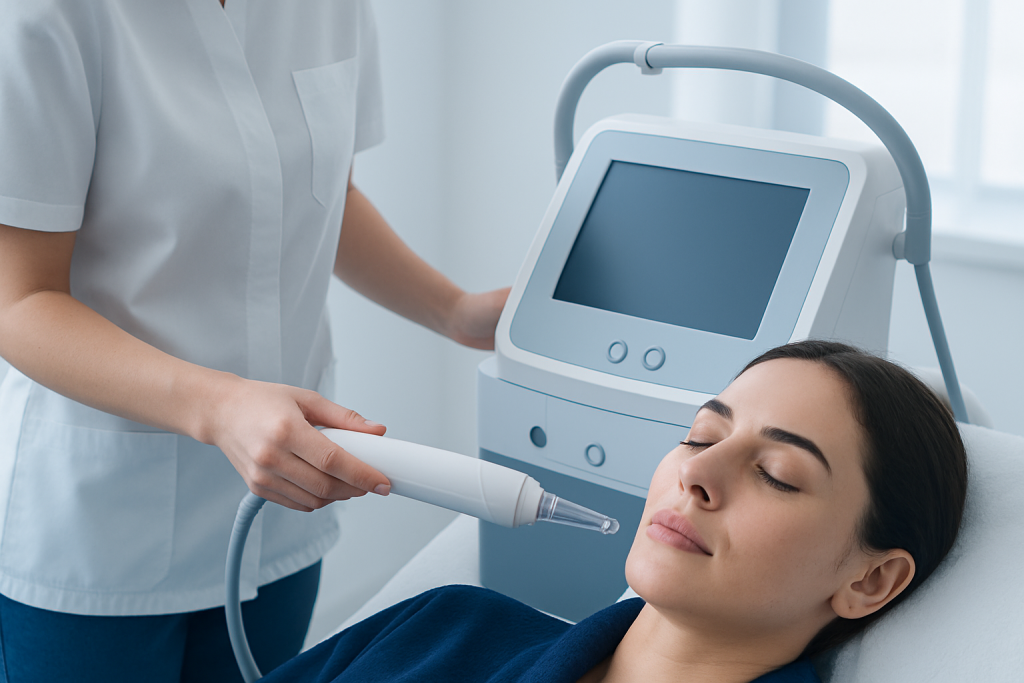
A vampire facial is not a cure for every skin concern, but it is commonly considered when the goal is subtle rejuvenation rather than a dramatic transformation. Many people seek it because their skin looks tired, feels rough, or has lost some of its natural firmness.
The treatment is often discussed for:
- Fine lines and early wrinkles
- Mild acne scarring or post-acne texture changes
- Uneven skin tone or dullness
- Enlarged-looking pores
- Skin that appears less elastic than before
It is important to keep expectations realistic. PRP-based facial treatments tend to work gradually and are usually best for mild to moderate concerns. People who are looking for major tightening, deep scar correction, or large-volume change may need a different procedure or a combination approach recommended by a dermatologist or aesthetic physician.
Causes & Risk Factors

The reasons someone considers a vampire facial are usually cosmetic rather than medical. Skin changes can result from natural aging, repeated sun exposure, past acne, stress, smoking, hormonal shifts, or simply genetics. Over time, the skin may become less even in tone and texture, which can make a person feel that their face looks less rested.
Not everyone responds to skin-rejuvenation procedures in the same way. Results may depend on age, skin quality, the depth of scarring, lifestyle habits, and how carefully the procedure is performed. A proper assessment matters because a treatment that works well for one person may be too aggressive or too modest for another.
Some people are not good candidates for PRP facial treatment. This may include individuals with certain blood disorders, active skin infections, uncontrolled medical problems, or those who are pregnant or breastfeeding, depending on the clinician’s advice and the local protocol. A careful medical history helps reduce avoidable risk and makes the plan safer and more personalized.
Diagnosis and Pre-Treatment Assessment
A vampire facial does not require a diagnosis in the traditional sense, but it does require a professional skin evaluation. The clinician usually examines the face, asks about skin goals, reviews medical history, and checks for anything that could interfere with healing or increase the chance of side effects.
Before treatment, it is helpful to discuss previous procedures, current skin care products, medications, allergies, and any tendency toward pigmentation changes or poor wound healing. People traveling from abroad may also need a clear timeline for the number of sessions, expected downtime, and follow-up arrangements so they can plan flights and social commitments sensibly.
In some clinics, photographs are taken before treatment to help track progress. This is useful because the changes are often gradual, and the skin may look better over weeks rather than days. A well-organized consultation also gives patients the chance to ask practical questions about recovery, aftercare, and when it is reasonable to resume make-up, exercise, or sun exposure.
Treatment Options
The most common version of the treatment combines microneedling with PRP. Microneedling uses tiny sterile needles to create controlled micro-injuries in the skin, which can stimulate a healing response. PRP is prepared from the patient’s own blood and applied to the skin or delivered in a way selected by the clinician.
Some clinics may offer related approaches such as microneedling alone, PRP without microneedling, or combination plans that include other dermatologic procedures. The best option depends on the skin concern, the individual’s tolerance for downtime, and the clinician’s judgment. For example, someone with very mild texture issues may need only a simple plan, while another person with acne scarring may do better with a staged approach over several sessions.
During the procedure, the face is usually cleaned and numbed with a topical anesthetic to improve comfort. The appointment may be relatively brief, but the exact process can vary from one clinic to another. Since quality and sterility matter greatly, patients should choose a setting that follows proper medical standards and uses experienced clinicians for blood handling and skin procedures.
Prevention & Self-care
There is no way to prevent every skin concern that leads someone to consider a vampire facial, but daily habits can support healthier skin and make results more durable. Consistent sunscreen use is one of the most valuable steps, because ultraviolet exposure can worsen dullness, lines, and uneven pigmentation.
Good self-care also includes gentle cleansing, a skin routine suited to the person’s skin type, adequate hydration, and avoiding smoking when possible. People with acne-prone skin often benefit from a dermatologist-guided plan so that active breakouts are controlled before they try a rejuvenation procedure.
After treatment, the skin may be sensitive for a short period. Typical aftercare advice may include avoiding harsh exfoliants, limiting direct sun, using gentle products, and postponing strenuous exercise for a short time if advised by the clinician. International patients should follow written aftercare instructions closely, especially if they will be flying soon after the procedure, because cabin air and travel fatigue can make the skin feel drier or more reactive.
Recovery, Results, and Possible Risks
Recovery after a vampire facial is usually manageable, but the skin commonly looks red and feels warm or tender for a few days. Some people notice mild swelling, tightness, or pinpoint marks where the needles entered the skin. These effects are generally temporary and part of the expected healing process.
Results do not appear overnight. Many patients notice that the skin gradually looks fresher, smoother, or more even after the initial redness settles, with continued improvement over time if additional sessions are recommended. The treatment is often performed as a series rather than a one-time event, depending on the individual’s goals.
As with any procedure that breaks the skin, there are potential risks. These can include infection, prolonged irritation, bruising, post-inflammatory pigmentation changes, and an unsatisfactory result if the treatment is not well matched to the person’s skin. Careful technique, sterile handling, and realistic expectations help reduce these concerns.
When to See a Doctor
A qualified dermatologist or aesthetic physician should evaluate persistent skin concerns before a patient books a vampire facial, especially if there is active acne, eczema, rosacea, a history of keloid scarring, or a condition that affects healing. A face-to-face or video consultation can clarify whether PRP-based treatment is appropriate or whether another option is safer and more effective.
After the procedure, medical advice should be sought if redness, swelling, or discomfort becomes worse instead of better, or if there are signs of infection such as increasing pain, pus, fever, or spreading warmth. Unexpected pigment changes or prolonged irritation also deserve review.
For patients traveling abroad, it is wise to choose a clinic that provides follow-up support and clear contact instructions. Acibadem Health Point’s multidisciplinary specialists and JCI-accredited hospitals can diagnose and treat this condition for international patients, with care planning that supports both treatment and recovery. A thoughtful consultation is the best starting point for deciding whether a vampire facial fits the individual’s skin goals.
Frequently asked questions
What is a vampire facial?
A vampire facial is a cosmetic skin procedure that typically combines microneedling with platelet-rich plasma, or PRP, made from the patient’s own blood. The goal is to encourage skin renewal and improve the look of texture, dullness, and mild scarring. Despite the name, it is a routine aesthetic treatment rather than a surgical procedure.
How long does recovery take?
Recovery is usually fairly short, but the skin may remain red and sensitive for a few days. Some people return to normal activities quickly, while others prefer to allow a little extra time before social events. The exact timeline depends on skin sensitivity and the intensity of the treatment.
Can a vampire facial help acne scars?
It may help with mild to moderate acne scarring, especially when texture is the main concern. Deep or longstanding scars often need a broader treatment plan, which may include other dermatologic procedures. A skin specialist can advise what level of improvement is realistic.
References
- American Academy of Dermatology
- Cleveland Clinic
- Mayo Clinic
- National Institute of Arthritis and Musculoskeletal and Skin Diseases
- U.S. Food and Drug Administration
This article is for general information only and is not a substitute for professional medical advice. Please consult a qualified doctor about your individual situation.
More from the Health Library



Related Specialists

Dr. Serkan Tokgönül
Aesthetic Plastic & Reconstructive Surgery
Dr. Ömercan Yağız Öksüz
Aesthetic Plastic & Reconstructive Surgery
Prof. Dr. Mehmet Veli Karaaltın
Aesthetic Plastic & Reconstructive Surgery
Dr. Nezail Demirciler
Plastic, Reconstructive and Aesthetic Surgery