Proctalgia Fugax

Key Takeaways
- Proctalgia fugax causes sudden, short-lived rectal pain that usually resolves on its own.
- The pain is often related to temporary muscle spasm in the pelvic floor or anal sphincter.
- Doctors diagnose it by reviewing symptoms and excluding other causes of rectal pain.
- Stress management, bowel regularity, and trigger tracking may help reduce episodes.
- New, persistent, severe, or bleeding-associated pain should always be assessed by a clinician.
Proctalgia fugax is a sudden, brief episode of rectal or anal pain that usually comes and goes without lasting harm. Although the pain can feel intense, it is often linked to temporary muscle spasm and is typically managed with reassurance, trigger awareness, and medical evaluation when symptoms change.
Overview
Proctalgia fugax is a type of functional anorectal pain. In simple terms, it means a person feels sudden pain around the rectum or anus, but no obvious structural problem explains the episode. The pain usually appears without warning, lasts a short time, and then fades completely.
People often describe the discomfort as sharp, cramping, stabbing, or spasm-like. Because it can be intense, it may be unsettling even when it is not dangerous. For many patients, the most important step is learning that the pattern of pain itself is characteristic and that a careful medical evaluation can rule out more serious causes.
For international patients considering care abroad, proctalgia fugax is usually evaluated in an outpatient setting. A gastroenterologist or colorectal specialist typically reviews the symptom pattern, checks for warning signs, and decides whether any tests are needed before recommending a management plan.
Symptoms
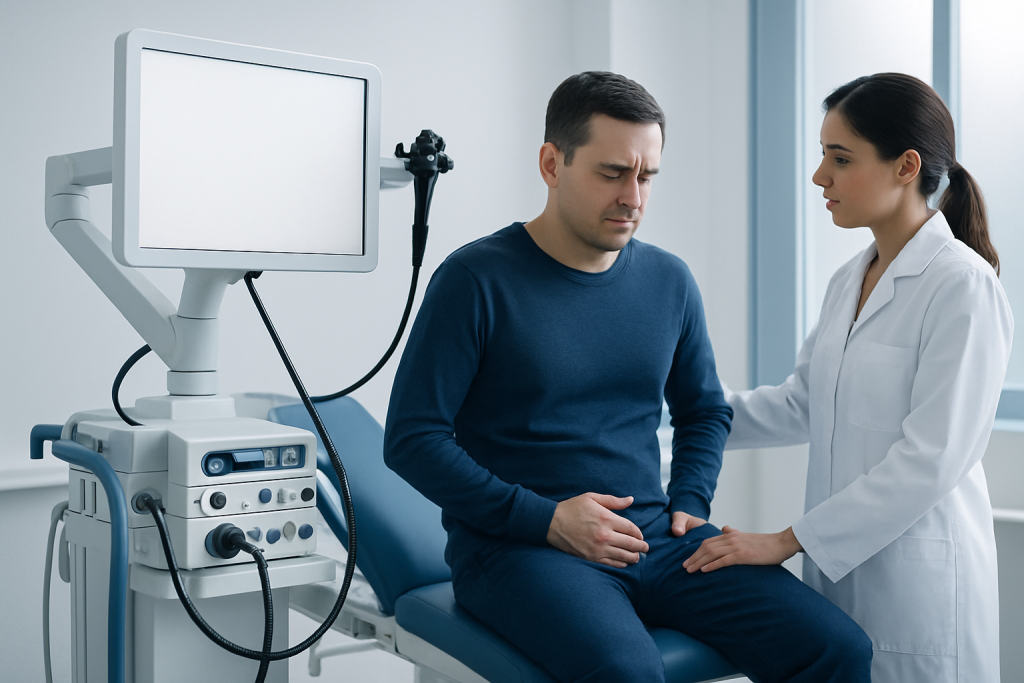
The hallmark of proctalgia fugax is sudden rectal or anal pain that comes on abruptly and ends just as quickly. Episodes are often brief, sometimes lasting only seconds or a few minutes, although they can feel longer to the person experiencing them. Between attacks, many people feel entirely well.
The pain may be localized high in the rectum or felt at the anal opening. Some people notice it at night, while others experience it during the day. It may happen rarely or recur in clusters, and the unpredictability can be as bothersome as the pain itself.
- Sudden, sharp rectal or anal pain
- Brief episodes with complete relief afterward
- No ongoing pain between attacks in many cases
- Possible nighttime awakening
- Occasional association with stress, bowel movements, or pelvic muscle tension
Proctalgia fugax does not usually cause fever, persistent bleeding, weight loss, or a change in bowel habits. If those features are present, another condition may be responsible and should be assessed promptly.
Causes & Risk Factors

The exact cause of proctalgia fugax is not always clear. One leading explanation is a brief spasm of the anal sphincter or the pelvic floor muscles. These muscles can tighten suddenly and then relax before the person has time to respond, which fits the short, cramp-like nature of the pain.
Several factors may make episodes more likely, although not everyone with proctalgia fugax notices a clear trigger. Stress and anxiety may increase muscle tension in some people. Constipation, straining, recent bowel irritation, or a history of pelvic floor dysfunction may also contribute.
It is helpful to think of triggers as clues rather than causes in every case. A person may have episodes after a stressful day, during sleep, or following a bowel movement, yet the condition can still occur without any obvious pattern. Tracking timing, diet, bowel habits, and stress levels can help a clinician identify possible contributors.
Proctalgia fugax can occur in adults of different ages and is not limited to one sex or lifestyle. Because it overlaps with other causes of anorectal pain, doctors often pay close attention to the full history rather than focusing on one symptom alone.
Diagnosis
Diagnosis begins with a detailed conversation about the pain pattern. Clinicians usually ask how long the episodes last, where the pain is felt, how severe it is, and whether there are symptoms such as bleeding, discharge, fever, or bowel changes. The short, sudden, self-limited nature of the pain is an important clue.
A physical examination may be done to check for tenderness, fissures, hemorrhoids, infection, inflammation, or other local problems. Depending on the history, the doctor may recommend additional tests to exclude other conditions such as anal fissure, abscess, inflammatory bowel disease, or nerve-related pain. Testing is not always needed, but it is considered when symptoms are atypical or warning signs are present.
For patients traveling internationally, it can be useful to bring a symptom diary, prior reports, and any imaging or laboratory results. Clear documentation often shortens the diagnostic path and helps specialists avoid repeating studies unnecessarily.
Because proctalgia fugax is diagnosed partly by excluding other problems, follow-up matters when the symptom pattern changes. New daily pain, pain that lasts longer than usual, or symptoms outside the usual pattern deserve a fresh assessment.
Treatment Options
Many people do not need aggressive treatment. Since attacks are brief, the first approach is often reassurance and practical measures aimed at reducing discomfort and preventing triggers. Knowing that the episodes are usually benign can itself lessen the fear that tends to amplify muscle tension.
Warm baths, gentle relaxation, and slow breathing may help some patients during an episode. If constipation is present, improving bowel regularity can reduce straining and may lower the chance of further spasms. Some clinicians may suggest pelvic floor techniques or other supportive strategies when muscle tension appears to be a pattern.
In selected cases, a doctor may discuss medications or other interventions if episodes are frequent or especially disruptive. Treatment choice depends on the individual’s symptoms, other medical conditions, and whether an alternative diagnosis has been ruled out. Because the condition is usually benign, management is often conservative and tailored to comfort rather than urgency.
When patients seek care abroad, treatment planning should consider follow-up after returning home. A specialist can help create a simple plan that includes what to do during an attack, which symptoms should prompt re-evaluation, and whether additional care is likely to be needed later.
Prevention & Self-care
There is no guaranteed way to prevent proctalgia fugax, but many people find that small daily habits make episodes less disruptive. Keeping stools soft and avoiding straining can be helpful, especially if constipation seems to be part of the picture. Regular hydration, fiber-rich foods, and sensible bowel habits may support this goal.
Stress reduction can also matter because the pelvic floor often responds to tension elsewhere in the body. Relaxation exercises, adequate sleep, and time for recovery after stressful periods may reduce muscle tightness for some people. A symptom diary can help identify patterns around meals, exercise, bowel movements, travel, or emotional stress.
- Avoid prolonged straining on the toilet
- Address constipation early with diet and lifestyle measures
- Use relaxation or breathing techniques if episodes seem stress-related
- Track timing, duration, and possible triggers
- Seek medical advice before trying new remedies if symptoms are recurring
Self-care should stay within safe bounds. Persistent or worsening pain is not something to manage indefinitely on one’s own, especially if the person is recovering from surgery, has a history of inflammatory bowel disease, or is noticing other changes in bowel function.
When to See a Doctor
Medical review is sensible when rectal pain is new, recurring, or hard to explain. Even though proctalgia fugax is often benign, similar symptoms can come from conditions that need different treatment. A clinician can help distinguish between a brief muscle spasm and a problem such as a fissure, infection, inflammation, or a mass.
Prompt evaluation is especially important if the pain lasts longer than usual, becomes more frequent, is accompanied by rectal bleeding, fever, drainage, unexplained weight loss, or a change in bowel habits, or if there is pain between episodes. These features do not automatically mean something serious, but they do warrant closer assessment.
Patients planning care while traveling should not delay evaluation simply because the discomfort seems to settle on its own. A clear diagnosis can prevent uncertainty later, and it can also guide whether follow-up should happen before departure, after arrival, or once the patient returns home. At Acibadem Health Point, multidisciplinary specialists and JCI-accredited hospitals diagnose and treat anorectal conditions for international patients with coordinated, patient-centered care.
Frequently asked questions
How is proctalgia fugax different from hemorrhoid pain?
Proctalgia fugax usually causes sudden, brief, cramp-like pain that resolves quickly, often without any ongoing symptoms afterward. Hemorrhoid discomfort is more often linked to itching, soreness, swelling, or bleeding, and it may persist longer. A clinician can help distinguish the two based on the symptom pattern and examination.
Can stress really trigger proctalgia fugax?
Stress does not cause every episode, but it may increase muscle tension in some people and make attacks more likely. Many patients notice a pattern around stressful periods or poor sleep. Relaxation strategies can be a useful part of self-care.
Do I need tests to confirm proctalgia fugax?
Not always. Doctors often diagnose it from the history when the episodes are brief and typical, while using an exam or tests only when other causes need to be excluded. Testing is more likely if symptoms are new, persistent, or accompanied by warning signs.
Can children get proctalgia fugax?
It is more commonly discussed in adults, but rectal pain in children should still be assessed by a doctor. Because children may describe pain differently, evaluation helps rule out constipation, fissures, or other causes. A pediatric specialist is the best starting point if a child has recurring symptoms.
What can I do during an attack?
Many episodes pass before any treatment is needed, but gentle breathing, sitting or lying still, and using warmth may help some people feel more comfortable. If attacks are frequent or severe, a doctor can suggest a more tailored approach. Any new or atypical pain should be medically reviewed.
Is proctalgia fugax dangerous?
It is usually not dangerous and often causes no lasting harm. The main challenge is the discomfort and uncertainty it creates. The important step is to make sure the symptom pattern truly fits proctalgia fugax and not another condition that needs treatment.
References
- Mayo Clinic
- Cleveland Clinic
- American Gastroenterological Association
- International Foundation for Gastrointestinal Disorders
- Merck Manual Professional Edition
This article is for general information only and is not a substitute for professional medical advice. Please consult a qualified doctor about your individual situation.