How Long Does It Take To Digest Food

Key Takeaways
- Digestion begins in the mouth and continues through the stomach and intestines before food is fully absorbed or eliminated.
- Light meals usually move through the digestive system faster than large, high-fat, or high-fiber meals.
- Age, hydration, stress, medications, and digestive conditions can all change how long digestion takes.
- Occasional bloating or fullness is common, but persistent pain, vomiting, weight loss, or bowel changes deserve medical evaluation.
- A balanced diet, regular movement, and good hydration can support healthy digestion.
Digestion is not a single event but a step-by-step process that can take hours to more than a day depending on the meal and the person. Understanding the normal timeline can help people notice when symptoms such as bloating, pain, or nausea may need medical attention.
Overview
Digestion starts the moment food enters the mouth, but it does not finish in one place or at one time. The body breaks food down in stages: chewing, stomach processing, nutrient absorption in the small intestine, and water reabsorption and waste formation in the large intestine. Because each stage works at its own pace, the question “How long does it take to digest food?” has no single answer.
For many people, the stomach empties a meal within a few hours, while the small intestine continues processing nutrients over several more hours. The remaining material may spend much longer in the large intestine before it is passed as stool. A light snack, a balanced meal, and a heavy fried dinner will not move through the body at the same speed.
For international patients planning travel or recovery abroad, this is useful to keep in mind. Changes in routine, different meal timing, jet lag, and unfamiliar foods can all affect digestive comfort. Knowing what is typical can help people judge whether a sensation of fullness is expected or whether it should be checked by a doctor.
What digestion looks like step by step
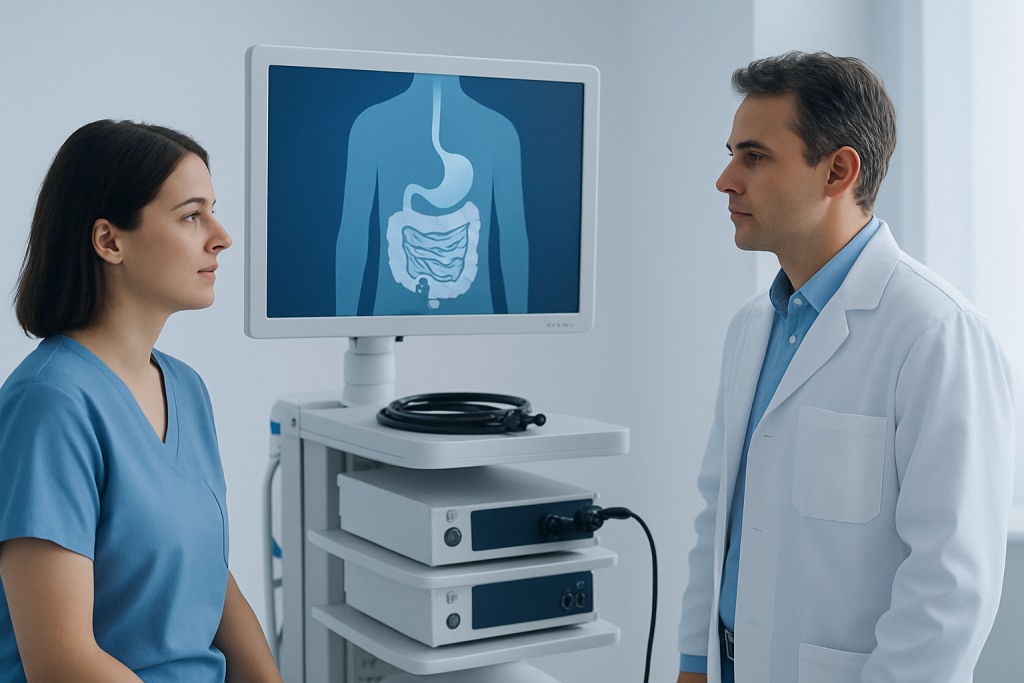
In the mouth, saliva begins to soften food and start the breakdown of certain carbohydrates. Chewing matters more than many people realize because it makes food easier for the stomach to process. From there, the swallowed food passes through the esophagus and enters the stomach, where muscle contractions and stomach acid continue the breakdown.
The small intestine is where most nutrients are absorbed. Enzymes from the pancreas and bile from the liver help break fats, proteins, and carbohydrates into smaller parts the body can use. This stage can take several hours, and the exact pace depends on meal size, composition, and a person’s digestive health.
After nutrients are absorbed, the leftovers move into the large intestine. Here, water is absorbed and stool begins to form. This final stage is often the longest, and the overall journey from eating to elimination can vary widely between healthy individuals.
What affects digestion time
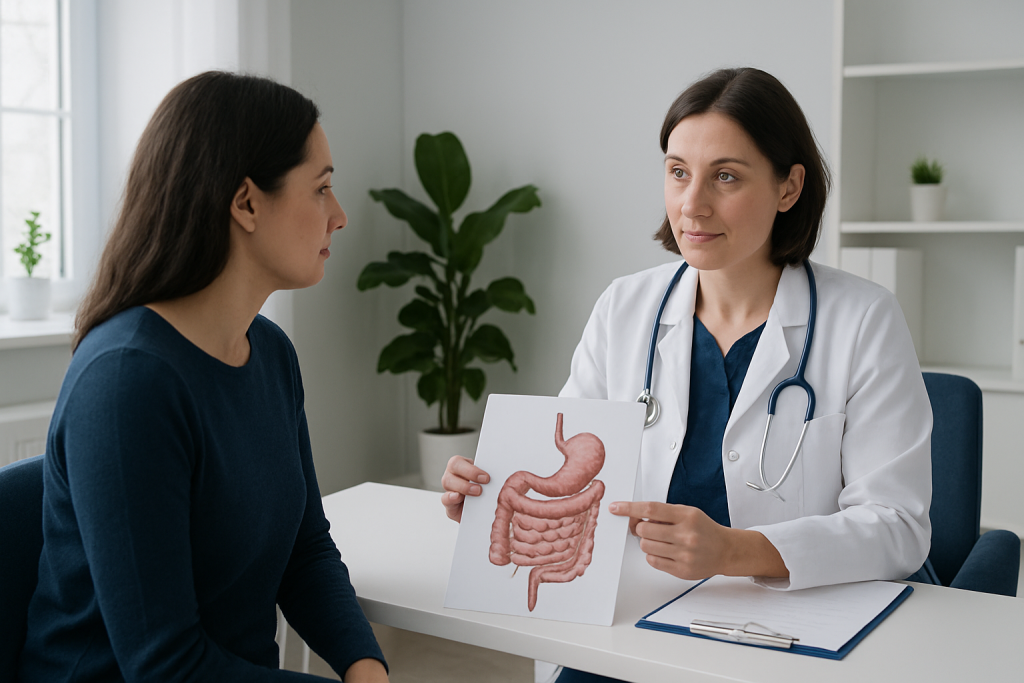
The makeup of a meal is one of the strongest influences on digestion speed. Foods high in fat usually stay in the stomach longer than lighter meals. Protein, fiber, and very large portions can also slow gastric emptying, while liquids generally move through more quickly than solid food.
Several personal factors can change the timing as well. Age, physical activity, hydration, stress levels, sleep, and the balance of gut bacteria may all play a role. Some medicines, including certain pain relievers, iron supplements, and drugs that affect gut movement, can also slow digestion or cause constipation.
Digestive conditions deserve special attention because they can alter how food is processed. Common examples include:
- Gastroesophageal reflux disease, which may cause discomfort after meals
- Gastritis or peptic ulcers, which can make eating unpleasant
- Irritable bowel syndrome, which may cause faster or slower bowel patterns
- Gastroparesis, in which the stomach empties more slowly than expected
- Celiac disease or inflammatory bowel disease, which can affect absorption and bowel habits
Common symptoms of slow or disturbed digestion
Many people notice that digestion feels slower after a heavy meal, during travel, or when they are under stress. A brief sense of fullness is usually not concerning on its own. Problems tend to become more important when the pattern is repeated or when symptoms interfere with daily life.
Possible signs that digestion is not moving comfortably include bloating, nausea, early fullness, burping, heartburn, abdominal pain, constipation, or a feeling that food “sits” in the stomach for too long. Some people also notice changes in appetite or a heavy, uncomfortable feeling after eating small amounts.
It can be helpful to pay attention to patterns rather than one isolated episode. For example, a person may tolerate breakfast well but feel unusually full and sluggish after dinner, or symptoms may appear only after certain foods. These clues can help a doctor identify whether the issue is diet-related, medication-related, or linked to an underlying digestive condition.
How doctors evaluate digestion problems
When digestion seems unusually slow or uncomfortable, doctors usually begin with a conversation about symptoms, meal patterns, medications, bowel habits, and recent travel or stress. They may ask when symptoms started, whether there is pain or weight change, and whether certain foods make things better or worse.
A physical examination may be followed by targeted tests depending on the suspected cause. These can include blood tests, stool tests, imaging studies, breath tests, or endoscopy. In some cases, a gastric emptying test is used to see how quickly food leaves the stomach, especially if gastroparesis is a concern.
For patients seeking care in another country, this process is often coordinated in stages so that the right tests are arranged efficiently. A clear symptom history, a list of current medicines, and any previous reports can help the medical team make the evaluation smoother and more focused.
Treatment options
Treatment depends on what is causing the digestive delay or discomfort. Some people improve with diet changes, such as smaller meals, gentler foods, and less greasy or highly processed food. Others need treatment for acid reflux, constipation, infection, inflammation, or another specific condition.
If medication side effects are part of the picture, a doctor may review current prescriptions and suggest safe adjustments. When constipation is contributing to slow digestion, hydration, fiber balance, movement, and sometimes medical therapy may help. For conditions such as gastroparesis, treatment may involve a tailored eating plan and medicines that support stomach emptying, always based on medical assessment.
In more complex cases, management is long term and individualized. The goal is not just to “speed up” digestion, but to reduce symptoms, protect nutrition, and help the person eat with more comfort and confidence. That may include coordinated care with gastroenterology, nutrition, and other specialties when needed.
Prevention & self-care
There is no way to control digestion perfectly, but everyday habits can make it work more smoothly. Eating at a steady pace, chewing well, and avoiding very large meals can reduce the burden on the stomach. Many people also feel better when they do not lie down immediately after eating.
Hydration, regular physical activity, and a balanced diet can all support bowel regularity. Some people do best with gradual increases in fiber rather than sudden changes, since a rapid jump in fiber may worsen gas and bloating. Stress management matters too, because the gut and nervous system are closely connected.
Practical steps that may help include:
- Choose smaller, more frequent meals if large meals cause discomfort
- Limit very greasy or heavily processed foods when symptoms flare
- Keep a food and symptom journal to spot patterns
- Stay active with walking or other gentle movement after meals, if comfortable
- Follow a doctor’s advice before using laxatives, supplements, or digestive remedies
When to see a doctor
Occasional slow digestion after a rich meal is common and usually settles on its own. Medical advice is appropriate when symptoms are frequent, persistent, or clearly changing a person’s normal pattern. A doctor can help determine whether the issue is mild and temporary or linked to a condition that needs treatment.
It is especially important to seek evaluation if there is ongoing abdominal pain, repeated vomiting, trouble swallowing, unexplained weight loss, blood in the stool or vomit, black stools, or constipation that does not improve. New digestive symptoms in older adults or in people with known medical conditions should also be discussed with a clinician.
For people traveling for care, this is often the point at which a planned evaluation becomes useful rather than waiting for symptoms to settle on their own. Acibadem Health Point’s multidisciplinary specialists and JCI-accredited hospitals can diagnose and treat digestive conditions for international patients, while helping coordinate care in a clear and supportive way.
Frequently asked questions
How long does it take to digest food in general?
Digestion time varies by meal and by person. The stomach may empty within a few hours, while the full journey through the small and large intestines can take much longer.
Does food digest faster on an empty stomach?
A lighter meal or snack usually moves through the digestive system faster than a heavy meal. However, digestion still depends on what was eaten, not just whether the stomach was empty before the meal.
Which foods take the longest to digest?
Meals high in fat and large portions often take longer to leave the stomach. High-protein and high-fiber foods can also slow the process compared with simple liquids or very light meals.
Can stress affect digestion?
Yes. Stress can influence stomach sensitivity, appetite, and bowel habits, which may make digestion feel slower or more uncomfortable. Some people notice bloating or cramps during stressful periods.
Is slow digestion always a sign of disease?
No. Temporary slow digestion can happen after a big meal, during travel, or with changes in routine. If symptoms are frequent, severe, or accompanied by warning signs, a doctor should evaluate them.
What can help digestion after eating?
Eating smaller meals, staying hydrated, and taking a gentle walk may help some people feel more comfortable. It is also wise to avoid lying down right after eating and to discuss persistent symptoms with a doctor.
References
- National Institute of Diabetes and Digestive and Kidney Diseases
- Mayo Clinic
- Cleveland Clinic
- World Gastroenterology Organisation
- American College of Gastroenterology
This article is for general information only and is not a substitute for professional medical advice. Please consult a qualified doctor about your individual situation.