How Long Does It Take To Die From Sepsis

Key Takeaways
- Sepsis is not a condition with a fixed timeline; it can worsen over hours or days depending on the person and the infection.
- Early treatment greatly improves outcomes, which is why new confusion, breathing difficulty, or a very unwell appearance should never be ignored.
- Sepsis often starts with an infection in the lungs, urinary tract, abdomen, skin, or bloodstream, but it can be triggered by other infections too.
- Diagnosis is based on symptoms, vital signs, blood tests, and the likely source of infection.
- Treatment usually requires urgent hospital care, antibiotics, fluids, and close monitoring; some people need intensive care support.
- After recovery, follow-up matters because sepsis can leave ongoing weakness, memory problems, or organ-related complications.
Medically reviewed by the Acıbadem clinical team — August 19, 2026
Sepsis is a medical emergency that can progress rapidly, but the timeline varies widely from person to person and depends on the infection source, overall health, and how quickly treatment begins. This article explains what sepsis is, why timing matters, and when urgent care is needed.
Overview
Questions about how quickly sepsis can become fatal usually come from a very real place: someone looks unwell, the changes seem fast, and the situation feels hard to understand. The short answer is that there is no single timeline. Sepsis can progress over many hours or over a few days, and in some cases it can become life-threatening with striking speed.
Sepsis is the body’s extreme response to an infection. Instead of staying focused on fighting germs, the immune response becomes widespread and can damage organs and reduce blood flow to vital tissues. That is why sepsis is treated as a medical emergency rather than a routine infection.
For international patients, the practical issue is often not just what sepsis means, but what to do when symptoms appear away from home. The safest approach is to treat sudden worsening, confusion, trouble breathing, or a dramatic decline in alertness as reasons to seek emergency care immediately, even before the exact diagnosis is confirmed.
Symptoms
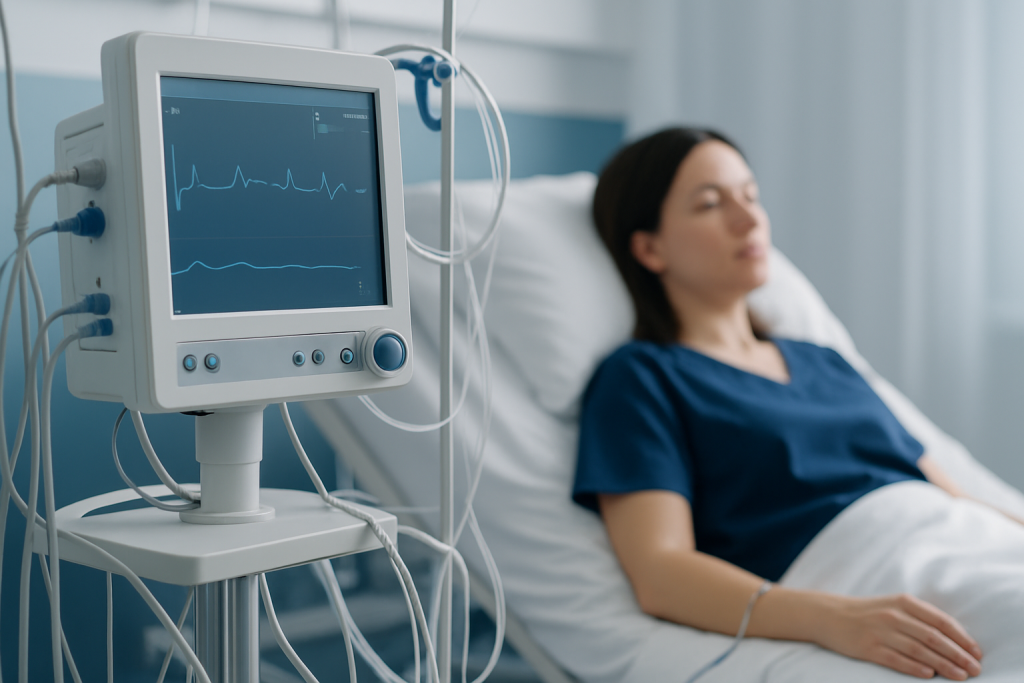
Sepsis rarely begins with a dramatic label. It often starts as a common infection, then the person becomes noticeably more unwell than expected. Fever is common, but sepsis can also occur with a low temperature, especially in older adults or people with weaker immune systems.
Typical warning signs may include a fast heartbeat, rapid breathing, shaking chills, severe weakness, reduced urine output, vomiting, and new confusion. Some people seem unusually sleepy, difficult to wake, or “not quite themselves,” which can be an early clue that the infection is affecting the brain and circulation.
Because the signs can be different from one person to another, families often notice that “something is off” before they can identify a specific symptom. That concern deserves attention. When several of these changes happen together, especially after a recent infection, urgent medical assessment is appropriate.
- Fever, chills, or a very low body temperature
- Shortness of breath or fast breathing
- Rapid pulse or pale, clammy skin
- Confusion, disorientation, or marked sleepiness
- Severe pain or discomfort
- Reduced urine output or signs of dehydration
Causes & Risk Factors

Sepsis develops when an infection sets off an overwhelming inflammatory response. The most common sources are pneumonia, urinary tract infections, abdominal infections such as appendicitis or infected gallbladder disease, skin and soft tissue infections, and bloodstream infections related to catheters or other medical devices.
Some infections are more likely to turn serious because they are harder to control or because treatment is delayed. A small wound, a dental infection, or an infection that seems mild at first can still lead to sepsis in the right circumstances, especially if the infection spreads or the immune system is under strain.
Risk is higher in older adults, infants, pregnant people, individuals with diabetes or chronic kidney disease, people receiving cancer treatment, transplant recipients, and anyone with a weakened immune system. Recent surgery, long hospital stays, and invasive procedures can also increase the chance of infection becoming severe.
Travel can complicate the picture because symptoms may appear in an unfamiliar setting. People may delay care while trying to fly home or wait for a preferred specialist. With sepsis, that delay can matter, so prompt local evaluation is usually the safer option.
Diagnosis
Doctors diagnose sepsis by combining the patient’s appearance, vital signs, laboratory tests, and the likely source of infection. There is no single test that confirms it in every case. Instead, clinicians look for evidence that an infection is affecting the body systemically and may be harming organs.
Common tests may include blood counts, kidney and liver function tests, blood cultures, urine tests, imaging such as chest X-ray or CT scan, and measurements of oxygen levels and blood pressure. Blood lactate may also be checked because it can reflect poor tissue perfusion.
In many cases, time matters more than perfect certainty. If sepsis is suspected, treatment often begins before all results are back. That approach reflects the reality that waiting for every answer can allow the condition to worsen. For international patients, this is one reason emergency assessment should happen where the illness is unfolding rather than after travel is completed.
Treatment Options
Treatment usually starts in the hospital, and sometimes in the intensive care unit. The first goals are to control the infection, support breathing and circulation, and protect organs. Antibiotics are commonly started quickly when a bacterial source is suspected, while the source of infection is investigated and addressed.
Intravenous fluids are often given to support blood pressure and circulation. If blood pressure remains low, additional medicines may be needed to keep blood flowing to the organs. Some patients require oxygen, respiratory support, kidney support, or procedures to drain an abscess or remove infected tissue.
The exact treatment depends on where the infection began and how far the body has been affected. A urinary infection may need different follow-up than pneumonia or an abdominal infection, but the overall strategy is similar: treat the infection, support the organs, and monitor closely for changes.
Recovery can continue after discharge. Some people need rehabilitation for weakness, nutrition support, or follow-up for kidney, heart, or cognitive effects. This is especially relevant for patients returning to another country, because continuity of care and clear discharge instructions help reduce gaps in recovery.
Prevention & Self-care
Preventing sepsis begins with preventing and treating infections early. Hand hygiene, keeping chronic conditions well managed, and following recommended vaccinations can lower the risk of common infections that sometimes lead to sepsis.
Prompt care for fever, painful urination, cough with worsening breathlessness, infected wounds, or abdominal pain can also make a difference. People with diabetes, weakened immunity, or recent surgery should be especially careful with new symptoms because infections may become serious more easily.
Self-care is not a substitute for emergency treatment when sepsis is suspected. However, after recovery, rest, hydration, gentle activity as advised, and careful medication adherence can support healing. It is also wise to keep a written summary of the illness, procedures, and medications for any follow-up doctor, especially if care will continue in another country.
- Seek care early for infections that are not improving
- Keep vaccines and chronic disease care up to date
- Clean and monitor wounds carefully
- Ask for clear discharge documents and follow-up plans
- Do not delay emergency care to arrange travel
When To See a Doctor
Immediate medical attention is needed if a person with a known or possible infection becomes confused, extremely weak, short of breath, very sleepy, or difficult to wake. A high fever can be concerning, but sepsis can also occur without fever, so a normal temperature does not rule it out.
Anyone with low blood pressure, blue or gray lips, severe pain, reduced urination, or a rapidly worsening condition should be seen in an emergency setting right away. If the person seems to be deteriorating hour by hour, the safest choice is not to wait for a scheduled appointment.
After the urgent phase, follow-up with a doctor is important to confirm that the infection is clearing and to check for complications. Acibadem Health Point’s multidisciplinary specialists and JCI-accredited hospitals can diagnose and treat sepsis for international patients, with coordinated care that helps bridge emergency treatment and recovery.
Frequently asked questions
How fast can sepsis become life-threatening?
Sepsis can worsen over hours or days, and sometimes it progresses very quickly. The timeline depends on the infection, the person’s health, and how soon treatment begins. Because it can change rapidly, suspected sepsis should be treated as an emergency.
Can someone die from sepsis in one day?
It is possible for sepsis to become fatal very quickly in severe cases, especially if treatment is delayed. However, there is no fixed time for everyone. Early hospital care improves the chances of recovery.
What are the earliest warning signs of sepsis?
Early signs may include fever or low temperature, fast breathing, rapid heartbeat, marked weakness, and feeling unusually unwell. Confusion, sleepiness, or reduced urine output are especially concerning. If these occur after an infection, urgent evaluation is needed.
Is sepsis always caused by a fever?
No. While fever is common, some people with sepsis have a low body temperature or no fever at all. That is why overall symptoms and behavior changes matter just as much as temperature readings.
What happens in the hospital when sepsis is suspected?
Doctors usually start treatment quickly while searching for the infection source. Care may include antibiotics, intravenous fluids, oxygen, and monitoring for organ function. Some patients need intensive care if blood pressure or breathing is affected.
Can a person fully recover from sepsis?
Many people do recover, but the process can take time. Some have ongoing fatigue, memory changes, or weakness after discharge. Follow-up care helps detect complications and supports recovery.
References
- World Health Organization
- Centers for Disease Control and Prevention
- NHS
- Mayo Clinic
- Society of Critical Care Medicine
This article is for general information only and is not a substitute for professional medical advice. Please consult a qualified doctor about your individual situation.
Explore treatments in Turkey — costs, top hospitals & a free quote
JCI-accredited · board-certified surgeons · reply within 24h
Add us as a Preferred Source to see more of our trusted health content across Google Search, AI Overviews and Discover.