Temperatura

Key Takeaways
- Temperatura is usually a symptom, not a disease, and often reflects the body’s response to infection or inflammation.
- The pattern of symptoms matters as much as the number on the thermometer, especially in children, older adults, and people with chronic illness.
- Hydration, rest, and careful monitoring are often part of safe home care, but persistent or high temperaturas need medical assessment.
- Doctors may use examination, tests, and the person’s travel or exposure history to find the cause.
- International patients should plan follow-up care before traveling so they know where to turn if symptoms continue after return home.
Temperatura, or fever, is the body’s natural response to many common illnesses and sometimes to more serious conditions. Understanding what it means, how to monitor it, and when to seek medical advice can help patients respond calmly and appropriately.
Overview
Temperatura is a word many people use for fever or a raised body temperature. It is not a diagnosis on its own. Instead, it is one of the body’s ways of signaling that something is happening, often an infection, but sometimes inflammation, heat exposure, medication effects, or another underlying condition.
For many people, temperatura is short-lived and resolves as the body recovers. The important question is not only whether the temperature is elevated, but also how the person feels, how long the symptom has lasted, and whether other changes are present. A mild rise may be manageable at home, while a persistent or very high temperature deserves medical evaluation.
In an international-patient setting, fever can be especially confusing because travel, new foods, climate changes, and exposure to unfamiliar infections may all be part of the picture. A clear history helps doctors decide whether the cause is likely to be simple or whether further tests are needed.
Symptoms
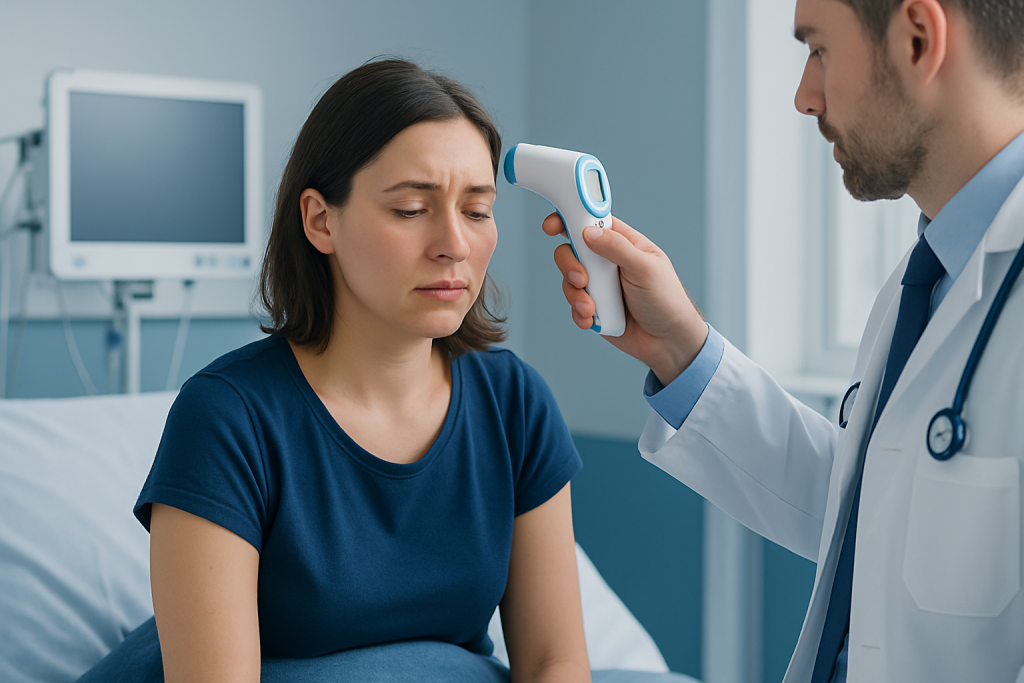
Temperatura can appear in different ways. Some people feel hot and flushed, while others experience chills, shivering, sweating, fatigue, headache, body aches, or loss of appetite. In children, fever may show up as irritability, reduced play, unusual sleepiness, or wanting to be held more than usual.
The thermometer reading does not tell the full story by itself. A moderate fever with no other symptoms may be less concerning than a lower temperature accompanied by breathing trouble, confusion, severe pain, dehydration, or a new rash. Watching the whole pattern often gives the most useful information.
Common accompanying features may include:
- sore throat, cough, or nasal congestion
- nausea, vomiting, or diarrhea
- pain when urinating or lower abdominal discomfort
- localized redness, swelling, or warmth
- joint pain, muscle aches, or general weakness
Causes & Risk Factors

Infections are the most familiar cause of temperatura. Viral illnesses such as colds and flu, bacterial infections such as urinary tract infections or pneumonia, and some parasitic illnesses can all raise body temperature. The fever is part of the immune response, not the illness itself.
There are also non-infectious causes. Autoimmune disorders, inflammatory conditions, heat exhaustion, certain medications, blood clots, and some cancers can lead to prolonged or recurrent temperatura. In some cases, no single cause is obvious at first, which is why medical assessment may include careful questioning about symptoms, travel, exposure, and recent procedures.
Risk can be higher in people who are very young, older adults, pregnant patients, people with weakened immune systems, and those with chronic diseases such as diabetes, kidney disease, or lung disease. Recent surgery, dental infection, or contact with someone who is ill may also provide helpful clues. When someone has traveled internationally, the doctor may ask about mosquito exposure, contaminated food or water, animal contact, and any vaccines received before the trip.
Diagnosis
Diagnosis begins with a conversation. A doctor will usually ask when the temperatura started, how high it has been, what other symptoms are present, and whether there has been recent travel, medication use, or contact with sick individuals. This history often narrows the possible causes significantly.
The physical examination can reveal signs that point to a source, such as a throat infection, chest infection, abdominal tenderness, skin changes, or signs of dehydration. Depending on the situation, the doctor may recommend blood tests, urine tests, throat swabs, imaging studies, or other investigations to identify the cause and decide whether treatment should begin right away.
For international patients, bringing a record of symptoms, medications, vaccine status, and any tests already done in another country can save time and help avoid repeating work unnecessarily. A translated summary, if available, is often helpful but not required.
Treatment Options
Treatment depends on the underlying cause rather than the temperature reading alone. If a viral infection is responsible, care may focus on rest, fluids, and symptom relief while the illness runs its course. If a bacterial infection is found, a clinician may prescribe antibiotics when appropriate.
In some situations, the doctor may recommend medicines to ease discomfort, lower fever, or address pain, but the choice depends on the person’s age, other health conditions, and the suspected cause. It is best to avoid taking multiple over-the-counter products at the same time without checking labels, because some combination medicines contain overlapping ingredients.
When temperatura is linked to a condition such as an autoimmune disease, heat illness, or medication reaction, treatment targets that specific issue. People who become dehydrated, cannot keep fluids down, or appear significantly unwell may need closer monitoring, fluids, or hospital care. The right plan is usually straightforward once the cause is identified.
Prevention & Self-care
Not every case of temperatura can be prevented, but sensible habits reduce risk and help recovery. Regular handwashing, safe food and water practices, staying up to date with vaccines, and avoiding close contact with sick individuals can lower the chance of some infections. Travelers may also benefit from destination-specific advice before departure.
At home, rest and hydration are often the most useful first steps. Light clothing, a comfortable room temperature, and small frequent sips of water or oral rehydration fluids can help. It is usually wiser to focus on comfort, fluids, and observation than on repeatedly checking the thermometer every few minutes.
A calm self-care plan may include:
- tracking the temperature at reasonable intervals
- watching for worsening symptoms, not just the number
- avoiding strenuous activity until better
- not sharing towels, cups, or utensils when infection is possible
- planning follow-up if the person is traveling or away from home
When to See a Doctor
Medical review is sensible when temperatura lasts more than a few days, keeps returning, or appears with symptoms that do not fit a simple viral illness. Anyone who is very weak, confused, short of breath, dehydrated, or experiencing severe pain should be assessed promptly.
Extra care is needed for infants, young children, older adults, pregnant patients, and people with weakened immune systems. In these groups, even a seemingly modest fever may need medical attention sooner because serious illness can develop with fewer obvious warning signs.
Urgent evaluation is especially important if temperatura is accompanied by breathing difficulty, chest pain, seizure, stiff neck, severe headache, new rash, persistent vomiting, signs of dehydration, or a person becoming unusually sleepy or difficult to wake. If care is being sought while traveling, it helps to know where the nearest reliable clinic or hospital is in advance.
Acibadem Health Point notes that its multidisciplinary specialists and JCI-accredited hospitals diagnose and treat fever-related illnesses for international patients who need coordinated care abroad.
Frequently asked questions
Is temperatura always a sign of infection?
No. Infection is the most common cause, but inflammation, heat exposure, medication reactions, and other medical conditions can also raise body temperature. A doctor looks at the full symptom pattern before deciding what is most likely.
What is the best way to check temperatura at home?
A reliable digital thermometer is usually the easiest option. It is best to follow the device instructions carefully and use the same method each time when possible, so readings are easier to compare over time.
Should fever always be treated right away?
Not always. If the person is drinking fluids, resting, and otherwise coping well, the focus may be on comfort and observation. Treatment is more important when the fever causes significant discomfort or when a doctor has identified an illness that needs specific care.
Can children and adults be managed the same way?
No. Age matters a great deal, especially for infants, young children, and older adults. These groups may need earlier medical advice because their symptoms can change more quickly or be less obvious.
When should someone seek urgent help for temperatura?
Urgent help is important if fever comes with trouble breathing, chest pain, confusion, stiff neck, seizure, severe dehydration, or a new rash that looks concerning. It is also wise to seek prompt care if the person is very unwell or has a condition that lowers immunity.
Why does a doctor ask about travel when someone has fever?
Travel can expose a person to infections that are less common at home, as well as different foods, water sources, insects, and environmental risks. That history helps doctors choose the right tests and avoid missing an important diagnosis.
References
- World Health Organization
- Centers for Disease Control and Prevention
- National Health Service
- Mayo Clinic
This article is for general information only and is not a substitute for professional medical advice. Please consult a qualified doctor about your individual situation.