How Long Does Caffeine Stay In Your System

Key Takeaways
- Caffeine usually stays active for several hours, but the exact timing varies from person to person.
- A caffeine half-life of about 3 to 7 hours means part of it can remain in the body well into the evening.
- Sleep, pregnancy, liver health, smoking, and some medicines can change how quickly caffeine is cleared.
- Common signs of too much caffeine include restlessness, a fast heartbeat, stomach upset, and trouble sleeping.
- Reducing late-day caffeine and watching hidden sources can help people manage symptoms more comfortably.
Caffeine does not leave the body at the same pace for everyone. Its effects can linger for hours, especially in people who are sensitive, pregnant, taking certain medicines, or drinking it later in the day.
Overview
Caffeine is one of the world’s most widely used stimulants, and many people only think about it in terms of a morning coffee or an afternoon tea. In the body, though, caffeine has a longer story. It is absorbed fairly quickly, begins to act within minutes, and can influence alertness, mood, and sleep long after the last sip.
When people ask how long caffeine stays in the system, they are usually trying to solve a practical problem: Why can a late cup of coffee keep them awake, or why does one energy drink feel different from another? The answer depends on metabolism, dose, timing, and personal sensitivity. For someone preparing for travel, shift work, or a medical procedure, understanding these differences can make planning easier and recovery smoother.
Most of the time, caffeine is processed by the liver and cleared gradually. Rather than disappearing all at once, it is broken down over several hours. That is why the effects may fade before caffeine is fully gone from the bloodstream.
Symptoms of Too Much Caffeine
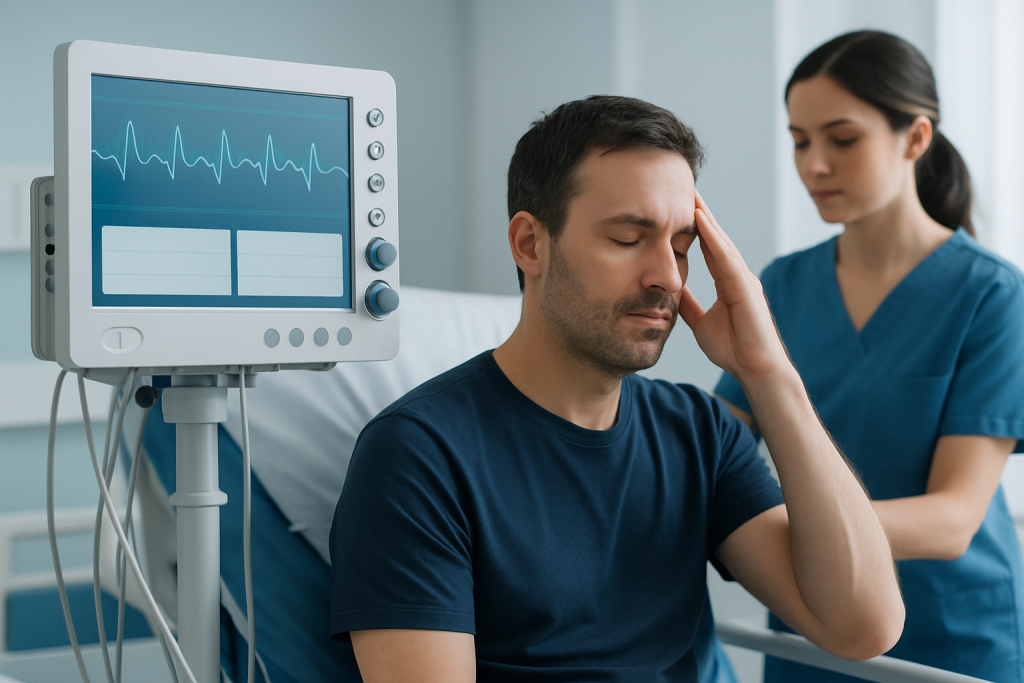
Many people tolerate caffeine well, but higher amounts can produce symptoms that are uncomfortable even if they are temporary. These effects often appear when intake rises suddenly, when caffeine is taken on an empty stomach, or when a person is especially sensitive.
Common signs of excess caffeine include:
- Feeling jittery, restless, or unable to sit still
- Fast or pounding heartbeat
- Shakiness in the hands
- Stomach upset, nausea, or reflux
- Headache
- Anxiety or irritability
- Difficulty falling asleep or staying asleep
In some people, caffeine can also make concentration feel worse instead of better. The body may feel “wired,” while the mind becomes scattered. If symptoms are severe, long-lasting, or occur after a very large intake, medical advice should be sought.
Causes & Risk Factors

Caffeine levels in the body are affected by more than the number of drinks consumed. The same cup of coffee can feel mild to one person and intense to another. This difference is partly due to genetics and partly due to health, lifestyle, and medicine use.
Several factors can slow or speed caffeine clearance:
- Pregnancy: Caffeine is often processed more slowly during pregnancy.
- Liver function: Because the liver breaks caffeine down, liver disease can delay clearance.
- Smoking: Nicotine and smoking can alter caffeine metabolism, often making it clear faster.
- Medications: Some antibiotics, antidepressants, asthma medicines, and heart medicines may interact with caffeine or change its breakdown.
- Age and body size: These can influence how a person responds, though they do not tell the whole story.
- Genetics: Some people are naturally more sensitive to caffeine or metabolize it more slowly.
People who already have anxiety, heart rhythm concerns, reflux, or sleep problems may notice caffeine more strongly. For international patients traveling across time zones, jet lag can also make caffeine’s effects feel more pronounced because the sleep-wake cycle is already disrupted.
Diagnosis
There is no single test used routinely to diagnose “too much caffeine” in everyday life. In most cases, a doctor looks at symptoms, timing, and the amount and type of caffeine consumed. A detailed discussion of coffee, tea, soda, energy drinks, pre-workout products, chocolate, and medications can help identify the source.
If symptoms are unusual, persistent, or severe, a doctor may check for other causes that can resemble caffeine effects, such as thyroid problems, anxiety disorders, dehydration, or heart rhythm issues. The goal is not only to confirm caffeine exposure but also to make sure another condition is not being missed.
In an international care setting, patients may arrive with partial records or products purchased in different countries. Bringing packaging, ingredient lists, and a list of medicines can help the clinical team interpret what was consumed and how it may be affecting the body.
Treatment Options
For most people, caffeine-related symptoms improve with time and simple supportive care. Because caffeine is cleared gradually, the main approach is usually to reduce further intake and allow the body to process what is already present. Rest, hydration, and a calm environment may help some people feel better while symptoms settle.
When symptoms are significant, doctors may recommend medical evaluation to rule out other causes and to monitor heart rate or blood pressure if needed. If caffeine triggered a more serious reaction, treatment focuses on the specific symptoms rather than on a single “antidote.”
Possible steps a clinician may suggest include:
- Stopping additional caffeine sources for the day
- Drinking water and eating light, balanced meals if tolerated
- Avoiding strenuous exercise until symptoms settle
- Reviewing medicines or supplements that may interact with caffeine
- Seeking urgent care if chest pain, fainting, or severe palpitations occur
For people who rely on caffeine daily, treatment may also involve a gradual reduction plan rather than sudden withdrawal. This can help reduce headaches and fatigue that sometimes appear when intake drops abruptly.
Prevention & Self-care
Managing caffeine works best when people know where it hides. Coffee is the most obvious source, but caffeine also appears in tea, soft drinks, energy drinks, pre-workout powders, some pain relievers, and even certain flavored foods. Reading labels can prevent accidental overuse.
Practical habits that may help include:
- Choosing earlier hours for coffee or tea, especially if sleep is easily disturbed
- Spacing caffeine intake instead of consuming several servings at once
- Switching to lower-caffeine options when needed
- Being cautious with energy drinks and concentrated supplements
- Tracking how the body responds, rather than assuming all caffeine has the same effect
People who are preparing for travel or recovery may find it helpful to think ahead. Adjusting caffeine intake before crossing time zones can make sleep easier to reset. After medical treatment or during recovery, following the guidance of the treating team is wise, especially if medications, hydration needs, or sleep patterns are changing.
When to See a Doctor
Most caffeine effects are mild and pass without intervention, but medical advice is appropriate when symptoms are stronger than expected or do not improve. A doctor should be contacted if caffeine seems to trigger frequent palpitations, anxiety that feels difficult to control, repeated vomiting, or ongoing sleep disruption.
Urgent medical attention is important for chest pain, fainting, severe shortness of breath, confusion, or a very rapid or irregular heartbeat. These symptoms can have causes beyond caffeine and should not be assumed to be harmless.
People with pregnancy, heart disease, liver disease, anxiety disorders, or complex medication schedules may benefit from a personalized discussion about caffeine limits. For international patients who need coordinated evaluation, multidisciplinary specialists and JCI-accredited hospitals such as Acibadem Health Point can diagnose and treat caffeine-related concerns while supporting care across travel and follow-up.
Frequently asked questions
How long does caffeine usually stay in the body?
Caffeine is often active for several hours, and its half-life is commonly described as about 3 to 7 hours. That means a meaningful amount may still be present later in the day, especially after a larger serving or in people who clear it more slowly. The exact timing varies from person to person.
Why does caffeine affect sleep even when taken in the afternoon?
Caffeine can remain in the bloodstream long after its stimulating effect feels strongest. If it is taken late in the day, enough may still be present at bedtime to make falling asleep harder or to reduce sleep quality. People who are sensitive may notice this with even modest amounts.
What makes someone more sensitive to caffeine?
Sensitivity can be influenced by genetics, pregnancy, liver health, smoking status, and certain medicines. Anxiety, reflux, and heart rhythm concerns can also make caffeine feel more noticeable. Some people simply react strongly even at low doses.
Are decaf drinks completely caffeine-free?
No, decaffeinated drinks usually still contain a small amount of caffeine. The amount is much lower than regular coffee, but it may still matter for very sensitive people. Checking labels can be helpful if caffeine avoidance is important.
Can I suddenly stop caffeine without problems?
Some people can stop without difficulty, but others develop withdrawal symptoms such as headaches, fatigue, or irritability. If daily intake is high, a gradual reduction is often easier to tolerate. A clinician can help with a practical taper if needed.
When should caffeine symptoms be checked by a doctor?
Medical advice is appropriate if symptoms are severe, persistent, or unusual for that person. Chest pain, fainting, confusion, or a very fast or irregular heartbeat need urgent evaluation. It is always reasonable to ask a doctor if there is uncertainty about whether caffeine is the cause.
References
- Mayo Clinic
- National Institutes of Health
- U.S. Food and Drug Administration
- World Health Organization
- Cleveland Clinic
This article is for general information only and is not a substitute for professional medical advice. Please consult a qualified doctor about your individual situation.