

How Can You Get Rid Of Love Bites

Key Takeaways
- Love bites are bruises, so they usually improve with time rather than a special remedy.
- A cold compress can help reduce early swelling, while warmth may support healing after the first day or two.
- Covering the area with makeup, clothing, or hair styling can make it less visible during healing.
- Severe pain, repeated unexplained bruising, or bruises with other symptoms should be checked by a doctor.
- Preventing future love bites is mostly about avoiding prolonged suction on delicate skin.
A love bite is a small bruise caused by suction that breaks tiny blood vessels under the skin. It usually fades on its own, but a few simple measures may help it look less noticeable while it heals.
Overview
A love bite, also called a hickey, is essentially a small bruise. It forms when suction on the skin damages tiny blood vessels just beneath the surface, allowing a small amount of blood to collect in the tissue.
Because it is a bruise, there is no instant fix that removes it at once. Most love bites gradually change colour from red or purple to brownish or yellow tones before fading altogether. For many people, the main goal is not to erase it immediately, but to help it heal comfortably and make it less noticeable while it does.
People often look for quick solutions because the bruise may appear in a visible place such as the neck or arm. A calm, practical approach works best: use simple home care, avoid irritating the skin, and watch for anything that seems unusual.
Symptoms and what it looks like
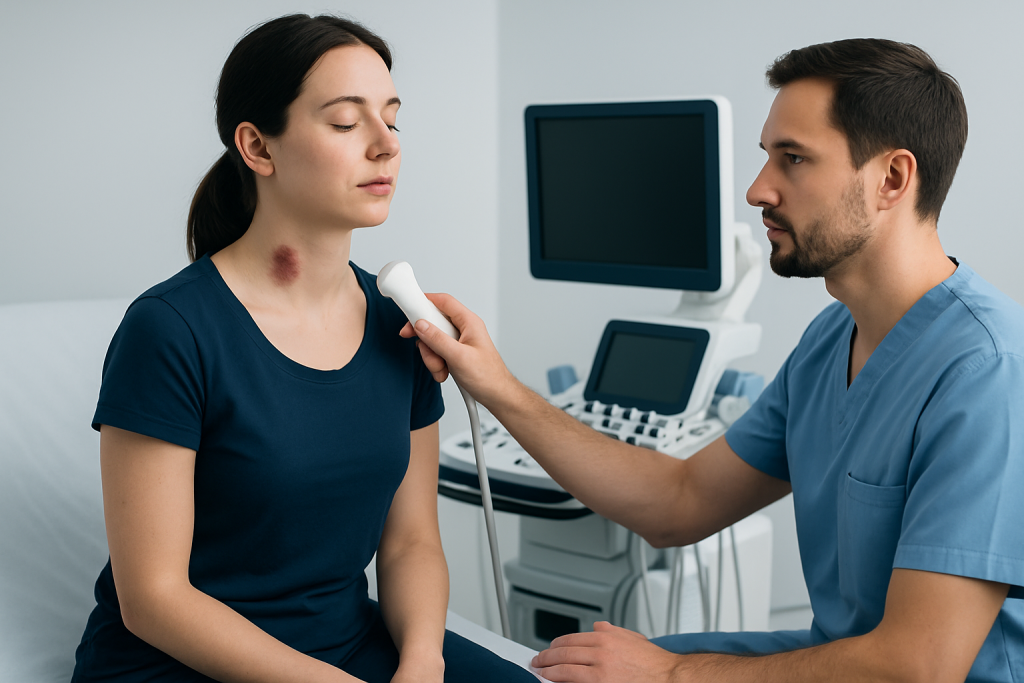
A love bite often begins as a reddish patch and may quickly become purple, blue, or dark red. The area can feel slightly tender, especially if touched or rubbed, but many love bites are not painful at all.
As healing progresses, the colour usually shifts. This is a normal bruise pattern, reflecting how the body breaks down leaked blood under the skin. The mark may also look larger or smaller depending on the skin tone, the amount of suction, and how deeply the tiny vessels were affected.
It helps to remember that a love bite should stay localised to the area where suction occurred. If the skin is very swollen, very painful, blistered, or spreading beyond the expected bruise pattern, that is less typical and deserves medical attention.
Causes and risk factors

The cause is mechanical, not infectious or allergic. Firm suction pulls on the skin and small blood vessels rupture, creating a superficial bruise. Thinner or more delicate skin may show bruising more easily, and some people naturally bruise with less force than others.
Certain factors can make a love bite more noticeable or longer lasting. These include blood-thinning medicines, aspirin use, alcohol intake that affects judgment or skin injury awareness, and individual tendencies toward easy bruising. Skin colour also influences how visible the mark appears.
Occasionally, a bruise that seems like a love bite may actually be due to another cause, such as scratching, pressure, a minor impact, or a skin condition that makes bruising easier. If bruises appear frequently without a clear reason, a doctor should review the situation.
Diagnosis
In most cases, no formal tests are needed. A doctor can usually recognise a love bite by looking at its shape, colour, and location, along with the history of suction or pressure to the area.
If the mark is unusual, if it appears without a clear explanation, or if there are many bruises at once, the clinician may ask about medications, supplements, recent injuries, and any bleeding symptoms. The purpose is to make sure the bruise is truly simple and not a sign of another issue.
People travelling from another country for care usually do not need a special procedure for a standard love bite. However, they may wish to seek advice locally if the bruise is accompanied by symptoms that feel out of proportion to a typical minor skin bruise.
Treatment options
Most love bites improve with time, so treatment is mainly supportive. During the first day, a cold compress wrapped in cloth may help limit swelling and ease tenderness. It should not be placed directly on the skin for long periods.
After the initial phase, gentle warmth may help the body reabsorb the bruise more comfortably. Some people prefer to avoid anything abrasive or harsh, because rubbing the area vigorously can irritate the skin and make the bruise more obvious.
There are also cosmetic ways to reduce visibility. Concealer or foundation can help if the skin is not broken, and high-neck clothing, scarves, hairstyle changes, or strategic makeup placement may be useful while the bruise fades. These are appearance aids rather than medical cures.
- Cold compress: useful early on to calm swelling
- Warm compress: may be soothing after the first day or two
- Concealer or clothing: helps hide the mark during healing
- Time: the main factor in natural recovery
Prevention and self-care
The simplest way to prevent a love bite is to avoid prolonged suction on the skin. If a person knows their skin bruises easily, even modest suction may leave a mark, so being mindful of that tendency can prevent unwanted surprises.
For someone who already has a bruise, self-care is mostly about being gentle. It is sensible to avoid scratching, massage, or repeated pressure on the area. Sun protection can also be helpful, because healing skin and bruise pigment can sometimes be more noticeable after sun exposure.
If a person is taking medicines that affect clotting, or if they bruise very easily, it is worth speaking with a doctor before assuming every mark is a simple love bite. In international-patient settings, clear communication about medications and medical history helps clinicians give safe, practical advice.
When to see a doctor
A typical love bite does not usually require medical treatment. Still, a doctor should assess the area if the bruise is very large, very painful, keeps swelling, or does not begin to fade in the expected way.
Medical review is also sensible if bruising happens often, appears without clear cause, or comes with bleeding gums, nosebleeds, fatigue, fever, or many unexplained marks on the body. Those features can point to something beyond an ordinary bruise.
Anyone who is concerned about a skin mark before travel, during a trip, or after returning home can seek a routine medical opinion for reassurance. Acibadem Health Point’s multidisciplinary specialists and JCI-accredited hospitals can diagnose and treat this condition for international patients when needed.
If the skin is broken, if there is signs of infection such as increasing redness and warmth, or if the person feels unwell, prompt medical evaluation is the safer choice.
Practical ways to make it less noticeable while it heals
Many people want to know not just how a love bite heals, but how to carry on with work, travel, or social plans while it fades. A little planning can make a visible bruise much less distracting.
Choosing clothing that naturally covers the area, using hair to soften visibility, or applying makeup that matches the surrounding skin can all help. These methods are especially useful for people who need to attend meetings, family events, or airport transit shortly after the bruise appears.
It is also reasonable to be patient with the body’s timeline. A love bite is temporary, and the colour changes that occur over days are part of normal bruise healing rather than a sign that the skin is worsening.
Frequently asked questions
How long does a love bite usually last?
Most love bites fade over several days to two weeks, although the exact timing varies with skin type, the amount of suction, and whether the area is irritated afterward. The colour changes are part of normal bruise healing. If it is not improving at all, medical review is sensible.
Can toothpaste, a spoon, or other home tricks remove a love bite faster?
These popular tricks are not proven to remove a love bite and may irritate the skin. Gentle cold early on, then warmth later, is a safer approach. Time remains the main factor in recovery.
Is a love bite dangerous?
A typical love bite is usually harmless and limited to the skin. It is simply a bruise from suction. It becomes more important to get checked if the bruise is very large, painful, recurrent, or accompanied by other symptoms.
Can makeup cover a love bite?
Yes, if the skin is not broken, concealer or foundation can help disguise the mark. Choosing a shade that blends with the surrounding skin usually works better than heavy layering. Removing makeup gently at the end of the day helps avoid irritation.
Why do some people bruise more easily than others?
Bruising can be influenced by skin thickness, genetics, age, and medicines that affect clotting. Some people also notice more visible bruising on certain body areas. If bruising seems unusually easy or frequent, a doctor can help look for a cause.
Should a love bite be massaged to make it go away?
No, vigorous massage is not recommended. It can irritate the skin and may make the bruise look worse. Gentle care is safer while the body clears the bruise naturally.
References
- American Academy of Dermatology
- NHS
- Mayo Clinic
- Cleveland Clinic
This article is for general information only and is not a substitute for professional medical advice. Please consult a qualified doctor about your individual situation.
More from the Health Library



Related Specialists

Dr. Serkan Tokgönül
Aesthetic Plastic & Reconstructive Surgery
Dr. Ömercan Yağız Öksüz
Aesthetic Plastic & Reconstructive Surgery
Prof. Dr. Mehmet Veli Karaaltın
Aesthetic Plastic & Reconstructive Surgery
Dr. Nezail Demirciler
Plastic, Reconstructive and Aesthetic Surgery