Phalloplasty

Key Takeaways
- Phalloplasty is a major reconstructive operation that usually requires careful planning and staged care.
- It may involve tissue transfer from another part of the body, urethral reconstruction, and later refinements.
- Recovery is gradual and follow-up matters, especially for wound care, urinary function, and sensation.
- Risks can include infection, scarring, fistula, flap problems, and changes in urinary or sexual function.
- A multidisciplinary team is often the best setting for evaluation, surgery, and long-term support.
Phalloplasty is a complex reconstructive procedure used to create or rebuild a penis, most often as part of gender-affirming care or after injury or illness. Understanding the surgical stages, recovery process, and follow-up needs can help patients make informed decisions with a qualified specialist team.
Overview
Phalloplasty is a reconstructive surgery that creates or reconstructs a penis. It is a highly specialized operation and is usually planned in stages, because the best result often depends on tissue healing, urinary function, and later refinements rather than a single procedure alone.
For some patients, phalloplasty is part of gender-affirming care. For others, it may be considered after trauma, congenital differences, cancer treatment, or another condition that has changed the genital anatomy. In each case, the surgical plan is individualized, since no two patients arrive with the same anatomy, goals, or medical history.
International patients often begin by asking practical questions: how many stages are likely, how long recovery takes, whether a catheter will be needed, and what kind of follow-up is required once they return home. These are important questions, because phalloplasty is not only a surgery but also a process that depends on preparation, coordination, and ongoing care.
What Phalloplasty May Include
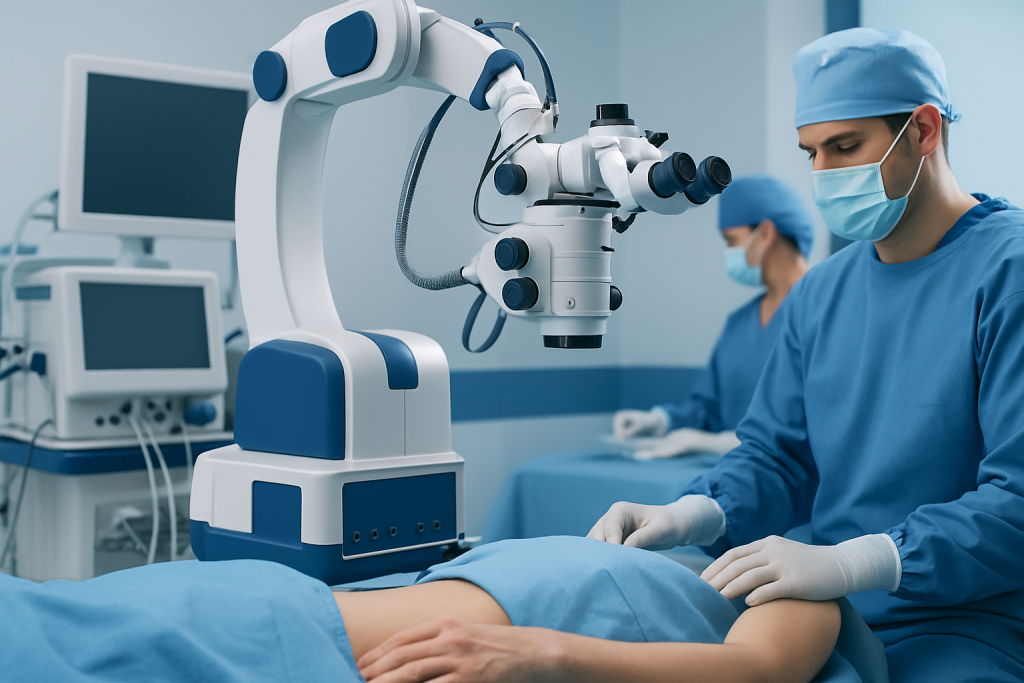
Phalloplasty can involve several reconstructive steps. The surgeon may use tissue from another area of the body, often called a flap, to form the shaft. Depending on the plan, the operation may also include creating or extending the urethra so urination can occur through the reconstructed penis, and building a scrotum, if that is part of the treatment goals.
Some patients choose implants later for rigidity, while others prefer a different approach or may not want an implant at all. Sensation, appearance, standing urination, and sexual function are discussed early because each outcome requires different surgical choices and carries different trade-offs.
Because the procedure is complex, phalloplasty is commonly done in stages. That approach can help the surgical team address healing step by step, reduce risk, and make adjustments after the first reconstruction has had time to settle.
Common Reasons It Is Considered

Phalloplasty may be considered in several situations. One of the most common is gender affirmation for transmasculine patients or other individuals seeking genital reconstruction aligned with their identity. In these settings, the surgery is typically part of a broader care pathway that may include counseling, hormonal therapy, and general health assessment.
It may also be offered after severe injury, infection, burns, congenital absence or underdevelopment of the penis, or following surgery for cancer. In reconstructive settings, the goal is not only appearance, but also function, comfort, and a stable result that supports daily life.
Good candidates are usually patients who understand the scope of the operation, the possibility of staged procedures, and the reality that healing can take months. A thoughtful discussion with a specialist team helps determine whether phalloplasty is appropriate or whether another reconstructive option may fit the situation better.
Signs, Expectations, and Emotional Preparation
Before surgery, patients usually spend time reviewing the expected changes, limits, and possible complications. This step matters because phalloplasty can influence body image, urinary habits, sexual function, and self-care routines in very practical ways. Clear expectations help patients feel steadier as they move through treatment.
Emotional preparation is also part of the process. Some people feel relief and anticipation, while others feel nervous about the length of recovery, the possibility of needing more than one operation, or the challenge of arranging travel and support. These reactions are normal and deserve space in the consultation process.
Patients are often encouraged to identify a support person, plan time away from work or study, and prepare for limited mobility in the early recovery period. For international patients, this may also include organizing accommodation near the hospital, medication schedules, and follow-up appointments before traveling home.
Causes, Risk Factors, and Surgical Planning
Phalloplasty itself does not have causes in the usual sense; rather, it is selected because of a reconstructive need or a patient’s transition-related goals. What shapes the surgical plan are the individual’s anatomy, previous surgeries, overall health, and the type of result they want to achieve.
Certain factors can affect suitability or increase complexity. These may include smoking, diabetes, circulation problems, obesity, blood-clotting concerns, prior pelvic surgery, scarring from injury, or a history of wound-healing difficulties. The surgeon may also consider mental health support, social support, and the patient’s ability to participate in follow-up care.
Planning usually includes a detailed review of body sites that may supply tissue for the reconstruction. The team also discusses urinary reconstruction, the possible need for later revisions, and whether related procedures such as hysterectomy, vaginectomy, or scrotoplasty are part of the overall plan. The order of these steps can vary.
Diagnosis and Preoperative Evaluation
There is no single “test” that diagnoses the need for phalloplasty. Instead, evaluation is based on history, physical examination, goals of care, and the surgeon’s assessment of whether reconstruction is feasible and safe. In many cases, the consultation is multidisciplinary, bringing together specialists in plastic surgery, urology, and sometimes gynecology, endocrinology, mental health, or rehabilitation.
Preoperative workup often includes routine blood tests, review of medications, assessment of cardiovascular and anesthesia risk, and evaluation of any chronic conditions. If the patient has urinary symptoms, prior genital surgery, or a history of scarring, additional imaging or specialist testing may be recommended.
For patients traveling from another country, preoperative planning can be especially important. Surgeons may ask for previous medical records, photographs of prior surgeries if relevant, hormone therapy history where appropriate, and details about current medications. This helps the team build a realistic plan before the patient arrives and reduces avoidable delays.
Treatment Options and Surgical Techniques
Phalloplasty is not one uniform operation. The approach depends on the patient’s needs and the surgeon’s experience. Tissue for the new penis may be taken from the forearm, thigh, back, abdomen, or another donor site, with each option offering different balances of contour, scar pattern, and technical complexity.
The reconstruction may include several components: shaping the phallic form, creating or lengthening the urethra, preserving or arranging nerves for potential sensation, and preparing the area for future implants if desired. Some procedures also involve the removal or repositioning of other genital structures as part of the overall reconstructive plan.
Recovery expectations vary by technique. Some donor sites require skin grafting or special dressings. Some patients need a urinary catheter for a period of time, and some need staged operations weeks or months later. The surgeon should explain which parts of the plan are essential, which are optional, and which may be adjusted based on healing.
Recovery, Prevention, and Self-Care
Recovery after phalloplasty is gradual and often more involved than patients expect. Early care focuses on protecting the surgical sites, monitoring circulation and wound healing, managing discomfort, and following instructions about movement, dressings, and catheter care if a catheter is present.
Patients are usually advised to avoid pressure on the reconstructed area, heavy lifting, and vigorous activity until the surgical team says it is safe. Walking may be encouraged early, but the pace and limits depend on the exact procedure. Good nutrition, hydration, and careful wound hygiene support healing, while smoking cessation is especially important because tobacco use can impair blood flow and delay recovery.
Self-care also includes staying alert to changes that deserve a prompt call to the surgeon, such as fever, increasing redness, drainage with a strong odor, new swelling, loss of color in the tissue, trouble urinating, or severe pain. For international patients, a clear post-discharge plan is essential, including written instructions, emergency contact details, and an arranged follow-up schedule after returning home.
When to See a Doctor
Anyone considering phalloplasty should consult a qualified reconstructive surgeon or gender-affirming surgical team well before deciding on an operation. That conversation can clarify whether the patient is a good candidate, what results are realistic, and whether other procedures should come first.
After surgery, medical review is important if the patient notices worsening pain, heavy bleeding, fever, sudden discoloration of the reconstructed tissue, urinary leakage from an unexpected opening, difficulty passing urine, or signs that a wound is separating. These problems do not always mean a major complication, but they do deserve prompt assessment.
Long-term follow-up is also valuable even when healing seems straightforward. Later visits may address scar management, urinary function, sensation, sexual health, or the possibility of additional refinement procedures. In well-coordinated centers, including those serving international patients, multidisciplinary specialists and JCI-accredited hospitals can help diagnose and treat phalloplasty-related needs with organized follow-up and patient-centered planning.
Frequently asked questions
What is the main goal of phalloplasty?
The main goal is to create or reconstruct a penis in a way that supports the patient’s personal, functional, and medical needs. For some patients, that means gender-affirming reconstruction; for others, it means rebuilding anatomy after injury or illness. The final plan is individualized rather than one-size-fits-all.
Is phalloplasty always done in one operation?
No, it is often staged. A surgeon may complete the main reconstruction first and then plan later procedures for urinary reconstruction, contour refinement, or implant placement if desired. Staging can help manage healing and improve safety.
How long does recovery usually take?
Recovery is usually measured in weeks to months, not days. The early period focuses on protecting the reconstruction and donor site, while later healing involves scar maturation and possible follow-up procedures. The exact timeline depends on the surgical technique and overall health.
Can phalloplasty affect urination?
Yes, it can. Some patients choose urethral reconstruction so they can urinate through the reconstructed penis, but that part of the surgery carries specific risks and may require catheter care during recovery. The surgeon should explain the expected urinary outcomes before surgery.
What are the most common risks?
Risks can include infection, bleeding, scarring, wound healing problems, fistula, urethral stricture, flap complications, and changes in sensation or function. The exact risk profile depends on the patient and the surgical method used. A specialist can review these risks in a personal consultation.
Who should consider phalloplasty evaluation?
Anyone with a desire for penile reconstruction after trauma, congenital difference, cancer treatment, or as part of gender-affirming care may consider evaluation. A consultation with a reconstructive surgeon helps determine whether the operation is appropriate and what alternatives may exist. The decision is best made with clear information and supportive counseling.
References
- American Society of Plastic Surgeons
- UCSF Transgender Care
- World Professional Association for Transgender Health
- Mayo Clinic
- World Health Organization
This article is for general information only and is not a substitute for professional medical advice. Please consult a qualified doctor about your individual situation.