

Gynecomastia Surgery: When Gland Removal, Liposuction, or Both Are Needed

Key Takeaways
- Gynecomastia is usually caused by glandular tissue, fatty tissue, or a mixture of both.
- Liposuction helps when excess fat is the main issue; gland removal is needed when firm breast tissue is the larger component.
- Many people benefit most from a combined procedure that addresses both tissue types in one operation.
- A proper diagnosis should rule out medication effects, hormonal causes, and other medical conditions.
- Recovery usually includes compression, activity limits, and follow-up visits to monitor healing and symmetry.
Medically reviewed by the Acıbadem clinical team — July 13, 2026
Gynecomastia surgery is tailored to the tissue causing the chest fullness: firm gland, excess fat, or both. A careful evaluation helps determine whether gland removal, liposuction, or a combined approach is most appropriate for a natural-looking result.
Overview
Gynecomastia surgery is designed to reduce enlarged male breast tissue and create a flatter, more balanced chest contour. The operation is not one single technique for every person; the surgeon chooses between gland removal, liposuction, or both after examining what is actually driving the fullness.
That distinction matters. Some chests feel soft and fatty, while others contain a firmer disc of gland beneath the nipple. In many cases, the tissue pattern is mixed. The safest plan is usually the one that matches the anatomy rather than trying to force a standard approach.
For international patients, the process often starts with a remote consultation, followed by in-person imaging, examination, and a surgical plan that fits travel timing and recovery needs. A good consultation explains not only what will be removed, but also how the chest is expected to heal and settle over time.
Symptoms
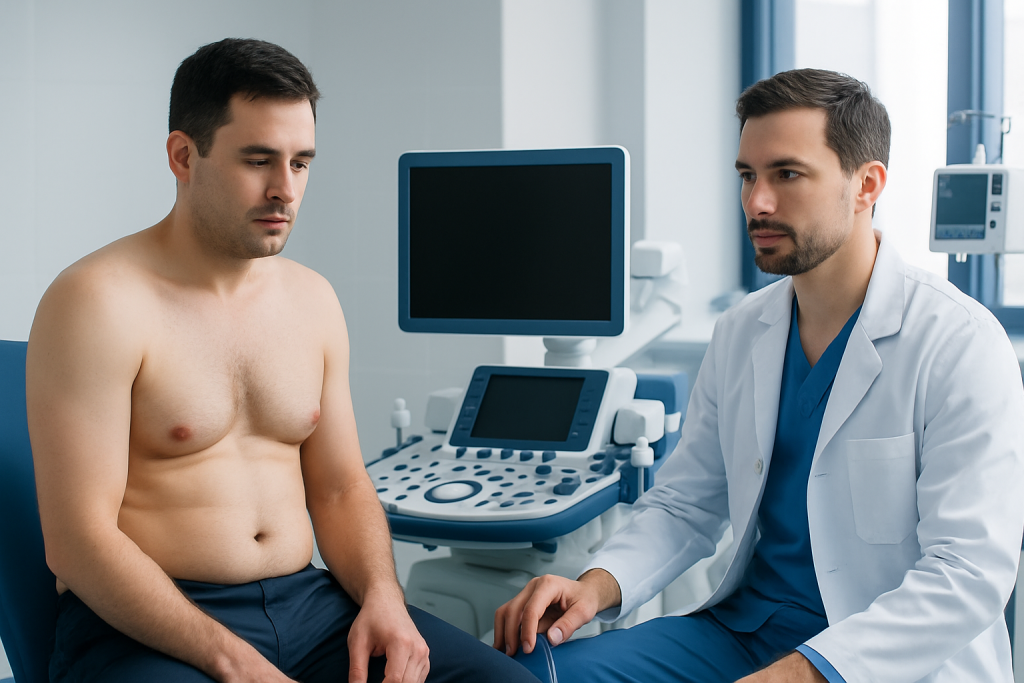
Gynecomastia often shows up as a noticeable puffiness or fullness under the nipple area. Some men describe a rounded chest outline that remains even when they lose weight or exercise regularly. The tissue may be on one side or both sides, and the appearance can be mild or quite pronounced.
There may also be tenderness, pressure, or sensitivity around the nipple, especially when the breast tissue is actively changing. In some people, the area feels firmer than surrounding fat. Clothing fit, swimming, and workouts can become sources of frustration rather than routine activities.
- Visible enlargement behind the nipple or areola
- Soft, fatty fullness, firm glandular tissue, or both
- Possible tenderness or mild pain
- Asymmetry between the two sides
- Emotional discomfort or self-consciousness
Because chest enlargement can sometimes reflect another medical issue, symptoms should be reviewed rather than self-diagnosed. Not every enlarged chest is true gynecomastia, and the treatment approach depends on the cause.
Causes & Risk Factors

Gynecomastia most commonly develops when the balance between estrogen and testosterone shifts in a way that favors breast tissue growth. This can happen during puberty, later in life, or as a side effect of other health changes. Some cases settle on their own, while others persist and become stable enough to consider surgery.
Weight gain can add fatty tissue to the chest, making fullness more obvious. Certain medications, alcohol use, anabolic steroid use, and some medical conditions affecting the liver, thyroid, testes, or hormones can also contribute. In many patients, more than one factor is involved.
The main practical question for surgery is not only why gynecomastia happened, but what tissue remains now. A chest that is mostly fat often responds to liposuction, while a chest with a firm gland under the nipple usually needs direct removal. When both are present, combining methods often gives the most natural contour.
- Pubertal hormonal shifts
- Age-related hormone changes
- Excess body fat
- Medication or substance effects
- Endocrine, liver, thyroid, or testicular conditions
Diagnosis
Diagnosis begins with a detailed history and a physical examination. A clinician looks at where the fullness sits, whether the tissue feels soft or firm, whether one or both sides are involved, and whether there are signs that point to a hormonal or medical cause. The goal is to tell true gynecomastia apart from pseudogynecomastia, which is mainly fat.
Depending on the findings, the doctor may recommend blood tests, hormone testing, or imaging studies. These tests are not always needed for every person, but they can be useful when the pattern is unusual, recent, painful, or associated with other symptoms. Review of medications and supplements is also important.
For someone considering surgery, diagnosis is more than naming the condition. It is the planning stage that answers a practical question: is the chest fullness best corrected by gland removal, liposuction, or both? A surgeon’s physical exam is often the most important guide for that decision.
Treatment Options
Gynecomastia treatment is individualized because the visible enlargement may come from different tissues. Liposuction is best suited for excess fatty tissue and can reshape the chest by removing volume through small incisions. It is less effective when a dense gland sits directly beneath the nipple.
Gland removal, sometimes called excision, is used when firm breast tissue is the main cause of the enlargement. The surgeon removes the gland through a small incision, often placed around the areola where the scar can be discreet. This approach is especially useful when the breast tissue is rubbery, fibrous, or resistant to liposuction alone.
Many patients need a combined operation. Liposuction can smooth the surrounding chest and blend the contour, while excision removes the central gland that liposuction cannot fully address. This combination is common when the chest has both fatty fullness and a defined glandular mound.
The surgical plan also depends on skin quality, nipple position, and how long the gynecomastia has been present. If there is significant loose skin, the surgeon may discuss additional contouring steps. The aim is a result that looks proportionate rather than hollowed out or overcorrected.
- Liposuction: best for fatty chest fullness
- Gland removal: best for firm breast tissue under the nipple
- Combined surgery: often the most balanced option when both tissues are present
- Skin adjustment: considered when laxity affects the final contour
Prevention & Self-care
Not every case of gynecomastia can be prevented, especially when puberty or natural hormone changes are involved. Still, a few habits can reduce the chance of chest enlargement getting worse or becoming harder to manage. Maintaining a stable weight is helpful because extra fat can amplify the appearance of the chest.
It is also sensible to review medications and supplements with a qualified clinician, particularly if chest changes begin after starting a new drug or fitness product. Anabolic steroids, unregulated supplements, and excessive alcohol use can all complicate the picture. Stopping or changing a medication should never be done without medical guidance.
For people recovering from surgery, self-care is focused on healing well. Wearing the recommended compression garment, avoiding strenuous upper-body activity until cleared, and attending follow-up visits all support a smoother recovery. International patients should plan enough time nearby for postoperative assessment before flying home.
- Keep body weight as steady as possible
- Do not start or stop medicines without guidance
- Avoid steroid misuse and unregulated supplements
- Follow postoperative compression and activity instructions
- Schedule follow-up before long-distance travel
Recovery and Follow-up
Recovery depends on whether the operation involved liposuction, gland removal, or both. Mild swelling, bruising, tightness, and temporary numbness are common early on. These changes usually improve gradually, but the chest may continue to refine for weeks to months as the tissue settles.
Patients are usually advised to wear a compression garment for a period after surgery to help control swelling and support the new contour. Light daily activity is often possible relatively soon, but exercise, lifting, and chest training are usually delayed until the surgeon confirms healing is adequate.
Follow-up visits are important because they allow the surgeon to check symmetry, incision healing, fluid collection, and the way the chest is responding as swelling fades. For someone traveling from abroad, the schedule should be planned so that key checks happen before departure, with clear instructions for remote follow-up if needed.
When to See a Doctor
Medical evaluation is appropriate whenever chest enlargement is new, rapidly changing, painful, or associated with nipple discharge, a hard mass, or other concerning symptoms. Even when the issue seems cosmetic, a clinician can help confirm that the cause is gynecomastia and not another condition.
A surgical consultation is useful when the enlargement has been stable for a while, does not improve with weight management, or is affecting confidence and daily comfort. The best time to discuss surgery is when the tissue pattern has been clearly assessed and the patient understands which technique is likely to help most.
People planning treatment abroad should choose a center that offers coordinated evaluation, surgery, and postoperative support. At Acibadem Health Point, multidisciplinary specialists and JCI-accredited hospitals diagnose and treat gynecomastia for international patients with an approach that emphasizes clear planning and follow-up.
Prompt review is especially important if there is a one-sided lump, skin changes, significant pain, or systemic symptoms. Those findings deserve medical attention even if surgery is being considered later for cosmetic reasons.
Frequently asked questions
How does a surgeon decide between liposuction and gland removal for gynecomastia?
The decision is usually based on what tissue is causing the enlargement. Liposuction is better for fatty fullness, while gland removal is needed for firm tissue behind the nipple. Many patients benefit from both methods in the same operation.
Can gynecomastia go away without surgery?
Sometimes it can, especially during puberty or when a reversible cause is identified early. If the enlargement has been present for a long time or contains firm gland tissue, it is less likely to disappear on its own. A medical evaluation helps clarify the most appropriate path.
Is gynecomastia surgery only cosmetic?
It is often chosen for appearance and comfort, but the evaluation is medical as well. Doctors may check for hormone changes, medication effects, or other conditions that could be contributing. That makes the workup more than a simple aesthetic consultation.
Will surgery leave a scar?
Any surgery can leave a scar, but surgeons usually place incisions where they are less noticeable, such as around the areola or in small hidden sites for liposuction. Scar visibility also depends on individual healing and aftercare. The surgeon can explain what is realistic before the procedure.
How long does recovery usually take?
Recovery is gradual and depends on the technique used and the extent of tissue removed. Many people return to light activity relatively soon, but exercise and chest training are usually delayed until cleared by the surgeon. Swelling can take time to fully settle.
Can gynecomastia come back after surgery?
It can recur if the underlying cause is not addressed, such as ongoing hormone imbalance, weight gain, or certain medication exposures. The risk is lower when the original cause is identified and managed. Follow-up care helps monitor the chest over time.
References
- American Society of Plastic Surgeons
- Mayo Clinic
- Cleveland Clinic
- National Health Service (NHS)
- Merck Manual Professional Edition
This article is for general information only and is not a substitute for professional medical advice. Please consult a qualified doctor about your individual situation.
More from the Health Library



Related Specialists

Dr. Serkan Tokgönül
Aesthetic Plastic & Reconstructive Surgery
Dr. Ömercan Yağız Öksüz
Aesthetic Plastic & Reconstructive Surgery
Prof. Dr. Mehmet Veli Karaaltın
Aesthetic Plastic & Reconstructive Surgery
Dr. Nezail Demirciler
Plastic, Reconstructive and Aesthetic Surgery